


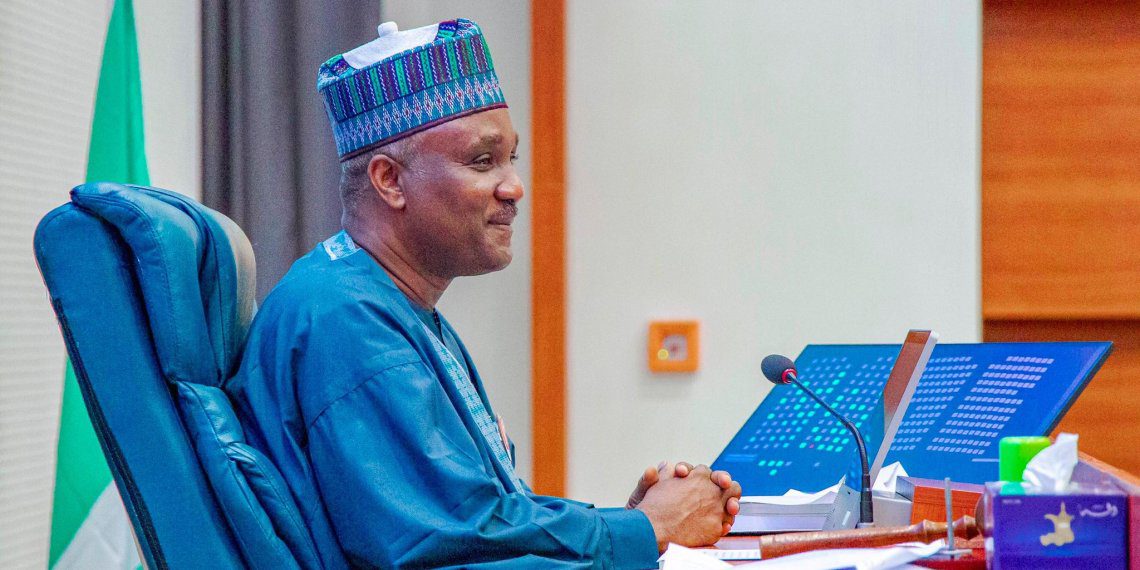
Speaker of Nigeria’s House of Representatives, Rep. Tajudeen Abbas, has called for a stronger framework for parliamentary diplomacy between Nigeria and Cuba to translate historic ties into measurable gains in health, education, trade, and culture.
Receiving a Cuban delegation led by Hon. Fernando González Llort, President of the Cuban Institute of Friendship with the Peoples (ICAP) and national hero of Cuba, Abbas—represented by Deputy Speaker Rt. Hon. Benjamin Okezie Kalu, PhD, CFR—stressed that collaboration must go beyond goodwill to “tangible outputs” such as signed MOUs, ratified agreements, and funded programmes.
“Nigeria’s foreign policy, anchored on African solidarity and South-South cooperation, prioritises partnerships that promote peace, development, and shared prosperity,” Abbas said. “The 10th Assembly is committed to laws that strengthen economic cooperation, cultural exchange, and global dialogue.”
He praised Cuba’s legacy of parliamentary solidarity and urged both countries to convert cultural ties into economic opportunities.
“Bilateral trade between our countries is minimal—just US $2,380 in imports from Cuba in 2024, according to UN Comtrade. Yet our shared heritage in music, sports, and literature is rich. Let us transform this affinity into opportunities for artisans, agri-entrepreneurs, and creative industries,” he said.
Abbas pointed to Cuba’s medical diplomacy, including its “Henry Reeve” brigades of over 1,200 doctors deployed across 21 missions, as a model for joint health programmes. He called for co-developed vaccines, technology transfers, and pilot manufacturing to boost Nigeria’s health sector while creating jobs.
“Cuba’s biotech breakthroughs, including the Abdala COVID-19 vaccine, show what is possible. Partnerships in research and vaccine production can protect public health and advance Africa’s self-sufficiency,” he noted.
Describing the potential partnership as “true reciprocity”, Abbas said Nigeria’s large market and resources complement Cuba’s expertise in health, biotechnology, and education:
“From energy and agriculture to pharmaceuticals, tourism, and culture, the opportunities are diverse and compelling. This is a balanced exchange—Cuba brings tested knowledge, Nigeria offers scale and leadership.”
He urged that the visit signal the start of concrete frameworks between Nigeria’s National Assembly and Cuba’s National Assembly, ensuring agreements on technology transfer, intellectual property protection, and local value creation that can deliver “jobs, clinics, and stronger universities.”
Cuban Ambassador Miriam Morales Palmer and Fernando González Llort commended Nigeria–Cuba relations and reaffirmed Havana’s commitment to deepen cooperation. Llort extended an invitation to the Deputy Speaker to visit Cuba to continue discussions on parliamentary diplomacy and shared priorities.
The Abuja meeting signals a renewed drive to transform Nigeria–Cuba ties from symbolic friendship into structured partnerships capable of delivering direct benefits to citizens in both nations.
