


Baba Yunus Muhammad
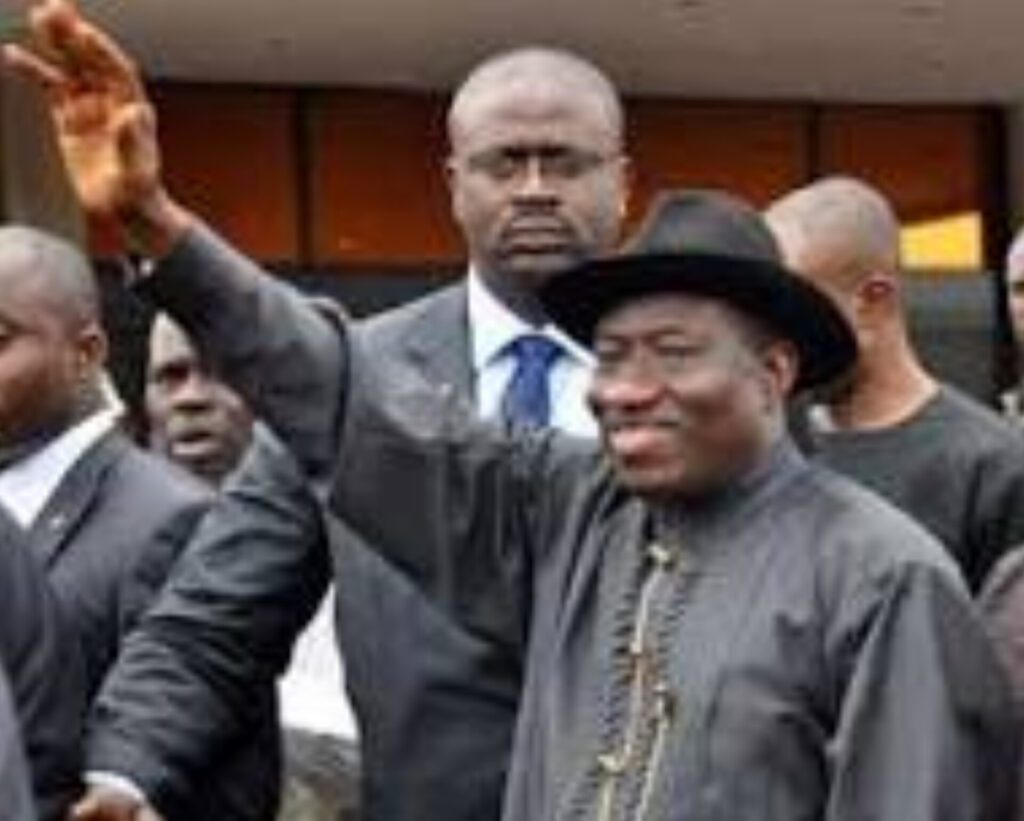
Attending John Mahama’s inauguration as the 6th President of Ghana under the 4th republic in Ghana on January 7th, 2025, was a momentous occasion, filled with grandeur and reflection. As dignitaries from across Africa and beyond celebrated Mahama’s emphatic return to the presidency, my eyes caught sight of a familiar figure – Dr. Goodluck Ebele Jonathan, former President of the Federal Republic of Nigeria. The sight of Nigeria’s former president sparked a wave of thoughts, an idea brewing as I observed the ceremony unfold: could this be the season of the return of first-term presidents?
Donald Trump defied the odds in the United States, storming back to secure his second term after an emphatic victory. Now, John Mahama has done the same in Ghana, with an equally resounding mandate. Watching Jonathan in that hall, my mind couldn’t help but wander to Nigeria’s current state and the growing sentiment that the nation’s finest moments in recent memory were under his leadership.
Jonathan’s Golden Era


Dr. Goodluck Jonathan’s presidency (2010–2015) is remembered by many Nigerians as a time of stability, economic growth, and inclusive governance. His administration championed a vision of progress for all Nigerians, leaving behind a legacy that continues to inspire.
During Jonathan’s tenure, Nigeria experienced significant economic growth. In 2014, under his leadership, Nigeria’s economy became the largest in Africa after a rebasing exercise, with a GDP of $509.9 billion. The country recorded an average annual growth rate of 6–7%, driven by sectors like agriculture, telecommunications, and services.
Inflation during his administration hovered around 8–9%, compared to the double-digit rates seen in recent years. Furthermore, Jonathan prioritized fiscal responsibility, with external reserves averaging $35–40 billion, providing a cushion against global economic shocks.
In contrast, the current administration has struggled to achieve similar economic stability. Inflation rates have soared to over 34.80 percent, with food inflation currently at 39.84%. unemployment remains alarmingly high at 33%, and the national debt has ballooned to $103.1 billion as of 2024. These figures paint a stark picture of the economic decline that has occurred since Jonathan left office.
The Education Sector: A Holistic Review
Education was a cornerstone of Jonathan’s administration, as he sought to address long-standing challenges in access, quality, and infrastructure. While the Almajiri school system remains one of his most notable achievements, his contributions to the sector extended far beyond this initiative.
Jonathan’s administration implemented policies to expand access to education across Nigeria. He established 12 new federal universities to increase opportunities for tertiary education, particularly in underserved regions. This move was instrumental in addressing regional disparities and ensuring that students in remote areas had access to higher learning institutions.
In the area of basic education, the Jonathan administration launched initiatives to improve teacher training and enhance learning environments. Investments were made to rehabilitate schools, provide modern teaching aids, and ensure that children in rural communities had access to quality education.
Furthermore, Jonathan’s administration prioritized girl-child education, particularly in northern Nigeria, where cultural and socio-economic factors often hindered school attendance. The “Safe Schools Initiative,” introduced during his tenure, aimed to create secure learning environments, particularly in areas affected by insurgency. This initiative underscored his commitment to ensuring that education was a tool for empowerment and national development.
Recognizing the educational crisis in northern Nigeria, Jonathan spearheaded a groundbreaking initiative to modernize the Almajiri system. Historically, the system provided Islamic education to children, but its infrastructure and curriculum had failed to keep pace with modern standards, leaving many students ill-equipped for contemporary challenges.
To address this, Jonathan’s administration established 157 Almajiri schools across northern Nigeria. These schools integrated modern subjects like mathematics, English, and science with Qur’anic education, ensuring students received a well-rounded education. Each facility was equipped with hostels, libraries, and laboratories, marking a significant investment in the region’s human capital. Despite its promise, the program faced challenges such as insufficient funding and resistance from some local stakeholders. Revisiting and refining this initiative could be key to addressing the region’s educational challenges sustainably.
Agricultural Transformation
Jonathan’s Agricultural Transformation Agenda (ATA) was a cornerstone of his presidency. The initiative sought to reduce food imports, boost local production, and empower smallholder farmers. Programs like the e-wallet system revolutionized fertilizer distribution, ensuring transparency and efficiency. Farmers across Nigeria, from the southern rainforests to the northern savannas, benefited immensely, witnessing increased yields and improved livelihoods of Jonathan’s Agricultural Transformation Agenda (ATA). This initiative aimed to reduce Nigeria’s dependence on food imports, boost local production, and create jobs.
Under the ATA, the Jonathan administration introduced the e-wallet system for fertilizer distribution, which directly connected farmers to subsidized inputs via mobile phones. This innovation significantly reduced corruption and ensured that resources reached those who needed them most. Northern farmers, who formed a significant portion of the beneficiaries, saw increased yields in staple crops like rice, maize, and sorghum.
Additionally, the program promoted livestock farming, a critical economic activity in the North, by improving veterinary services and introducing modern ranching techniques. These efforts not only boosted food security but also empowered millions of smallholder farmers.
Youth Empowerment
Jonathan’s administration recognized the potential of Nigeria’s youth and launched programs to harness their talents and energy. Initiatives like the Youth Enterprise with Innovation in Nigeria (YouWin) and the Sure-P Graduate Internship Scheme provided funding, mentorship, and job opportunities to young Nigerians, including many in the North.
By equipping young people with the skills and resources needed to thrive, these programs helped address the country’s high youth unemployment and laid the foundation for a more inclusive economy.
Insecurity and Social Stability
Jonathan’s administration also worked to address Nigeria’s growing insecurity. While Boko Haram posed a significant challenge, his government’s efforts to reclaim territory and provide humanitarian assistance to affected communities were widely acknowledged. Under his leadership, Nigeria sought regional cooperation to tackle terrorism, setting the stage for more robust security frameworks.
Democratic Values
Perhaps one of Jonathan’s most enduring legacies was his unwavering commitment to democracy. His peaceful concession after the 2015 elections remains a historic moment in Nigeria’s political history, setting a benchmark for democratic transitions across the continent. His famous words, “My ambition is not worth the blood of any Nigerian,” continue to resonate as a testament to his statesmanship.
The Need for Renewal
While his previous administration faced its fair share of criticisms, history now positions him as a leader whose tenure was marked by significant achievements and a genuine commitment to national development. The successes of Trump and Mahama in securing second terms demonstrate that with the right message and leadership, political comebacks are not only possible but can serve as turning points for nations in need of renewal.
Charting a Path Forward
A return to leadership for Jonathan would require building on his legacy while addressing areas that need improvement. Programs initiated during his tenure, particularly in education and agriculture, must be revitalized and scaled up to meet Nigeria’s current challenges. National cohesion, inclusive governance, and a renewed focus on empowering marginalized communities will be crucial.
Moreover, Jonathan’s candidacy in 2027 could help solidify the unwritten arrangement of power rotation between the North and the South, ensuring equity and reinforcing national stability. With Tinubu as the likely standard-bearer from the South, Jonathan’s presence on the ballot would provide a compelling alternative while fostering the sense that the South has equal stakes in Nigeria’s governance.
A National Call for Renewal
As Nigeria faces one of its most challenging periods in recent history, the longing for a leader with a proven track record has grown louder. Goodluck Jonathan’s tenure, characterized by economic growth, innovative policies, and democratic values, offers a stark contrast to the current state of affairs.
For many Nigerians, Jonathan represents not just a return to better times but a chance to chart a new course for the nation—a path of unity, prosperity, and hope.