


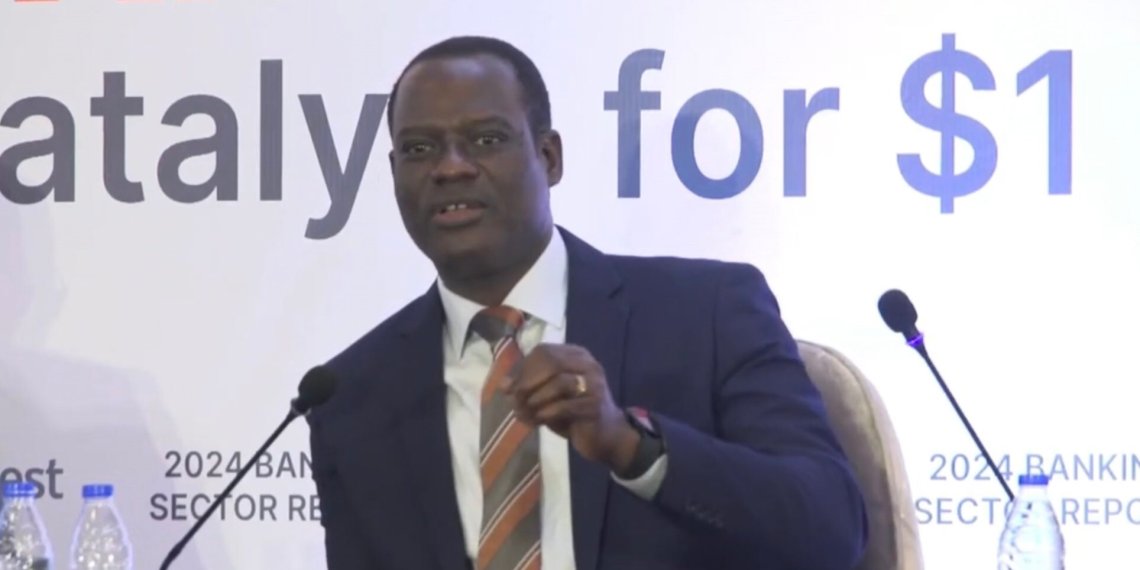
In a pivotal presentation to the Nigerian Senate, Chairman of the Presidential Fiscal Policy and Tax Reforms Committee, Taiwo Oyedele, has laid out the committee’s findings and recommendations to overhaul the country’s tax system.
Established to address Nigeria’s persistent economic challenges, the committee’s proposals aim to tackle issues such as high poverty rates, a sluggish economy, and an unsustainable reliance on public debt.
Oyedele highlighted the alarming statistic that 133 million Nigerians currently live in multidimensional poverty, facing limited access to education, healthcare, and stable employment.
He said, the country’s economic growth rate has been consistently outpaced by its population growth, exacerbating the poverty crisis.

Explaining further, he indicated that the Nigeria’s economic landscape is also marred by high inflation, declining foreign direct investment, and an unfriendly business environment.
“With government revenue falling short of budgetary needs, Nigeria has increasingly turned to borrowing, leaving the country in a precarious fiscal position.
“Tax collection has been inefficient, with many Nigerians expressing distrust in the government’s ability to fairly collect and use taxes.”
In response, he said the committee held extensive consultations with state governors, private sector leaders, and civil society groups, all of whom voiced their concerns about the current tax system.
The committee’s findings revealed a widespread dissatisfaction with the tax structure and a lack of faith in the government’s ability to implement meaningful reforms.
To address these issues, the committee has proposed four key legislative bills designed to streamline and improve Nigeria’s tax system
The first is the Nigeria Tax Bill, the comprehensive bill he said is aimed at consolidating existing taxes into one framework, simplifying tax processes, and offering exemptions for low-income earners.
The Tax Administration Bill: This bill focuses on standardizing tax administration, promoting the use of technology in collection, and improving the efficiency of tax processes.
The Nigerian Revenue Service Establishment Bill: Proposes the creation of a new, more coordinated revenue service to enhance tax collection and reduce duplication of efforts by various agencies.
The Joint Revenue Board Establishment Bill: Aimed at fostering collaboration between different tax authorities, this bill also introduces the establishment of a Tax Ombudsman to protect small businesses from unfair tax practices.
Explaining further Oyedele said among the key reforms are the removal of minimum tax requirements for loss-making companies, the introduction of a 15% effective tax rate on profits for large corporations, and the removal of VAT on essential goods and services.
Additionally, the proposal includes raising the income tax thresholds to exclude low-income earners from taxation, thus alleviating the financial burden on the poorest Nigerians.
The committee also called for a revision of the VAT revenue-sharing formula, which currently favors states with large corporate headquarters, proposing a fairer distribution based on consumption within each state.
In concluding his presentation, Oyedele emphasized the urgent need for tax reforms to stimulate economic growth and reduce poverty.
He urged the Senate to support the proposed bills, which, if enacted, could foster a more business-friendly environment and strengthen Nigeria’s economic foundations.
As Nigeria faces mounting fiscal pressures, these proposed tax reforms represent a crucial step in ensuring a more equitable and sustainable economic future.
