


The Federal Ministry of Education in Nigeria has firmly dismissed alarming reports suggesting the existence of over 100 fake professors and the identification of 2,000 universities by the National Universities Commission (NUC).
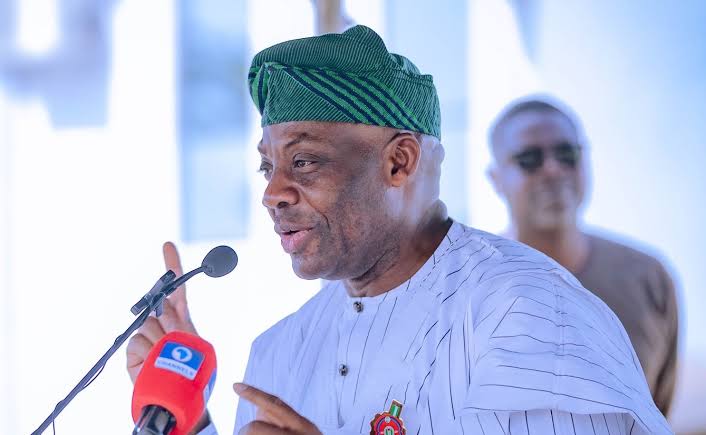
Minister of Education Dr. Maruf Tunji Alausa labeled these claims as “recycled misinformation,” emphasizing their potential to mislead the public and tarnish the nation’s higher education system.
The uproar began after unverified claims circulated widely on social media, provoking public concern over the integrity of Nigeria’s academic institutions.
Responding to this misinformation, Alausa clarified that the NUC had never published or validated any list of purported fake professors.
He stated that the organization had also never recognized the figure of 2,000 universities in Nigeria, a number that raised eyebrows due to its improbability in a sector known for ongoing challenges.
The minister cited a 2019 media report concerning NUC’s verification of full professors, reiterating that the names circulated in the recent claims were unfounded and completely disowned by the Commission.
“This distortion is a calculated attempt to undermine public confidence in our universities at a time when we are working hard to strengthen the education sector,” Alausa asserted.


The ministry expressed deep concern over how these false reports could significantly impact Nigeria’s educational reputation, especially with ongoing efforts to enhance quality assurance in universities.
The dissemination of such misinformation, they argued, could deter prospective students and researchers, further destabilizing the educational landscape.
In response to the viral claims’ persistence, the Ministry of Education urged the public and media consumers to exercise caution, stressing the importance of verifying educational facts through official NUC channels.
They called for a collective effort to uphold academic integrity, stating, “We remain committed to safeguarding the credibility and global reputation of Nigeria’s university education system.”
This incident reflects a broader issue regarding the impact of misinformation on vital public sectors.
As Nigeria continues to confront challenges in its educational framework, the ministry’s efforts to combat false narratives are crucial for restoring trust and ensuring a sustainable academic environment.
The next steps involve reinforcing public education on legitimate academic practices while actively addressing misinformation in digital spaces.