
***Links local industrialisation to jobs, human dignity, fairer global trade
Senator Neda Bernards Imasuen has called for a shift from Nigeria’s dependence on exporting raw materials to building industries that create jobs, retain wealth and improve living standards, warning that economic growth means little when producing communities fail to enjoy its benefits.
Imasuen argued that the structure of international trade should be examined not only in terms of commercial transactions but also through its impact on human dignity, economic opportunity and the distribution of wealth between nations.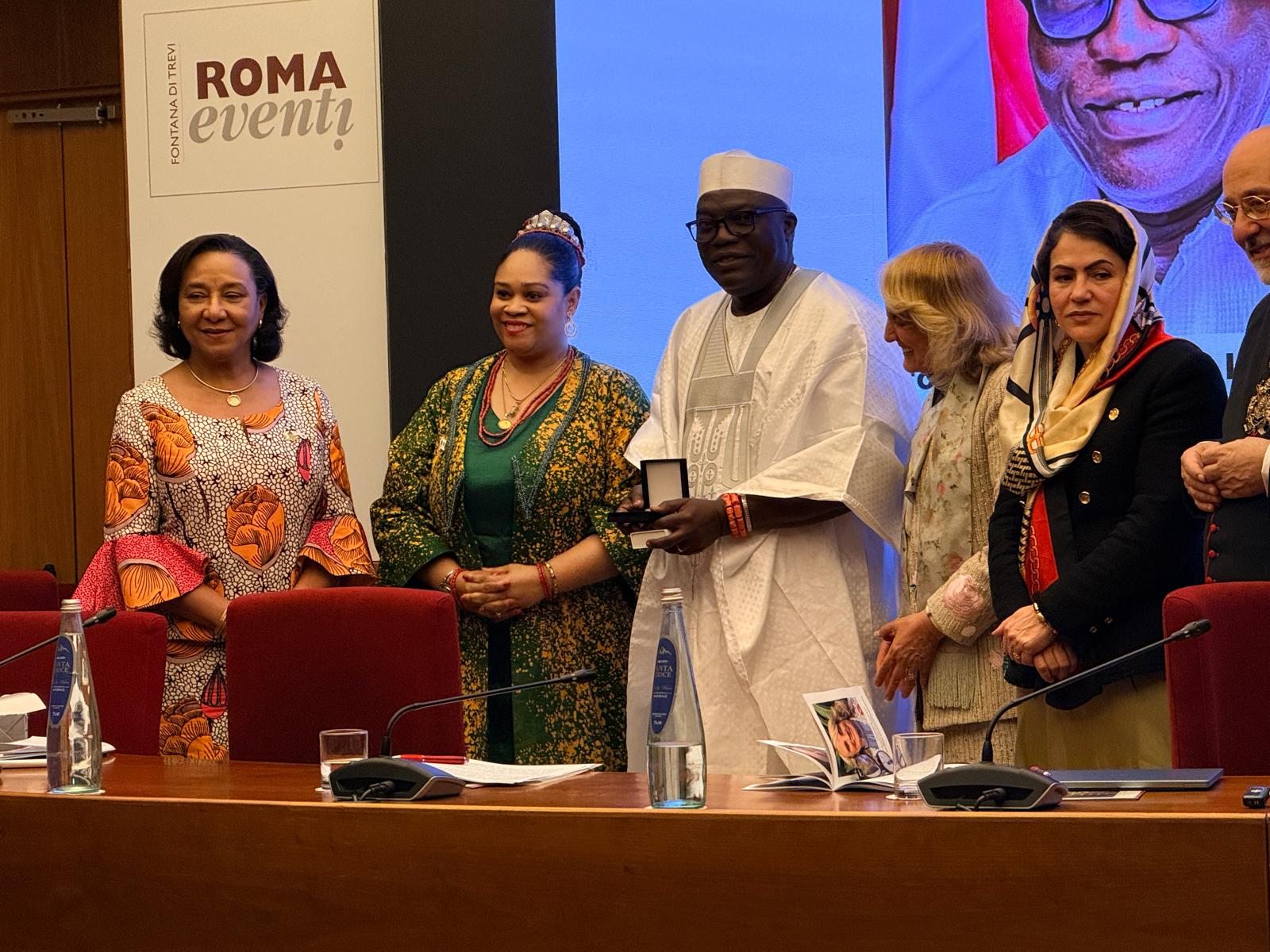
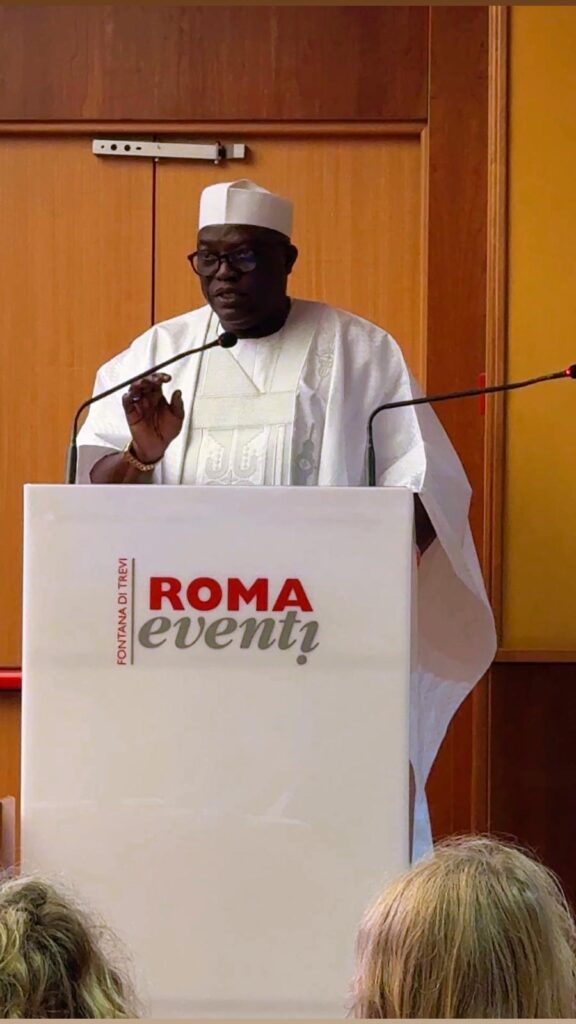
The Edo South senator made the argument while addressing the Golden Rule Summit in Rome, Italy, held from October 19 to 22, 2026, where he challenged world leaders to apply fairness and reciprocity to global economic relations.
Using Nigeria’s cocoa industry as an example, he questioned why the country exports cocoa beans but imports finished products, including chocolate, at significantly higher prices.
For him, the imbalance raises a fundamental economic question: why should countries blessed with natural resources remain largely at the lower end of the value chain while other economies capture much of the value through processing, manufacturing and branding?
“How would the benefits of this economic relationship be shared more equitably if a chocolate factory were established in Osun or Edo State?” he asked.
The senator said expanding local processing would create opportunities for employment, stimulate businesses and enable producing communities to benefit more directly from their resources.
He linked the issue to Nigeria’s wider development challenges, arguing that limited economic opportunities can contribute to unemployment, irregular migration and vulnerability to human trafficking.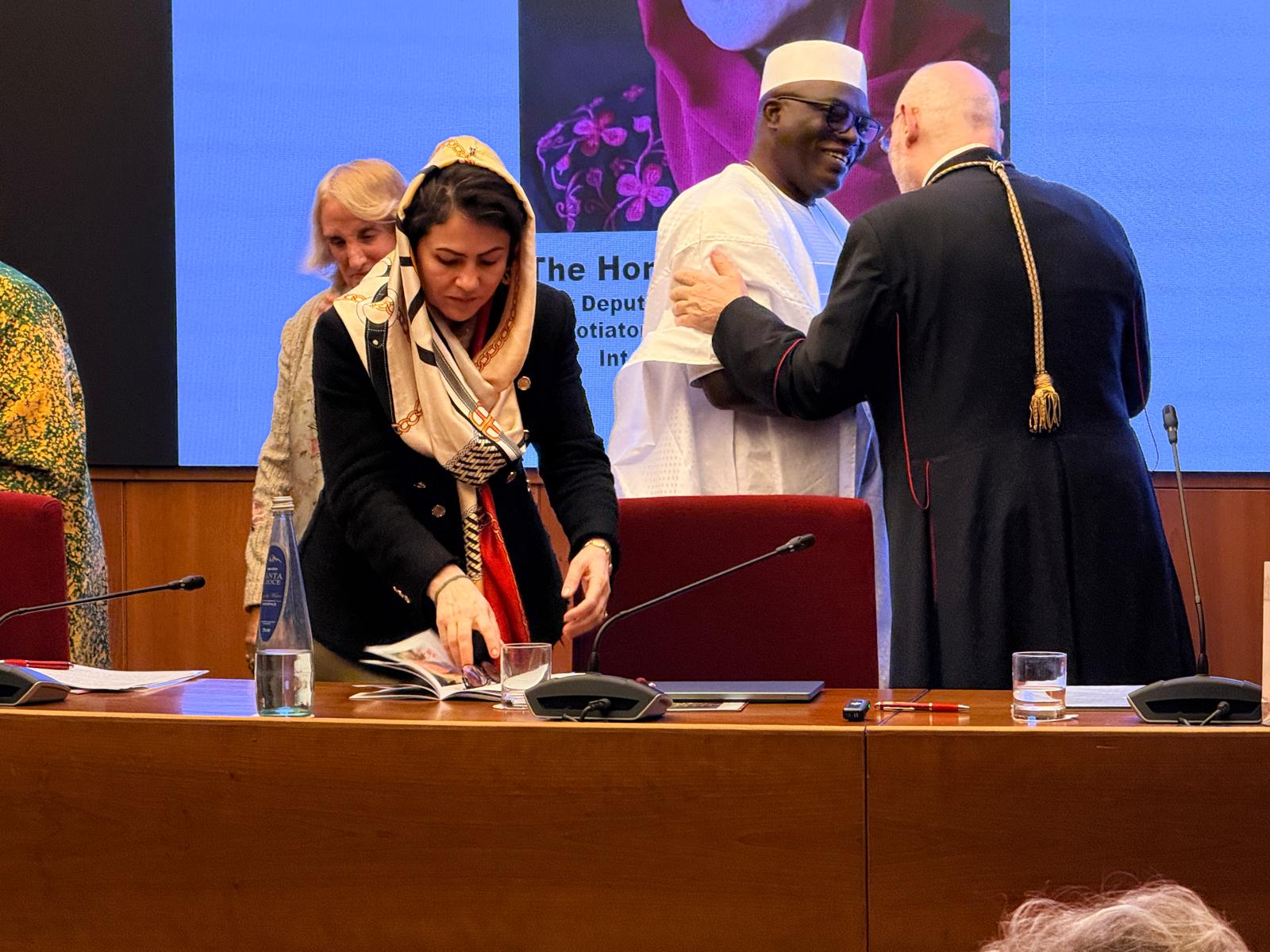
His argument was not that international trade alone explains Nigeria’s economic difficulties. Rather, he urged a broader assessment of how domestic policy choices and global commercial arrangements shape the opportunities available to ordinary citizens.
Imasuen’s address placed industrialisation at the centre of the debate over economic justice.
Countries that process raw materials locally can potentially retain more value, develop technical expertise, support related businesses and create jobs across production and distribution chains.
For Nigeria, that means looking beyond the volume of commodities exported and asking how much employment, industrial capacity and local investment those exports generate.
Imasuen also stressed that national leaders must take responsibility for domestic economic challenges instead of attributing them entirely to international trade arrangements.
He cited Nigeria’s student loan scheme and tax reforms as examples of policies intended to widen access to education and support eligible businesses, particularly small and medium-sized enterprises.
He also referenced the Dangote Refinery as an example of domestic industrial investment, linking local productive capacity to the broader objective of reducing dependence on imported finished goods.
According to the senator, sustained cooperation between government and the private sector is necessary to expand production, strengthen businesses and create more opportunities for Nigerians.
Imasuen extended his argument beyond manufacturing, insisting that economic decisions must be judged by their consequences for human welfare.
He said unemployment and limited opportunities can expose vulnerable people to exploitation, making skills development and job creation important components of efforts to address illegal migration and human trafficking.
Drawing on Rotary International’s Four-Way Test, he urged governments and individuals to assess decisions by asking whether they are truthful, fair to all concerned, capable of building goodwill and beneficial to those affected.
He argued that these principles should guide relationships between citizens and governments just as they should shape dealings between nations.
The senator, who chairs the Senate Committee on Ethics, Code of Conduct and Public Petitions, challenged world leaders to reconsider economic arrangements that leave some countries with limited benefits despite their natural wealth.
“If we would not accept inequality for our own communities, why should we accept it as an enduring feature of the global economic order?” he asked.
His central message was that economic progress should not be measured solely by trade figures or investment announcements, but by the jobs created, industries built and opportunities made available to citizens.
For Nigeria, the challenge is to turn resource wealth into productive capacity at home, ensuring that the value generated from its commodities translates more meaningfully into prosperity for its people.