

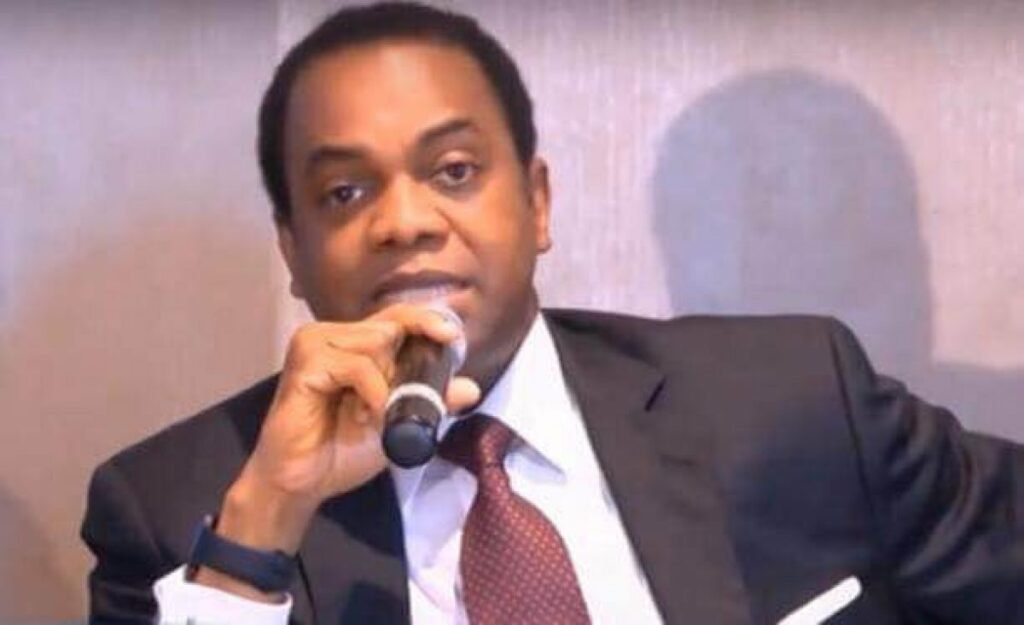

The presidential candidate of the Peoples Redemption Party (PRP), Donald Duke, has promised to reduce petrol prices to about N300 per litre if elected president in 2027, proposing that Nigeria allocate part of its daily crude oil production to domestic consumption.
Duke, a former governor of Cross River State, made the pledge during an interview on Channels Television’s *Morning Brief*, where he outlined his proposed approach to reducing the cost of petrol.
“I’ll try and bring it to about N300,” he said when asked how much Nigerians would pay for petrol under his administration.

Acknowledging that the proposal might appear unrealistic, Duke said his calculation was based on allocating crude oil to meet Nigeria’s domestic fuel needs while selling the surplus internationally.
“I’ve told you, it sounds so outlandish, but I’ve given you the arithmetic,” he said.
“Allocate 600,000 barrels, if that’s what you consume daily. Allocate that to yourself. The other one million, you can sell.”
Duke’s proposal comes amid continuing debate over the removal of petrol subsidy by President Bola Tinubu’s administration in 2023 and its effects on transportation costs, household spending and the prices of goods and services.
The policy triggered a sharp increase in petrol prices, with the higher cost of transportation and energy contributing to rising living expenses across the country.
Several political figures seeking the presidency in 2027 have offered differing approaches to addressing the consequences of subsidy removal.
Former Vice-President Atiku Abubakar, the presidential candidate of the African Democratic Congress (ADC), said in August that he would restore petrol subsidy if elected.
Atiku argued that the removal of the subsidy could have been justified if the savings had been transparently invested in development projects. He also questioned the government’s accountability for the funds reportedly saved.
Peter Obi, presidential candidate of the Nigeria Democratic Congress (NDC), has also advocated restoring the subsidy under certain conditions.
Speaking at the Nigerian Bar Association’s 2026 conference in Port Harcourt in September, Obi said his administration would tackle corruption before restoring the subsidy.
Although he had previously supported subsidy removal, Obi argued that the failure to properly manage its benefits under the current administration should not automatically rule out its restoration.
Duke’s N300-per-litre pledge introduces another proposal into the emerging debate over how presidential contenders would address fuel affordability and Nigeria’s energy policy.
However, the feasibility of the promised price would depend on several factors, including crude oil allocation, refining costs, exchange rates, distribution expenses and the pricing framework under which petroleum products would be sold.
Duke’s remarks have therefore placed the proposed allocation of domestic crude oil at the centre of his campaign promise, although further details would be needed to establish how the plan could consistently deliver petrol at the proposed price.