

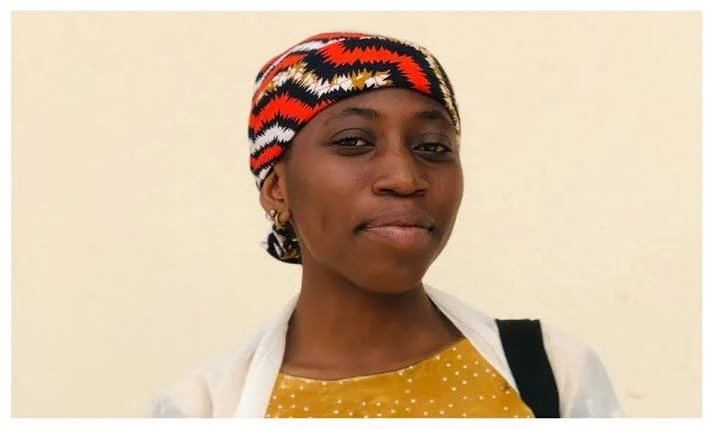

The Human Rights Writers Association of Nigeria (HURIWA) has demanded the immediate and unconditional release of 23-year-old Kaduna journalist Farida Isiak, reportedly sentenced to four years in prison or a ₦1.75 million fine over a Facebook post criticising police treatment of her parents.
The group said the case raises serious concerns about press freedom, police accountability and the alleged use of state power to silence criticism.
Isiak, a reporter with Nagarta Radio, was reportedly arrested on October 20 following a dispute involving her mother and a neighbour over ₦100 change from a charcoal sale, according to Amnesty International.


Amnesty alleged that police detained Isiak’s mother and later arrested her father when he went to seek her release, before compelling the journalist to report to the station.
The journalist was subsequently accused of defamation over a Facebook post criticising the officers’ conduct. Although she reportedly deleted the post and apologised, she remained in custody and was sentenced by a Sharia Court in Kawo to four years’ imprisonment or a ₦1.75 million fine.
HURIWA called for urgent judicial intervention to secure her release and a transparent investigation into the alleged detention of her parents and the conduct of the officers involved.
The association warned that if the allegations were substantiated, the case would raise troubling questions about possible retaliation against a journalist for exercising her right to criticise public officials.
It urged the Inspector-General of Police and the Kaduna State Police Command to investigate the incident and ensure that any officer found culpable faces appropriate disciplinary and legal action.
HURIWA stressed that journalists must be able to report alleged abuses without fear of arrest or intimidation, adding that the demand for Isiak’s release was a call for justice, not an attempt to undermine due process.
It warned that failure to address the allegations could further weaken public confidence in the police and the justice system.
The information provided by Amnesty International and HURIWA did not include a response from the police or the court to the allegations.