

The Nigerian Democratic Congress (NDC) has moved to contain a growing leadership crisis in its Adamawa chapter, following opposition by governorship candidate Aisha Binani and other party candidates to the appointment of former Secretary to the Government of the Federation, Babachir Lawal, as the party’s North-East leader.
The party’s National Chairman acknowledged the disagreements but assured that the national leadership would intervene to prevent the dispute from weakening its preparations for the 2027 general elections.
The crisis followed Lawal’s defection to the NDC in September and his subsequent appointment by the party’s National Leader, Senator Henry Seriake Dickson, to oversee its activities and campaigns across the North-East.
The appointment sparked resistance from six NDC governorship candidates in the region, including Binani, who argued that the decision was made without consulting them and other stakeholders who had helped build the party’s structures.
In Adamawa, the disagreement has escalated into a public confrontation, with candidates questioning Lawal’s leadership role and warning about the implications for the party’s electoral prospects.
The dispute also triggered a sharp exchange between Lawal and Binani, exposing divisions within the party ahead of the 2027 polls.
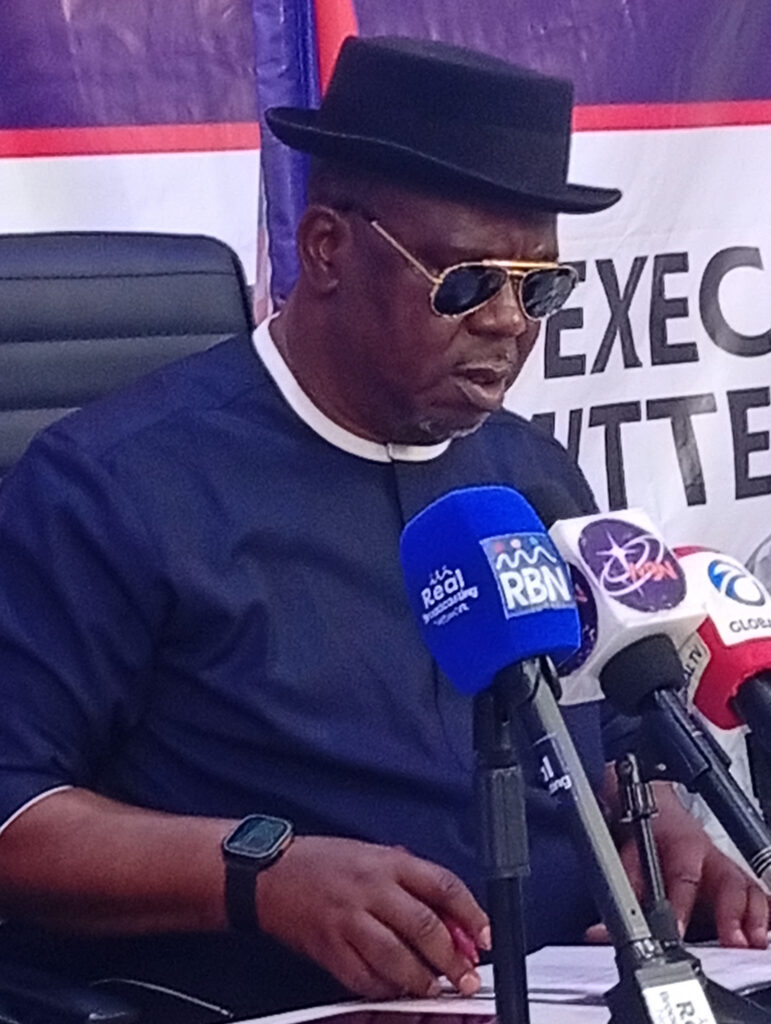
Speaking at a press conference, the NDC National Chairman admitted that tensions existed among influential stakeholders but said the party would not allow the disagreements to degenerate into a breakdown of unity.
“We cannot hide or lie that there are misconceptions, but you know they are political gladiators and they are in our party,” he said.
He said the national leadership was aware of the concerns involving Lawal and Binani and was working to reconcile the opposing camps.
“The party will not allow them to disintegrate because we need one another, and the party is not keeping a blind eye on it,” the chairman said.
He disclosed that the party’s National Vice-Chairman for the North-East had returned from consultations in the region and briefed him on the situation.
The chairman also promised to meet separately with Lawal and Binani to address their differences and prevent further escalation.
“I will have a meeting as national chairman with Babachir. I will have a meeting with Binani. All that we are doing is to ensure that all of us are simple for the sake of Nigeria,” he said.
Although he did not disclose the proposed terms of reconciliation, his remarks suggested that the party intended to resolve the dispute through dialogue rather than publicly taking sides.
The disagreement has raised questions about internal consultation and the process of assigning regional leadership, particularly as candidates seek to consolidate their positions ahead of the elections.
Lawal, a former founding member of the All Progressives Congress (APC), joined the NDC after leaving the African Democratic Congress (ADC), where he had protested the conduct of the presidential primary that produced former Vice-President Atiku Abubakar as its candidate.
When the NDC welcomed him, Dickson described Lawal as an experienced political mobiliser who would provide leadership, guidance and direction for candidates and campaign activities in the North-East.
However, the appointment drew opposition from six governorship candidates who said they had not been consulted before the decision was taken. They argued that regional leadership should reflect local political realities and the interests of those who had established the party’s structures in their states.
The dispute subsequently widened, with reports that 37 NDC candidates in Adamawa, including Binani, rejected Lawal’s appointment and called on the national leadership to reconsider it.
Lawal, in response, accused Binani of spearheading the opposition to his appointment and alleged that she was supporting Atiku rather than the NDC’s presidential ticket. The allegations were not independently established in the chairman’s remarks.
The NDC chairman declined to endorse either side, instead emphasising the need for cooperation among party leaders and candidates.
“There is nobody that any of us here cannot work with. We are very meek people. We can work with anybody, so far you are positive and committed to the goal and agenda that is set for us,” he said.
He added that the party leadership would intervene whenever disagreements threatened to distract members from their collective objectives.
Beyond the Adamawa crisis, the chairman said the NDC was working to strengthen its structures at polling-unit, ward, local government and state levels.
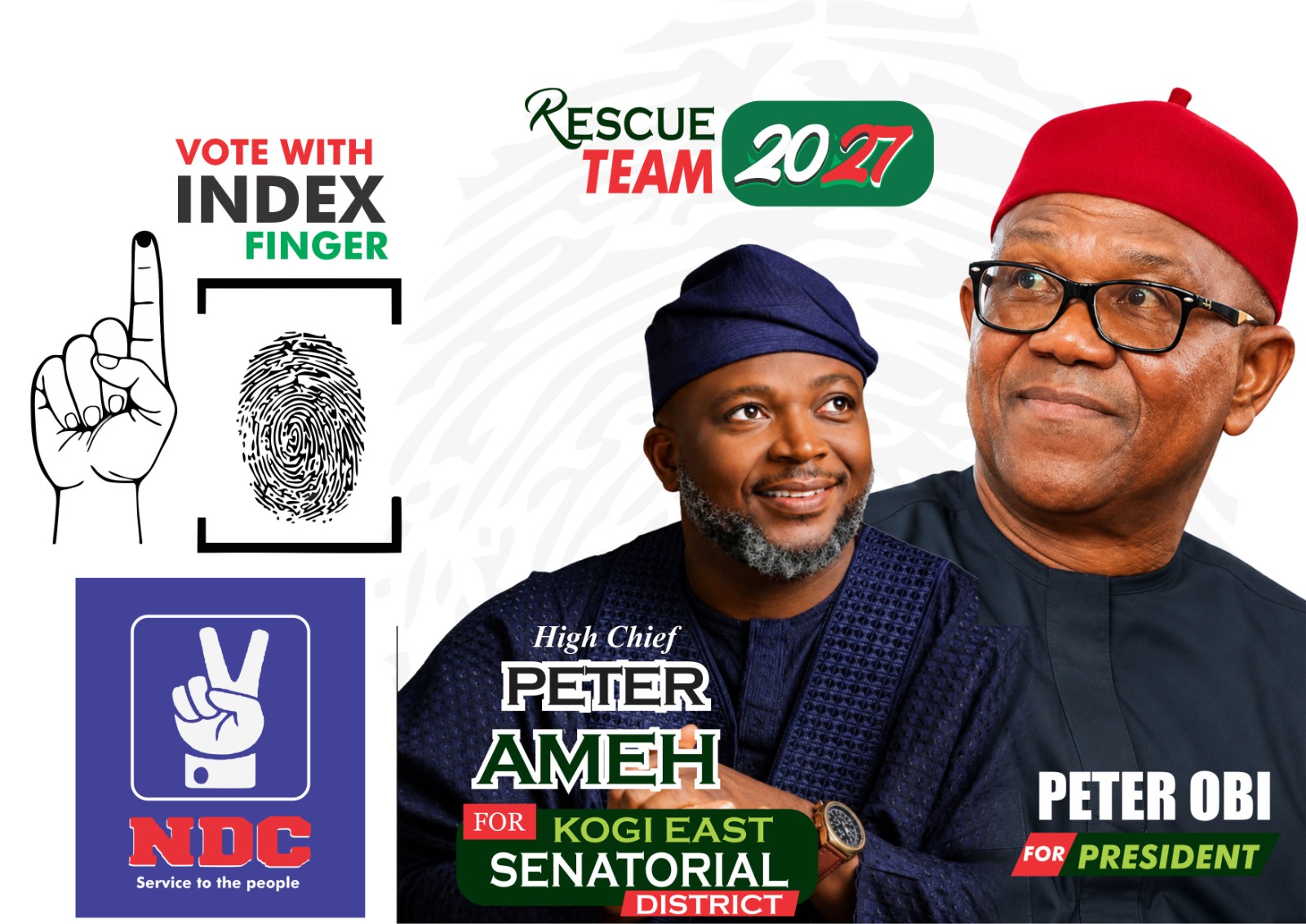
He acknowledged the need to improve awareness of the party’s logo among voters, noting that its recent appearance on INEC’s online portal offered an opportunity to intensify mobilisation ahead of the elections.
The party is also preparing to inaugurate its Presidential Campaign Council, with consultations ongoing with its presidential candidate, Peter Obi, his running mate, Senator Rabiu Musa Kwankwaso, and other party leaders.
For the NDC, however, the Adamawa dispute presents an early test of its ability to manage competing political interests without alienating candidates who feel excluded from key decisions.
The planned meetings between the national chairman, Lawal and Binani will be crucial in determining whether the party can bridge the divide before the campaign gathers momentum.
For now, the national leadership insists it is committed to reconciliation. Whether dialogue will be enough to settle the dispute and restore confidence among aggrieved candidates remains an open question.