

Stakeholders in Nigeria’s electoral process have warned that the credibility of the 2027 general elections could be undermined not only by what happens at polling units but also by artificial intelligence-generated falsehoods, weak institutions, unverified results and gaps in the electoral justice system.
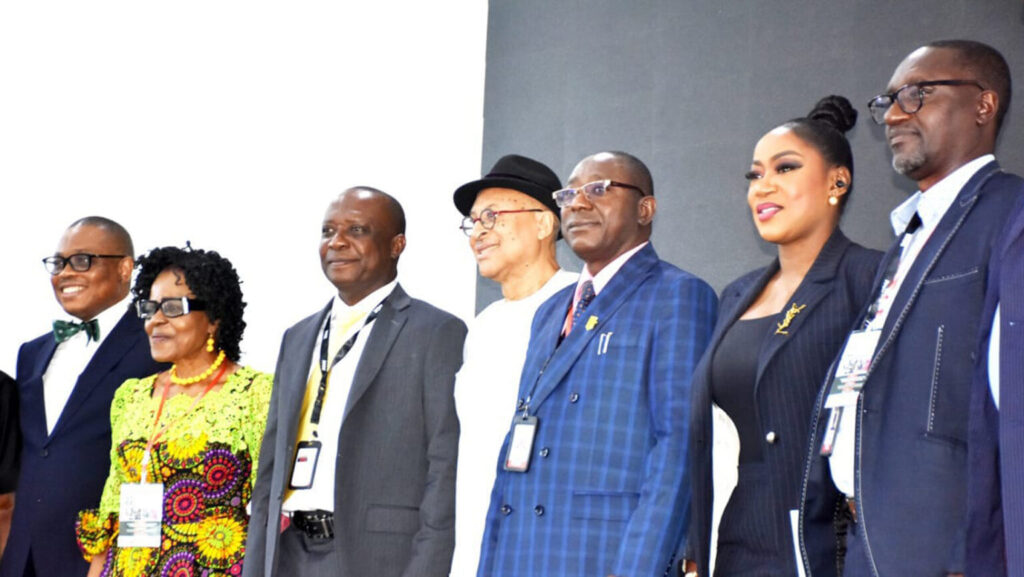
The warning was issued on Thursday at the 22nd All Nigeria Editors Conference organised by the Nigerian Guild of Editors in Enugu, where editors, politicians, lawyers and other stakeholders examined the challenges facing Nigeria’s democracy ahead of the 2027 elections.
The conference was held under the theme, “The Ballot, the Media and the Task of Keeping Democracy Alive,” with particular attention to the growing ability of artificial intelligence to create convincing fake audio, video, images and documents.
Vice President Kashim Shettima said the media had a critical responsibility to protect the integrity of the ballot by ensuring that citizens had access to credible information before making electoral choices.
Shettima, who described the media as the “fourth estate of the realm,” said journalists must continue to scrutinise those in power, inform citizens, shape public debate and preserve the country’s institutional memory.
He said the challenge had become more difficult because AI could now produce convincing falsehoods at unprecedented speed.
“The editor remains a crucial gatekeeper between information and manipulation,” he said.
Shettima also urged the media to scrutinise government while giving Nigerians a complete account of the administration’s activities.
Former Archbishop of Abuja, John Cardinal Onaiyekan, meanwhile, expressed concern over what he described as the declining quality of elections since 1999.
Onaiyekan said Nigeria appeared to be moving backwards rather than making progress in the conduct of elections, adding that Nigerians would be looking to the Independent National Electoral Commission to improve the situation in 2027.
He said the purpose of elections was to ensure that the will of voters was accurately established, stressing that the people who cast the votes must remain at the centre of the electoral process.
The cleric identified the determination by politicians to win elections at all costs as one of the major threats to democracy.
He also raised concerns about the implementation of constitutional provisions, the growing practice of zoning and challenges surrounding the independence and structure of INEC.
Onaiyekan, however, said credible elections could still be conducted under the existing legal framework if the rules were implemented sincerely.
He called for a special election tribunal dedicated to resolving electoral disputes without unnecessary delays, while stressing the importance of a free press to democracy.
The Obi of Onitsha, Igwe Alfred Achebe, also warned that AI-driven falsehoods were making the preservation of truth in public life increasingly difficult.
Achebe said AI could be used to clone the voice of a governor, create videos showing political candidates in places they never visited and generate images depicting violence that never occurred.
Enugu State Governor Peter Mbah urged the media and government to maintain a constructive relationship, saying both institutions had responsibilities to Nigerians.
He called on journalists to strengthen investigative reporting, establish facts independently and avoid sensationalism.
Mbah also challenged editors to scrutinise claims by his administration concerning its efforts to transform Enugu into an economic gateway for the South-East.
The President of the Nigerian Guild of Editors, Eze Anaba, said the conference was taking place at a critical moment as the country enters another election cycle.
He urged editors to uphold independence, fairness, accuracy and courage despite the economic pressures facing the media industry.
The Independent National Electoral Commission separately warned media organisations against publishing or amplifying privately collated election results during the 2027 elections.
INEC Chairman, Prof. Joash Amupitan, said the publication of unverified figures could create conflicting narratives and undermine public confidence in officially declared results.
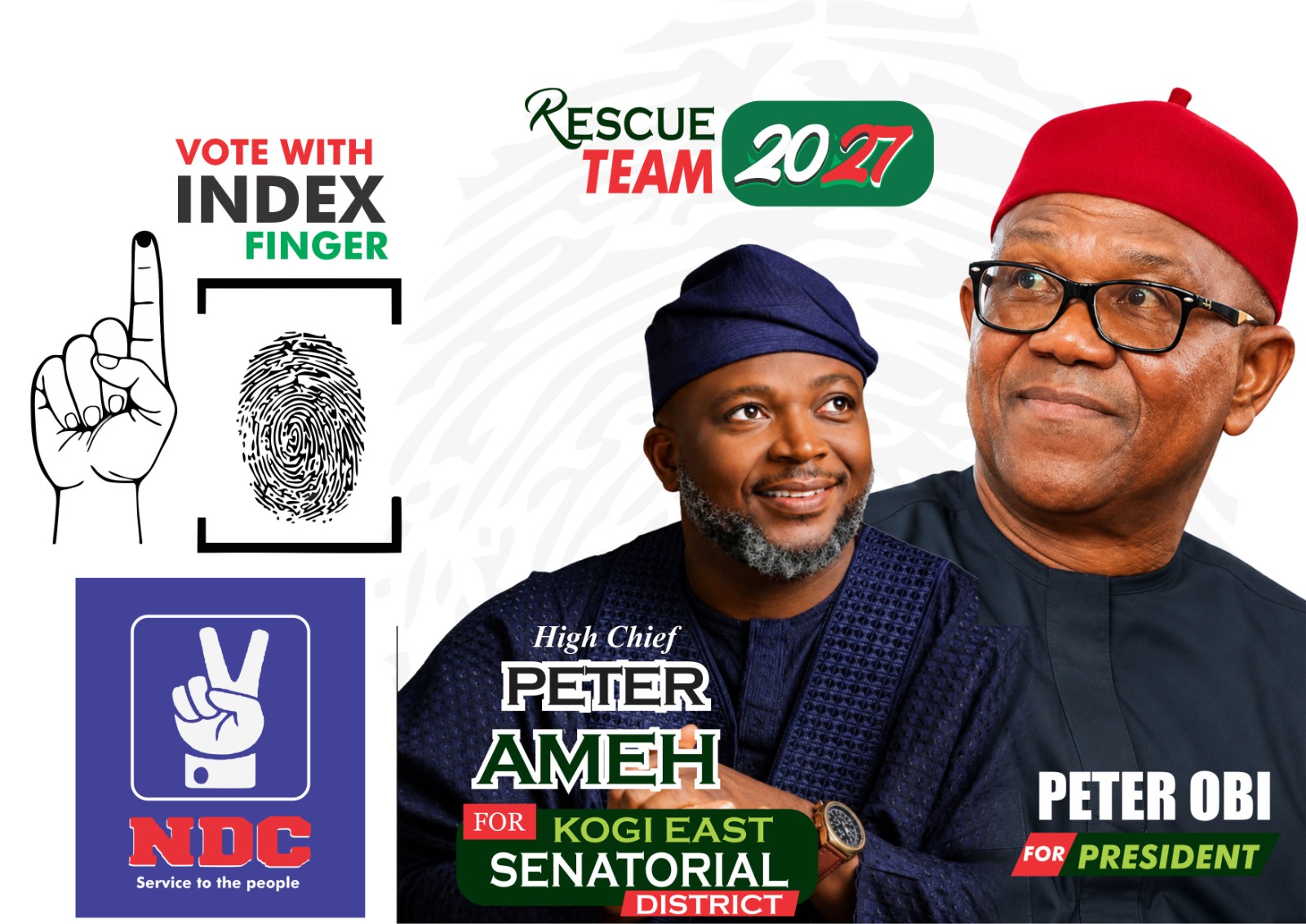
Amupitan’s warning followed recent comments by the presidential candidate of the Nigeria Democratic Congress, Peter Obi, that his team would establish a system for transmitting results from polling units to the party’s situation room.
Obi had said the arrangement would operate alongside INEC’s official transmission process to help ensure that figures recorded at polling units were accurately transmitted.
NDC chieftain Victor Umeh subsequently clarified that the party was not planning a parallel result-declaration system. He said party agents would transmit results after they had been counted, declared and entered in the prescribed result forms for independent collation at the party’s situation room.
Addressing more than 500 media decision-makers, proprietors and editors, Amupitan urged journalists not to turn their platforms into channels for unverified election figures.
He stressed that the statutory authority to declare election results rested with INEC.
Former Nigerian Bar Association President, Mazi Afam Osigwe, raised separate concerns about the legal difficulties surrounding the use of electronic electoral evidence.
Osigwe said the introduction of technologies such as the Bimodal Voter Accreditation System and INEC Result Viewing Portal had not been matched by sufficient clarity in the legal framework governing election petitions.
He questioned the practicality of requiring petitioners challenging a state-wide election to physically produce BVAS devices from every polling unit as evidence within the limited period available for electoral litigation.
He also called for greater recognition of IReV in election petitions, arguing that although it might not constitute the primary evidence of an election, the portal should have a defined role in the litigation process.
Osigwe further criticised restrictions surrounding evidence obtained through subpoenas, saying the current approach could make it difficult for petitioners to obtain documents held by INEC and other public institutions.
He linked the difficulties surrounding election petitions to what he described as the increasing “judicialisation of the electoral process”.
The senior lawyer urged journalists to continue scrutinising INEC, the judiciary and political actors to ensure that votes cast by Nigerians ultimately translate into legitimate political mandates.
Jigawa State Governor Umar Namadi urged media organisations to strengthen their fact-checking and verification systems ahead of the elections.
Namadi warned that AI could manipulate text, images, audio and video so convincingly that fabricated material could easily be mistaken for genuine information.
He said credible elections required not only a sound voting process but also an informed electorate with access to accurate information.
The governor urged media organisations to invest in verification, media literacy and the ethical use of technology.
He described editors as a final line of defence against inaccurate and irresponsible publishing, urging them to put truth and responsible journalism ahead of the race to break news.
He also called for collaboration between government and the media to improve digital literacy and public awareness while ensuring that efforts to tackle harmful falsehoods did not undermine legitimate expression and press freedom.