

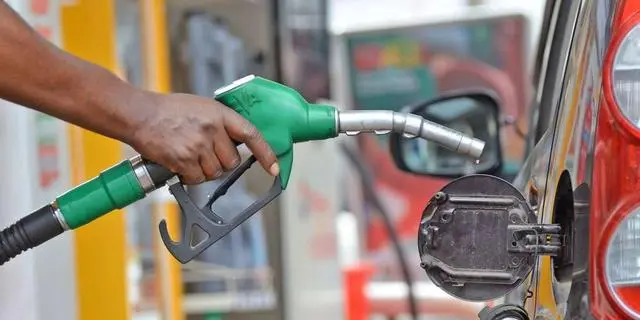

Independent petroleum marketers have issued a stark warning to the Federal Government, threatening to shut down filling stations across the country if authorities attempt to compel them to reduce petrol prices despite the deregulated nature of Nigeria’s downstream oil sector.
The threat emerged amid growing pressure on fuel marketers to pass on the benefits of declining global crude oil prices to consumers, following recent remarks by the Minister of State for Petroleum Resources (Oil), Heineken Lokpobiri.
Speaking on the controversy, the National Publicity Secretary of the Independent Petroleum Marketers Association of Nigeria, Chinedu Ukadike, said marketers would resist any move to introduce what he described as indirect price control under a deregulated market system.
According to him, marketers are already facing severe financial strain as frequent adjustments in depot prices continue to erode profit margins and expose operators to significant losses. He noted that many independent marketers purchase products through bank loans at higher costs, only for market prices to fall before they can dispose of their stock.
Ukadike argued that forcing marketers to slash prices without considering their acquisition costs would amount to punishing businesses operating within a liberalised market framework.
He maintained that the provisions of the Petroleum Industry Act support market-driven pricing and warned that government intervention could discourage private investment and destabilise the downstream petroleum sector.
Rather than demanding price reductions, he urged the Federal Government to deepen competition by supporting local refining, rehabilitating public refineries and creating a more favourable operating environment for investors.
Offering a more moderate position, the National President of the Petroleum Products Retail Outlet Owners Association of Nigeria, Billy Gillis-Harry, called for dialogue among stakeholders to address the growing concerns over fuel pricing.
He urged the government, regulators, refiners and marketers to convene an emergency meeting aimed at finding a balanced solution that protects consumers without undermining businesses.
The dispute comes as Nigerians increasingly demand lower pump prices following a decline in international crude oil prices triggered by easing tensions in the Middle East. Despite the drop in crude prices, petrol continues to retail between ₦1,140 and ₦1,210 per litre in many parts of the country.
The Federal Competition and Consumer Protection Commission has also expressed concern over the slow pace of price adjustments. Its Executive Vice Chairman, Tunji Bello, said the Commission would continue monitoring the market to ensure consumers are not subjected to exploitative pricing practices.
As the debate intensifies, the standoff highlights the growing tension between market liberalisation and consumer expectations, with fuel pricing once again emerging as a major economic and political issue.