

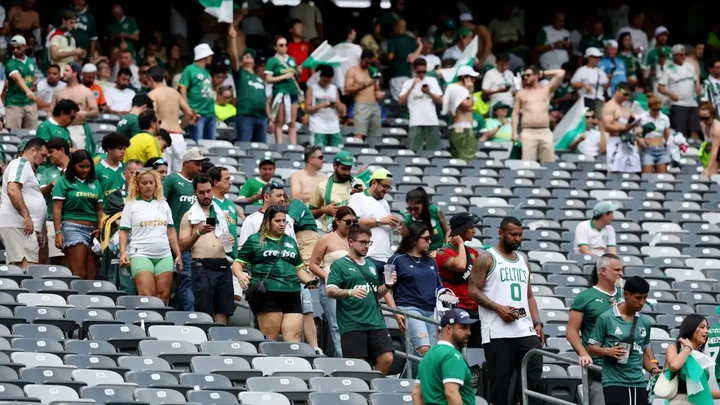

As preparations intensify for the upcoming FIFA World Cup across the United States, Canada, and Mexico, football’s global governing body has unveiled a strict list of prohibited items that fans will not be allowed to bring into stadiums, warning that violations could lead to confiscation, removal, detention, or prosecution.
FIFA officials said the updated security policy forms part of a unified safety framework designed to ensure secure and orderly matchday environments across all tournament venues.
According to the guidelines, stadium security personnel will confiscate all prohibited items at entry points, while possession of certain restricted goods—particularly illegal substances and prohibited electronic smoking devices in some host countries—could attract legal consequences, including arrest or jail terms where national laws apply.
The governing body emphasized that the measures are aimed at preventing disruptions, enhancing crowd safety, and maintaining a controlled environment for fans, players, and officials throughout the tournament.
Among the items explicitly banned are everyday objects such as selfie sticks, beach umbrellas, folding chairs, inflatables, oversized bags, and large containers. Fans are also prohibited from bringing outside food and drinks into stadiums, except in approved medical or infant-related cases.
FIFA further tightened restrictions on entry bags, allowing only small clutches or transparent bags that meet security specifications. Spectators may, however, carry a single empty transparent plastic bottle for refilling inside the venue.
Noise-making devices such as vuvuzelas, whistles, and air horns have also been outlawed, with fans encouraged to rely on vocal support during matches.
Pyrotechnic items including flares, fireworks, and smoke bombs remain strictly prohibited, with offenders facing immediate ejection from stadiums and possible criminal charges.
The list also covers sporting and transport-related items such as bicycles, scooters, skateboards, inflatable balls, and frisbees, as well as professional recording equipment, drones, laser pointers, and tripods.
Security restrictions extend further to hazardous materials, pressurised containers, flammable substances, large musical instruments, excessive batteries, and communication-disruption devices.
FIFA’s code of conduct also bans weapons of any kind, including self-defense tools such as tasers and pepper spray, alongside improvised weapons, protective combat gear, and items that could be used for concealment or disguise, with limited exceptions for religious or medical purposes.
Officials stressed that the rules are consistent across all host nations, though enforcement may vary depending on local laws—particularly in Mexico, where vaping products and related devices face stricter regulation.
FIFA maintained that the comprehensive list of 33 prohibited categories is intended to safeguard fans and ensure that stadiums remain safe, family-friendly, and free from disruption throughout the tournament period.