
***Urges urgent rehabilitation of Nigeria’s decaying education infrastructure
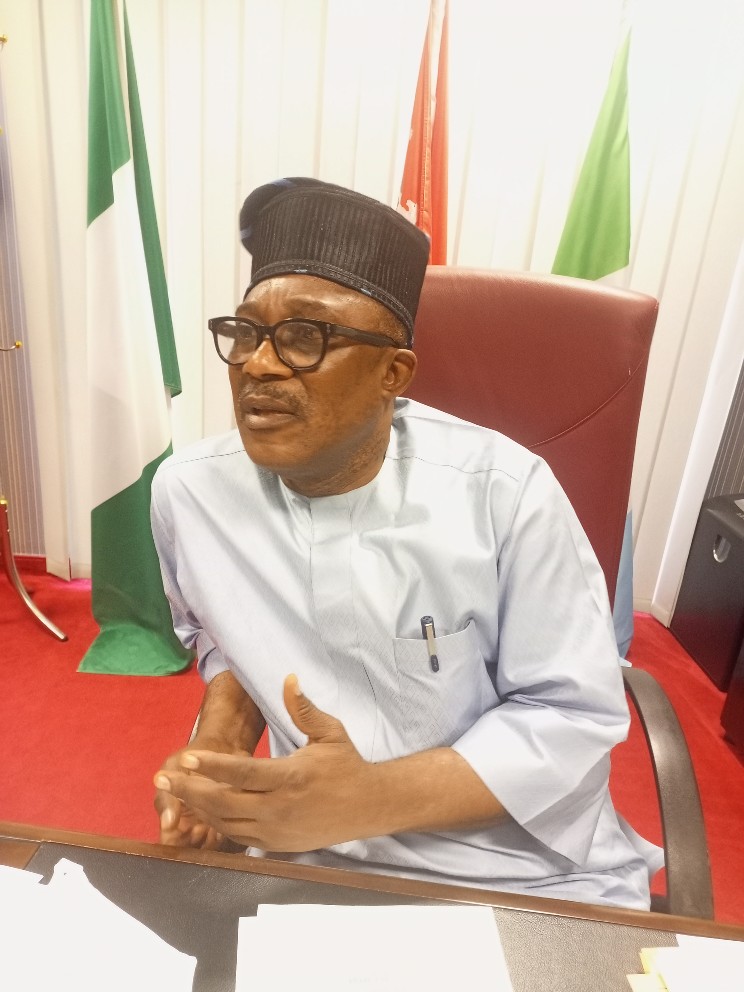
Mounting concerns over Nigeria’s deteriorating education sector took centre stage in Port Harcourt as leading stakeholders, including Mao Ohuabunwa, called for a decisive policy shift away from the proliferation of new institutions toward the urgent rehabilitation of existing ones.
Speaking at an alumni gathering of Enitonna High School, Ohuabunwa warned that the current approach—marked by the continuous establishment of new schools amid the decay of older ones—is unsustainable and risks further weakening the country’s already fragile education system.
According to him, Nigeria’s education sector is suffering from chronic underfunding, poor maintenance culture, and policy inconsistency, stressing that spreading limited resources across an ever-growing number of institutions has only deepened infrastructural collapse and declining academic standards.
“The reality is clear—government alone can no longer shoulder the burden of funding education,” Ohuabunwa said, urging stronger partnerships with alumni bodies, private sector players, and intervention agencies. He also proposed the controversial but pragmatic option of merging underperforming institutions where necessary to ensure better funding, improved management, and enhanced learning outcomes.
The event also witnessed the unveiling of a ₦1.7 billion, 10-year strategic master plan aimed at restoring Enitonna High School, a legacy institution founded in 1932 but now grappling with years of neglect, land encroachment, and infrastructural decay.

Ohuabunwa described the current state of the school as deeply troubling, calling for immediate, coordinated intervention to salvage its legacy. He specifically urged engagement with key development agencies such as the Niger Delta Development Commission to support the rehabilitation of aging infrastructure.
Echoing similar concerns, Chairman of the occasion, Chris Akani, stressed the need for a strategic rethink in education planning. He warned that the continued neglect of legacy institutions poses a direct threat to the future of education in Nigeria, advocating a more efficient allocation of resources, including the possible consolidation of institutions.
Also lending his voice, National President of the Enitonna High School Alumni Association, Godfrey Ohuabunwa, described the newly unveiled master plan as a bold step toward reclaiming the school’s lost glory. He noted that the proposed development includes modern classrooms, student hostels, and an ICT centre designed to enhance learning outcomes and reposition the institution for the future.
However, he emphasized that the success of the plan depends heavily on sustained support from government, alumni, and other stakeholders.
On his part, the school’s principal, Thomas Gogogute, painted a sobering picture of the institution’s current condition. While acknowledging its proud history of academic excellence and character development, he warned that without urgent intervention, the school risks losing its identity and legacy.
For decades, Enitonna High School has produced distinguished Nigerians who have contributed meaningfully to national development. Today, however, it stands as a symbol of a broader national challenge—where once-thriving educational institutions are left to decay while new ones continue to emerge without sustainable planning.
The consensus among stakeholders was unmistakable: Nigeria must urgently rethink its education strategy, prioritise rehabilitation over expansion, and embrace collaborative funding models—or risk a deeper systemic collapse with long-term consequences for national development.