Rising tensions between Iran and the United States over the strategic Strait of Hormuz are no longer just a military standoff, they are fast becoming a high-stakes confrontation with global economic implications.
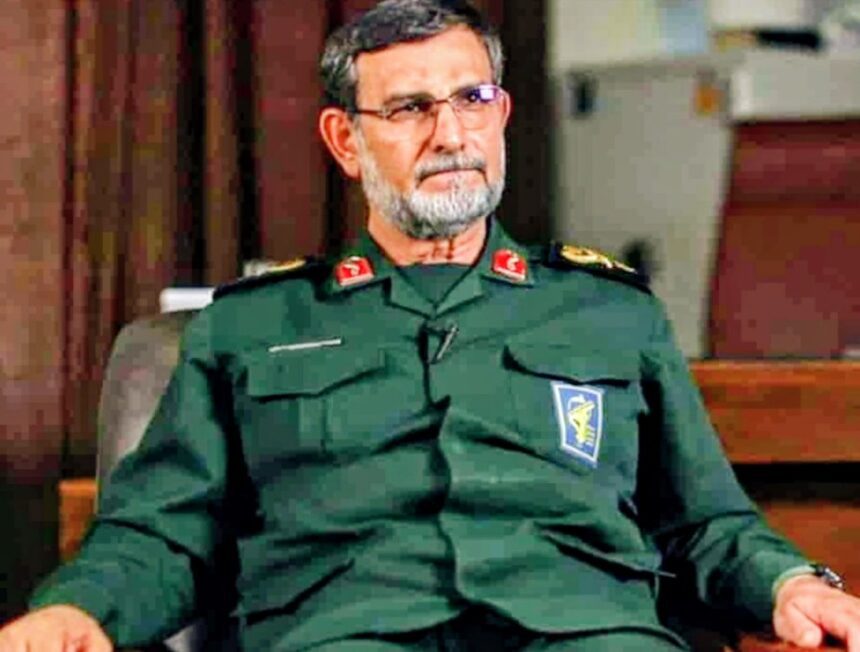
The latest escalation followed an order by Donald Trump to enforce a naval blockade in the vital waterway, a move that has drawn sharp warnings from Iran’s Islamic Revolutionary Guard Corps (IRGC).
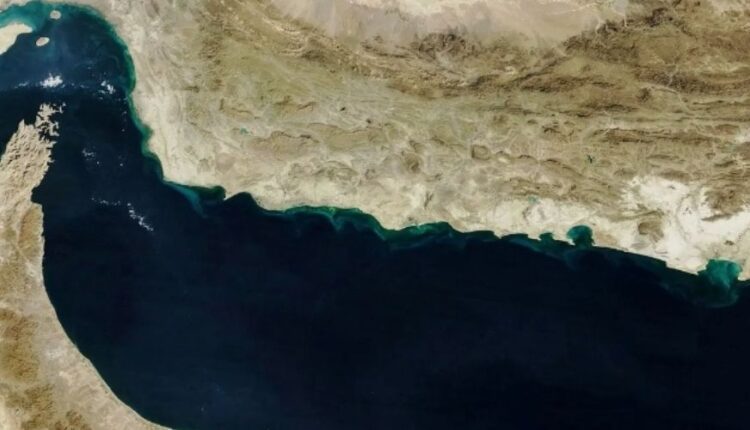
The Strait of Hormuz is one of the world’s most critica transit corridors, handling a significant share of global oil shipments. Any disruption, real or threatened, immediately sends shockwaves through international markets.
By declaring a blockade and threatening to intercept vessels linked to Tehran, the United States is effectively challenging Iran’s influence over the route.
In response, Iranian forces have signaled readiness to assert control, warning of severe consequences for any perceived aggression.
While both sides frame their actions in security terms, the underlying battle is as much economic as it is strategic.
Washington’s move appears aimed at tightening pressure on Tehran, while Iran’s defiant rhetoric underscores its leverage over a route critical to global energy supply. The result is a tense standoff where even minor miscalculations could disrupt oil flows and trigger price volatility worldwide.
For countries far from the Gulf—including energy-importing nations—the implications are immediate. Rising tensions in Hormuz often translate into higher fuel costs, supply uncertainties, and broader economic strain.
In regions like Africa, where economies are sensitive to global oil price shifts, the fallout could be particularly significant.
Statements from the IRGC warning of “deadly consequences” reflect a familiar pattern of brinkmanship in the Gulf. But the current situation carries added risk, given the direct nature of the blockade order and the heightened military presence on both sides.
Each move—whether diplomatic or military—now serves as both a signal and a test of resolve.
The unfolding situation raises a critical question: will this remain a war of words and positioning, or tip into direct confrontation?
For now, the Strait of Hormuz has once again become the focal point of global tension—where geopolitics, energy security, and economic stability intersect in a fragile balance.
Hormuz Tensions: Oil Route Showdown Raises Global Economic Stakes