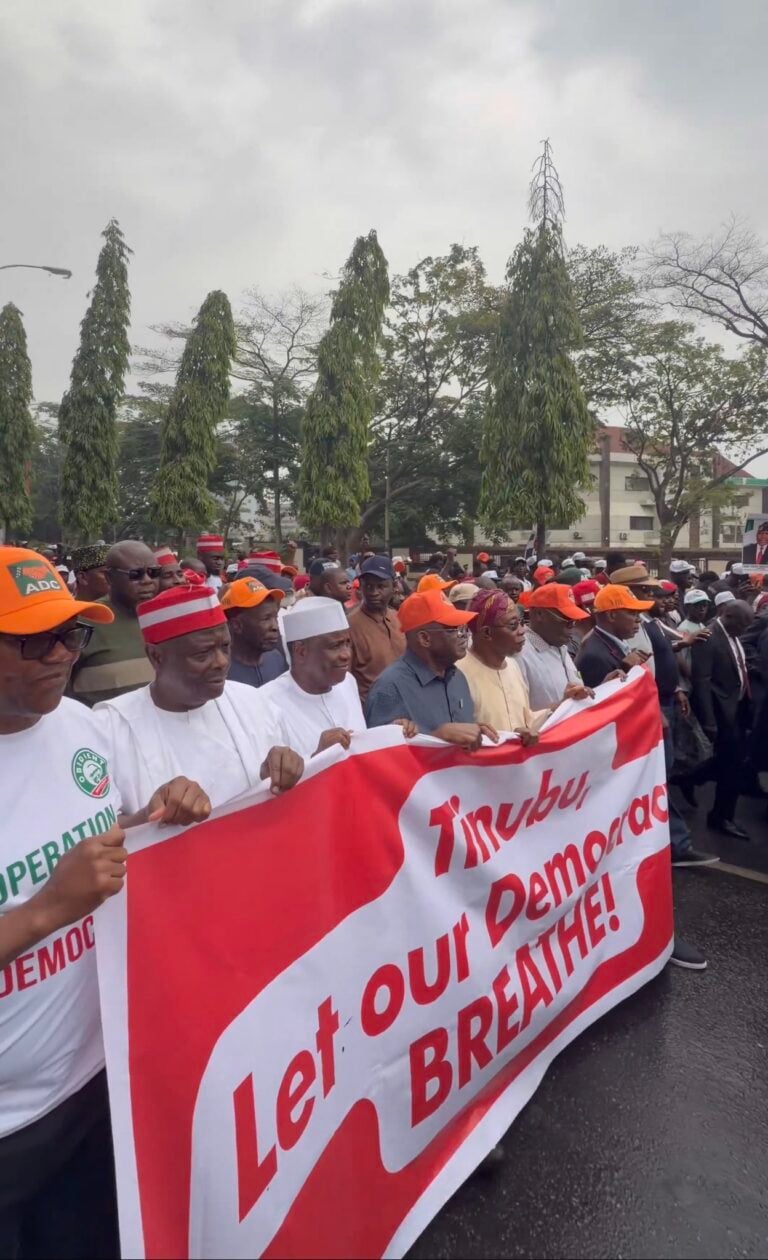
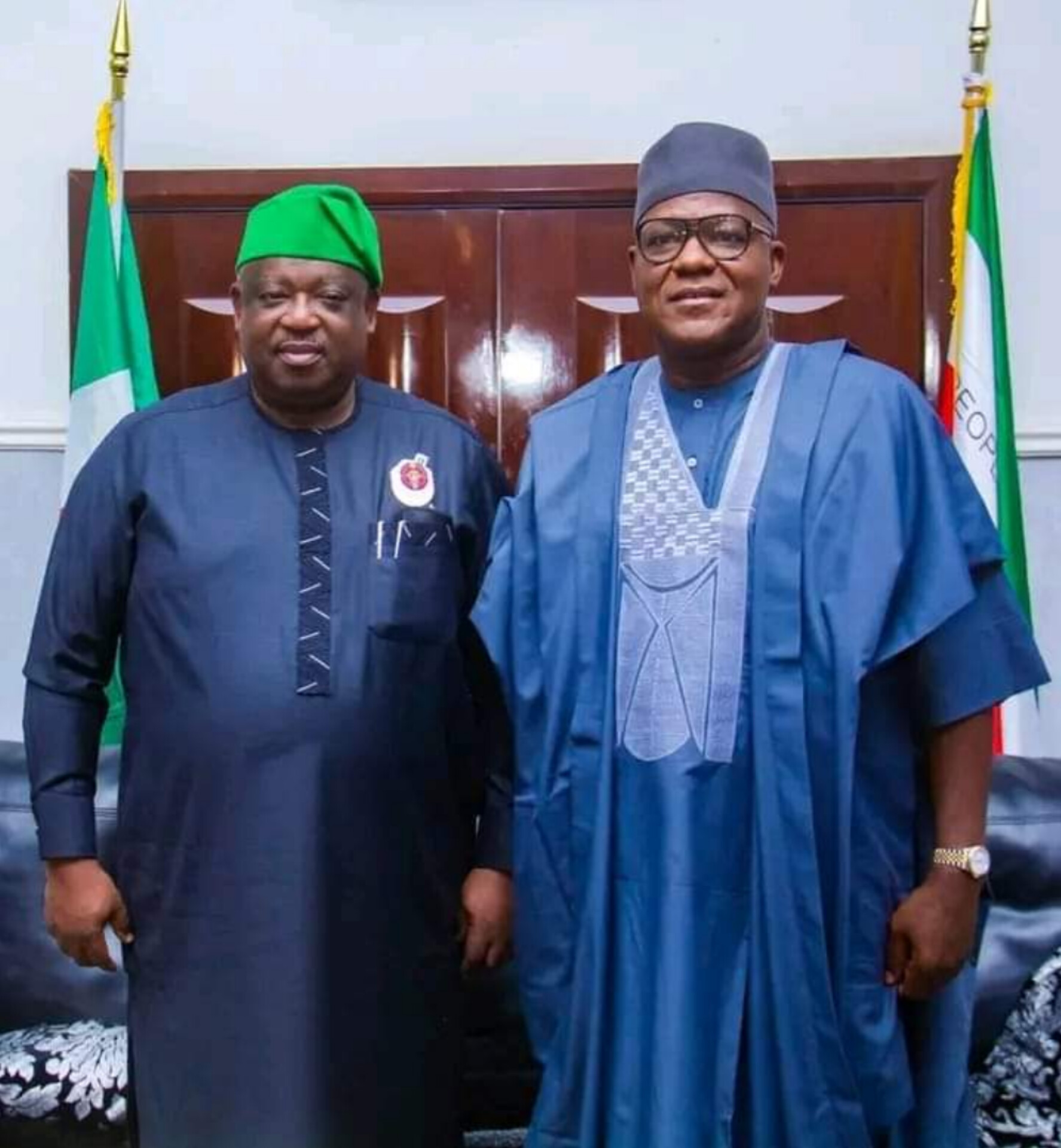
A major political confrontation erupted in Abuja as top opposition leaders and supporters staged a powerful protest under the banner #OccupyINEC, challenging recent decisions by the Independent National Electoral Commission (INEC). The demonstration drew some of Nigeria’s most prominent political figures, including Atiku Abubakar, Peter Obi, Rabiu Kwankwaso, Rotimi Amaechi, Rauf Aregbesola, and Aminu Tambuwal, alongside other political allies and supporters.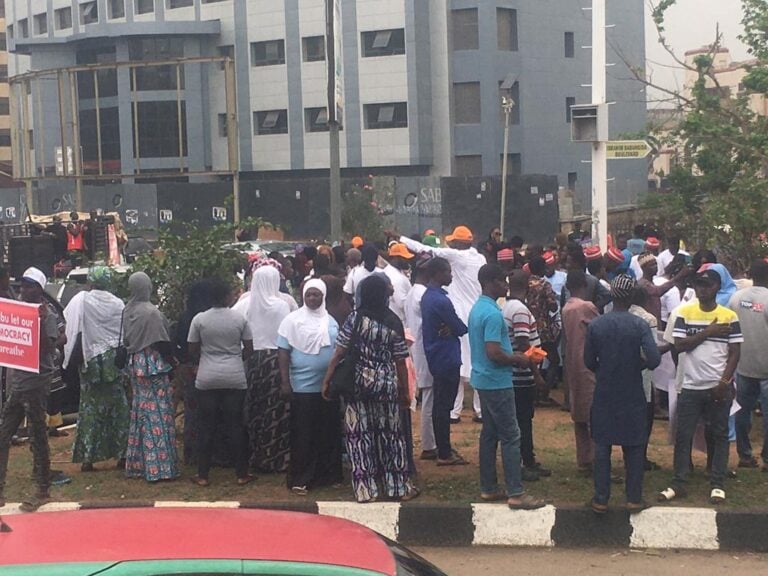
The protest, held at Maitama Roundabout, was organized in response to what the African Democratic Congress (ADC) and its allies described as troubling interference by INEC in internal party matters. The tension follows a Court of Appeal ruling that intensified an ongoing leadership dispute within the party, prompting INEC to stop recognizing or accepting correspondence from the rival factions. Protesters argued that the commission’s stance undermines party autonomy and democratic principles.
Carrying placards and chanting slogans, demonstrators expressed frustration over what they see as a growing erosion of democratic space in the country. Many participants voiced concerns that the actions of the electoral body could weaken opposition parties and tilt the political landscape in favor of a single dominant force. The rally attracted a large crowd, including members of the Kwankwasiyya movement, reflecting the widespread nature of the discontent.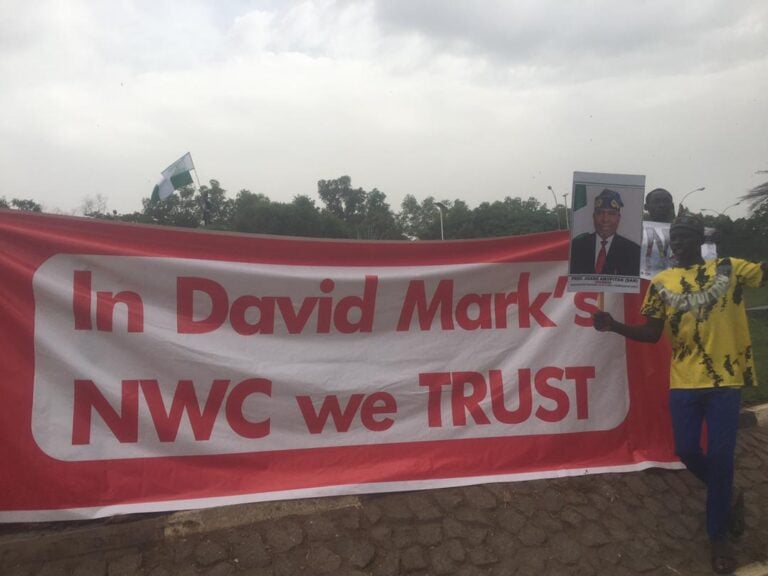
In a notable symbolic gesture, protesters sang Nigeria’s former national anthem, “Arise, O Compatriots!”, even though it was officially replaced in May 2024 by “Nigeria, We Hail Thee.” Organizers described this act as a deliberate expression of defiance and a call to national consciousness.
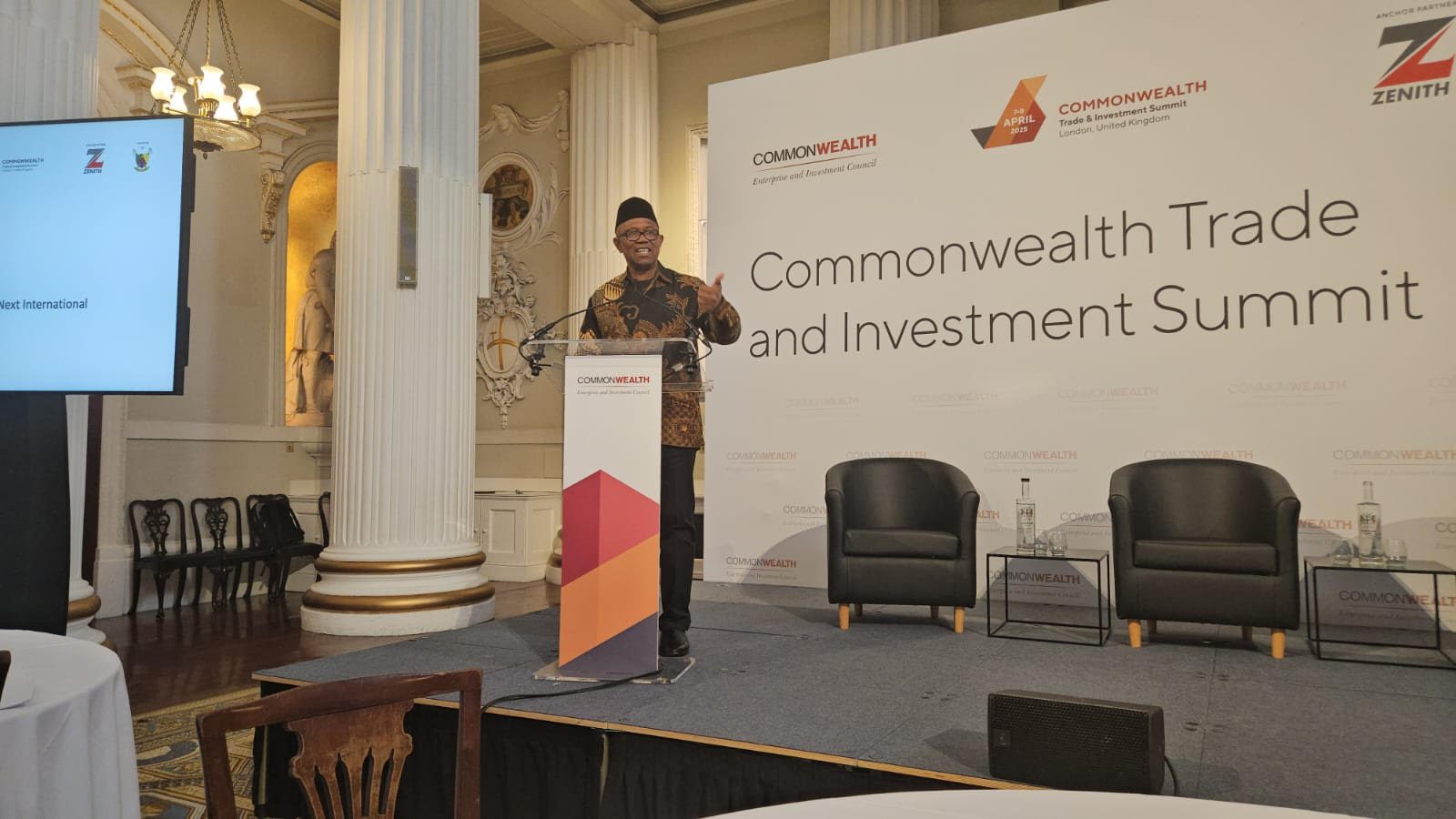
Speaking during the protest, Peter Obi emphasized the need for Nigerians to remain vigilant in protecting democracy. He urged citizens to resist any attempts that could lead to a one-party system, stressing that political diversity is essential for accountability and good governance. Other leaders echoed similar sentiments, calling on INEC to act impartially and respect the internal processes of political parties.
The protest also highlighted growing frustration among opposition groups, who accuse INEC of playing a role that goes beyond its constitutional mandate. According to organizers, the commission should act strictly as a neutral arbiter in elections rather than becoming involved in internal party disputes.
Security concerns and political tensions added weight to the demonstration, as many Nigerians continue to follow the unfolding events with interest. Observers say the situation reflects deeper concerns about electoral fairness and the stability of democratic institutions in the country.
As the protest concluded, organizers reiterated their commitment to peaceful advocacy while warning that they would continue to mobilize Nigerians until their demands are addressed. They called for transparency, fairness, and respect for democratic norms as essential pillars for sustaining the country’s political future.
The #OccupyINEC movement has now become a focal point in Nigeria’s political discourse, signaling heightened tension between opposition forces and electoral authorities as the nation looks ahead to future elections.
Opposition leaders rally in Abuja, demanding justice, democratic accountability