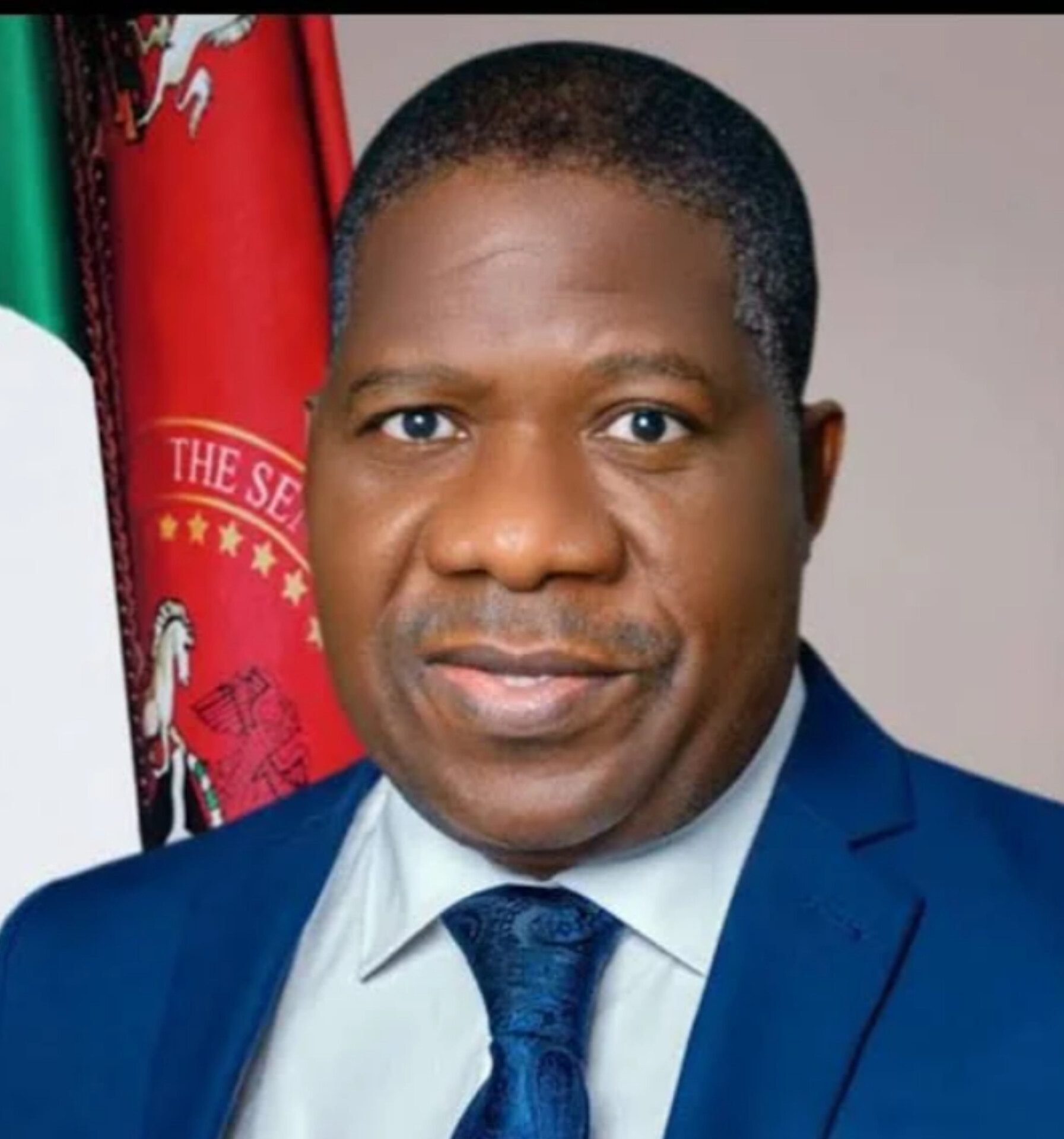
Senate Leader Opeyemi Bamidele has framed the 2026 Electoral Act as a product of broad consensus, not political imposition, positioning the law as a step toward strengthening Nigeria’s democratic institutions rather than tilting the playing field.
Speaking in his Easter message, Bamidele pushed back against criticism from opposition groups, including the African Democratic Congress (ADC), which claimed that certain provisions could disadvantage them ahead of the 2027 elections. He insisted the legislation emerged from extensive consultations involving political actors, civil society, and development partners.
At the centre of the debate is the requirement for political parties to submit digital membership registers to the Independent National Electoral Commission (INEC). Bamidele argued that the reform is less about control and more about accountability, describing it as a safeguard against manipulation of party structures and a move toward greater transparency.
He also defended the shift to direct primaries or consensus-based nominations, saying it is intended to reduce the influence of money-driven delegate politics and expand participation within political parties.
Beyond electoral matters, Bamidele used the moment to address Nigeria’s wider security concerns, condemning recent attacks in Plateau State and Kaduna State. He described the violence as unacceptable and called for stronger legislative and institutional responses.
According to him, the National Assembly is already working on reforms, including amendments to terrorism laws, aimed at imposing stricter penalties on kidnappers and those who support or finance such crimes. The goal, he said, is to strengthen deterrence while reinforcing the state’s capacity to protect citizens.
The message tied governance to the spirit of Easter, with Bamidele urging political leaders to embrace unity, tolerance, and accountability. His remarks suggest a dual focus: consolidating democratic processes while confronting the persistent challenge of insecurity.
Taken together, his stance reflects a broader tension in Nigeria’s political landscape—balancing reform, trust, and security in a system still grappling with deep-rooted structural and political challenges.
Bamidele Positions Electoral Act as Consensus Reform, Urges Unity Amid Insecurity