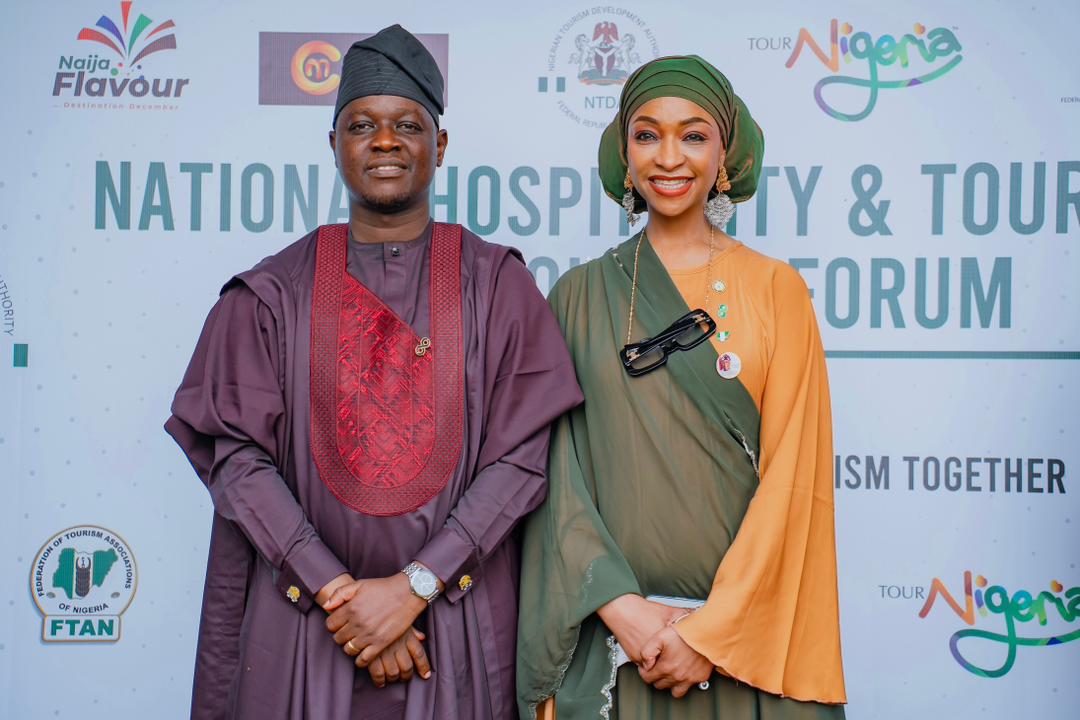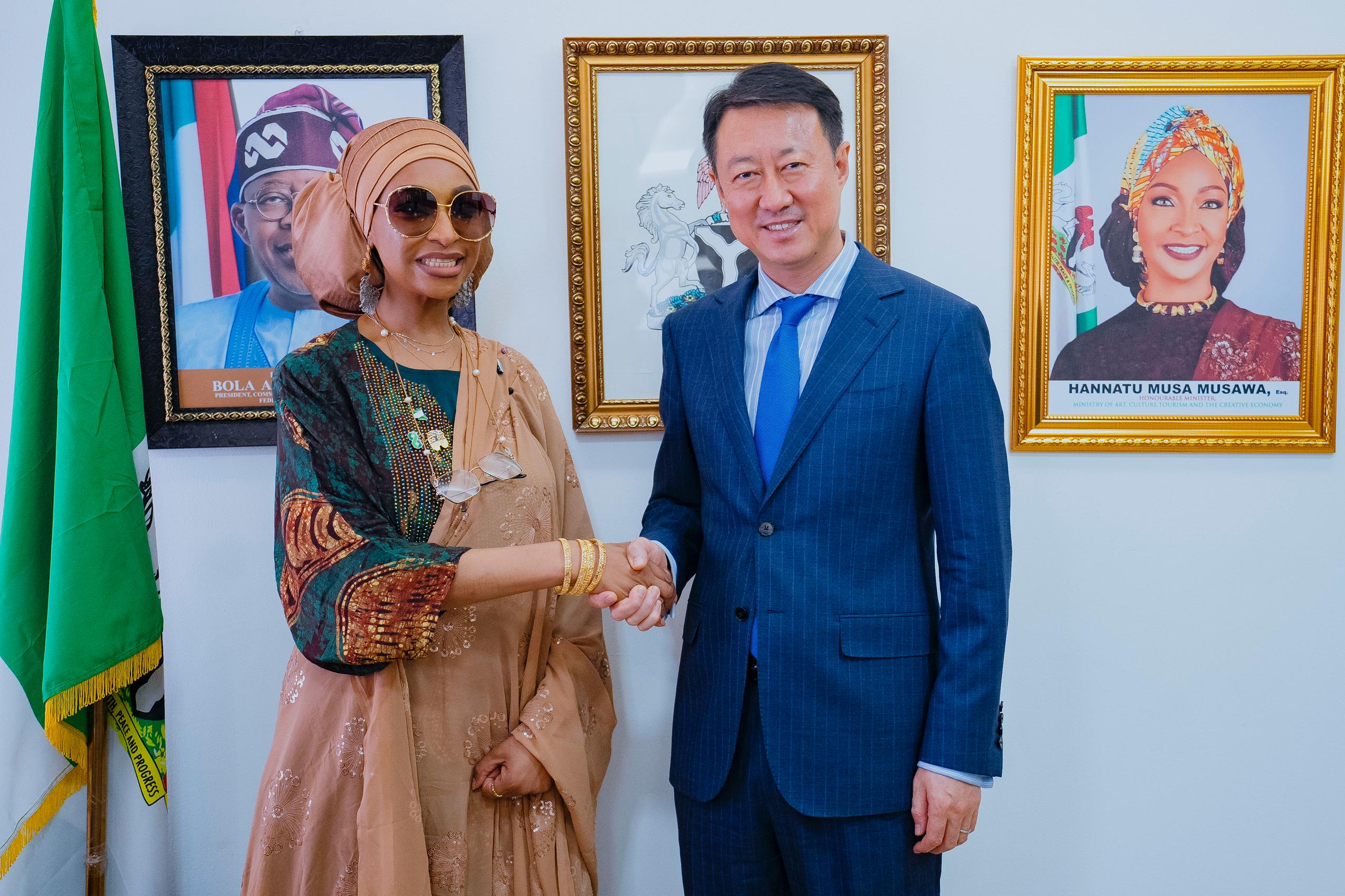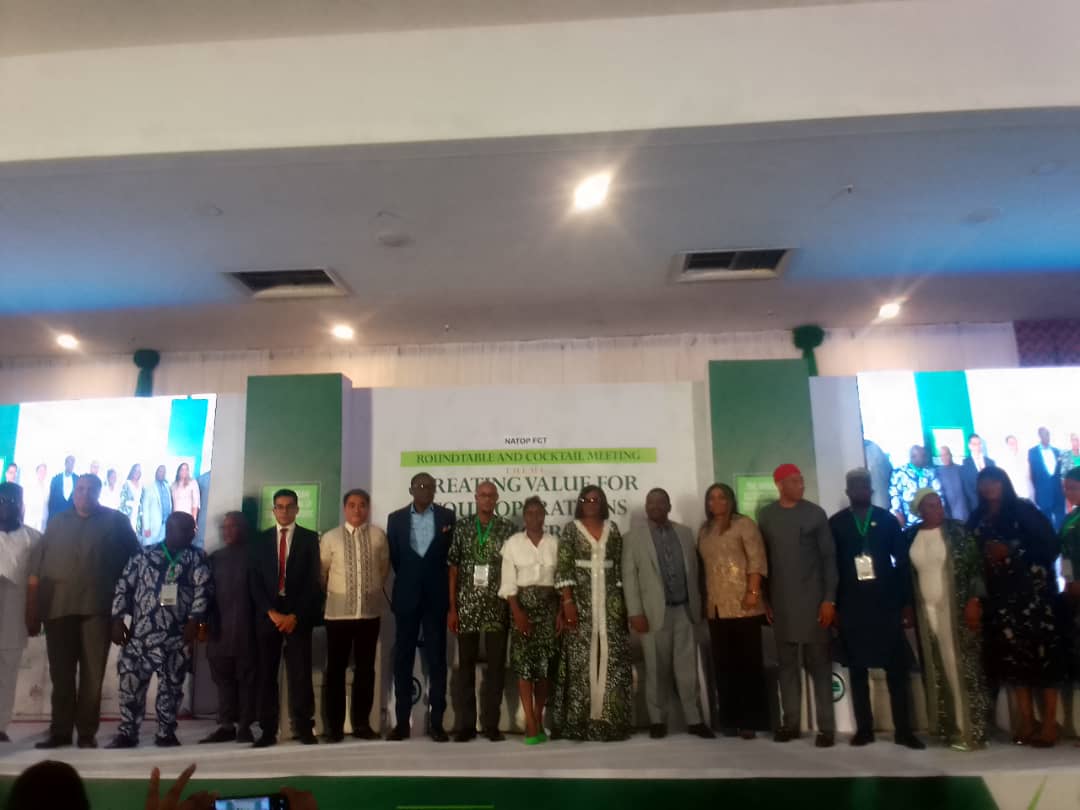
The Minister of Art, Culture, Tourism and Creative Economy, Hannatu Musa Musawa, has lauded the successful hosting of the National Hospitality and Tourism Stakeholders’ Forum, describing it as a defining step toward repositioning Nigeria’s tourism sector as a cornerstone of economic diversification.
The high-level gathering, convened by Ola Awakani, Director-General of the Nigeria Tourism Development Authority (NTDA), brought together key players across government, industry, and the creative ecosystem in Abuja to forge a common path for growth, investment, and job creation.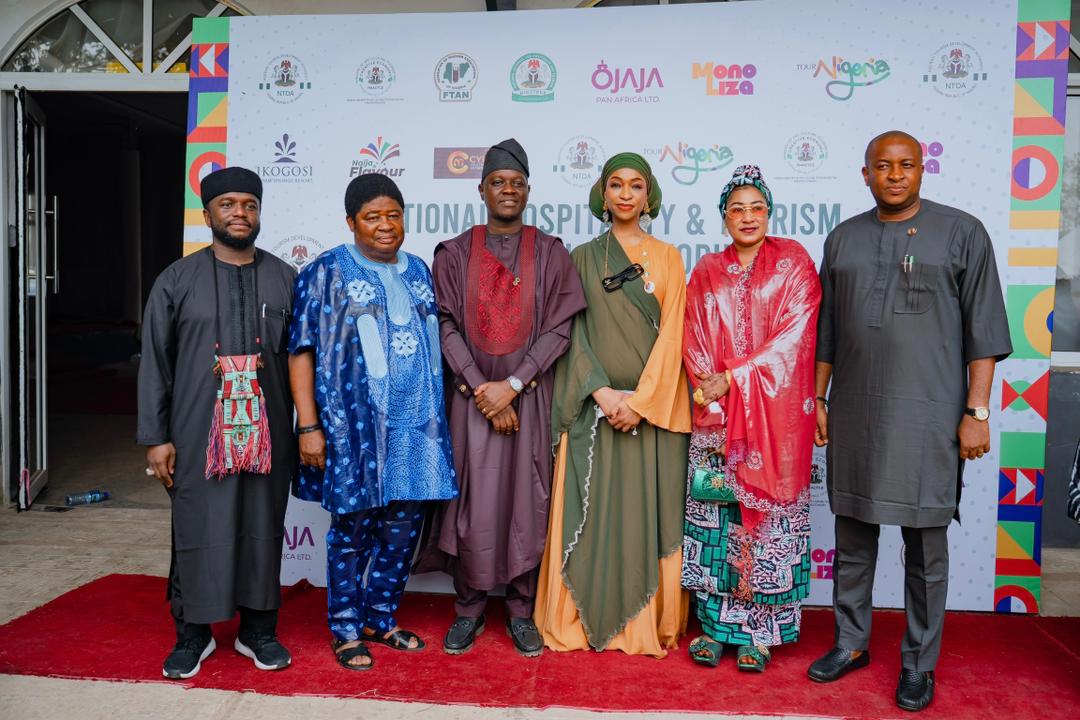
Speaking at the close of the forum, Musawa commended the organisers for delivering what she described as a results-driven platform that moved beyond dialogue to practical coordination. She noted that the engagement has laid a solid foundation for aligning Nigeria’s vast cultural, entertainment, and tourism assets into a cohesive economic force.
“This forum represents more than a meeting—it is the beginning of a structured, sustained effort to harness tourism as a major driver of national development,” she said.
The minister emphasised that under the leadership of Bola Ahmed Tinubu, the Federal Government is intentionally repositioning tourism—not as a peripheral sector—but as a central pillar of economic growth, identity, and global competitiveness.
According to her, the integration of previously disconnected sectors within the tourism value chain would unlock synergies, improve efficiency, and elevate Nigeria’s global standing as a cultural powerhouse.
Musawa stressed that consistency, strong public-private partnerships, and institutional follow-through would be critical to translating the forum’s outcomes into measurable results.
She further highlighted the ministry’s commitment to promoting Nigerian and African culture on the global stage, while creating platforms that enable private-sector players to scale their operations and access new markets.
“The travel-market platform emerging from this engagement gives stakeholders both ownership and the structure needed to expand beyond local boundaries,” she added.
Earlier, Awakani expressed optimism about the sector’s future, thanking participants for embracing what he described as a renewed energy and shared vision.
“Tourism cannot thrive in isolation. What we have achieved here is a collective roadmap that ties culture, creativity, and hospitality directly to jobs and economic value,” he said.
He reaffirmed the NTDA’s role as a unifying force within the sector, pledging to sustain momentum through continued engagement and the institutionalisation of the forum as an annual event.
The forum, themed “Shaping the Future of Nigerian Tourism Together,” is part of broader efforts to deepen collaboration between public and private stakeholders in line with the government’s diversification agenda.
Notable attendees included Kabir Ali Masanawa; Aisha Lawan Saji Rano; and Rasaki Ojo Bakare, alongside top officials of the NTDA and other stakeholders across the tourism value chain.
With renewed commitment from both government and industry leaders, the forum ended on a high note—signaling a shift from fragmented efforts to a more coordinated push to unlock the full potential of Nigeria’s tourism and creative economy.
Musawa backs tourism collaboration as key to Nigeria’s economic diversification