***At the Crossroads of Food Security: A New Vision for Nigeria’s Livestock Sector
Nigeria’s livestock sector, long regarded as both a backbone of rural livelihoods and an untapped economic giant, is entering a decisive phase. At the heart of this transformation is a powerful convergence of science, policy, and political will, as leading researchers and top government officials align around one central idea: Nigeria already has the tools to revolutionise livestock production—but only execution will determine success.
This message resonated strongly at the Second Biennial Conference of the Society for Animal Reproduction and Improvement (SARI), themed “Sustainable Animal Reproduction for Food Security.” It was a gathering defined not by abstract discussions, but by a shared urgency to translate knowledge into action.
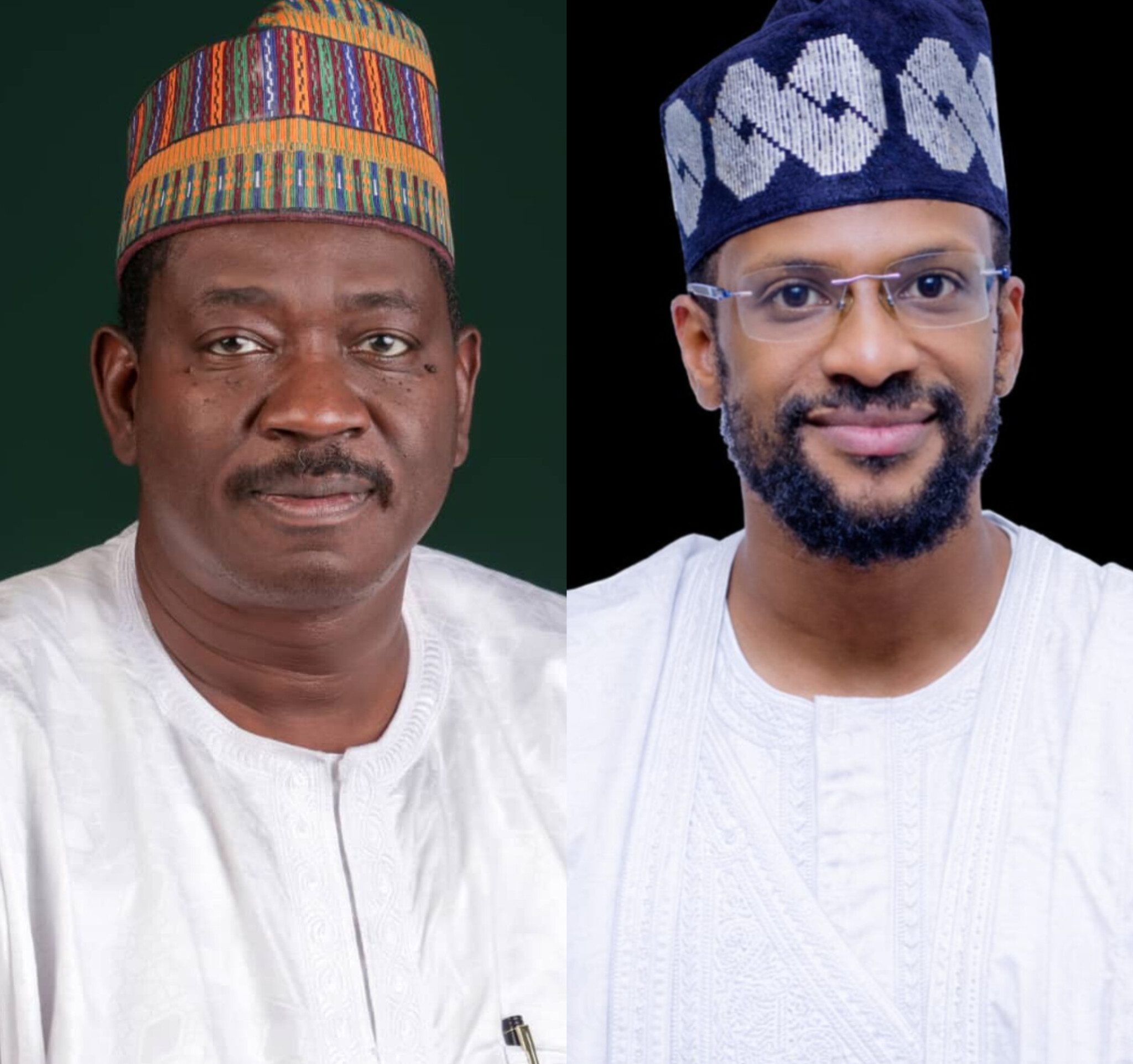
At the forefront of this alignment were Professor Demo Kalla, a leading voice in animal reproduction science, and the Presidency, represented by Senior Special Assistant on Livestock Development, Idris Ajimobi—both of whom delivered a unified call for innovation backed by decisive implementation.
In a keynote that set the tone for the conference, Professor Kalla delivered a compelling reminder: Nigeria’s challenge is no longer a lack of ideas, but a deficit of execution.
“Policies alone do not transform sectors—implementation does,” he declared, stressing that despite strong policy frameworks and scientific capacity, the country risks stagnation without deliberate follow-through.
Kalla’s presentation, titled “Biology Meets Innovation—Advancing Animal Reproduction for Sustainable Food Security in Nigeria,” positioned science as the engine of transformation.
He highlighted Assisted Reproductive Technologies (ART) as critical tools capable of reshaping Nigeria’s livestock landscape.
These include widely adopted methods such as artificial insemination and embryo transfer, as well as more advanced techniques like ovum pick-up (OPU), in vitro fertilisation (IVF), and intracytoplasmic sperm injection (ICSI). Together, these technologies are redefining how livestock are bred, improved, and scaled.
“These technologies are not just scientific advancements; they are practical solutions to Nigeria’s food security challenges,” Kalla noted.
He further spotlighted emerging innovations such as CRISPR-Cas9 gene editing, semen sexing, and fixed-time artificial insemination (FTAI), describing them as transformative breakthroughs capable of producing more resilient, disease-resistant, and high-yield livestock.
But Kalla’s vision extended beyond the laboratory. He emphasised the growing importance of digital agriculture—particularly artificial intelligence, biosensors, and data analytics—as tools that can revolutionise decision-making, monitoring, and farm management.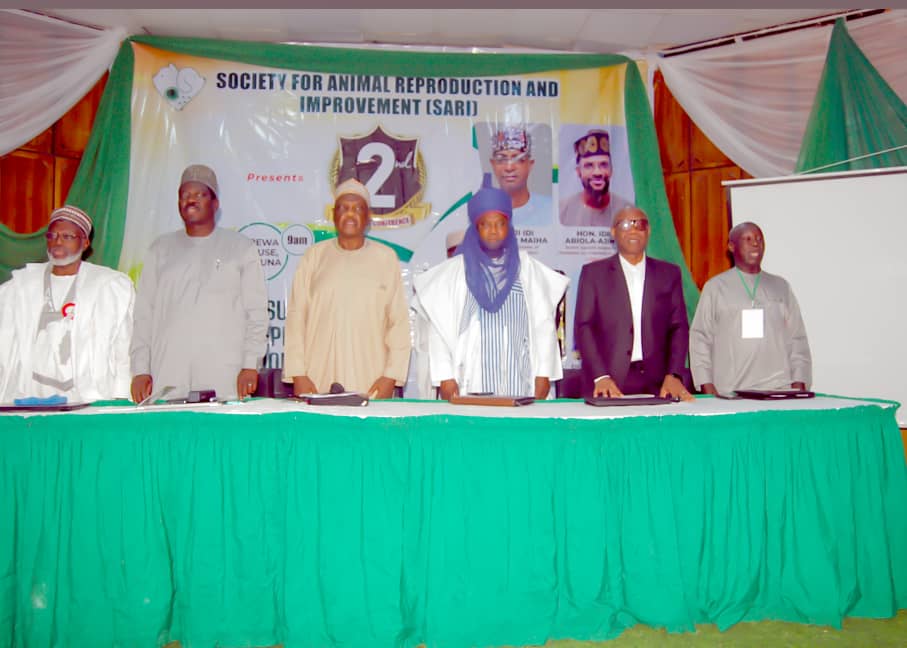
At Abubakar Tafawa Balewa University (ATBU), where he leads research into climate-smart livestock systems, Kalla is championing a new paradigm: one that treats livestock as a structured, data-driven enterprise.
“Nigeria must begin to see livestock as a business, not just a way of life,” he said, urging a shift toward structured breeding systems, improved feed production, and modern dairy practices.
Reinforcing Kalla’s message, Idris Ajimobi, who chaired the conference, affirmed the Federal Government’s commitment to transforming the livestock sector under President Bola Ahmed Tinubu.
Describing the conference theme as both “timely and highly relevant,” Ajimobi emphasised that animal reproduction and genetic improvement are central to building a climate-resilient and productive livestock system.
“As we confront challenges such as low productivity, climate variability and increasing demand for animal protein, it is imperative that we leverage science, innovation, and collaboration,” he said.
He assured stakeholders that the Federal Government remains committed to policies and programmes designed to boost livestock productivity, strengthen food systems, and improve livelihoods across Nigeria.
Ajimobi also praised SARI for its role as a bridge between research and policy, noting that such platforms are essential for converting scientific breakthroughs into real-world impact.
While government alignment sets the policy tone, it is institutions like SARI that are driving grassroots transformation.
Professor S. Idowu Ola, President of SARI, made this clear in his address, describing the organisation not as a symbolic professional body, but as a solution-driven platform committed to delivering tangible results.
“SARI was designed to be impactful, not symbolic,” he stated. “Our goal is to drive real change in animal reproduction and improvement in Nigeria.”
Since its founding meeting at the University of Ibadan in February 2022, SARI has positioned itself as a hub for collaboration—bringing together animal reproduction scientists, theriogenologists, and industry stakeholders to solve real challenges in the livestock sector.
Importantly, the organisation embraces inclusivity, incorporating both professional and associate members to ensure a broad base of expertise and participation.
Professor Ola highlighted SARI’s growing partnership with the Federal Ministry of Livestock Development, led by Alhaji Idi Mukhtar Maiha, noting that this collaboration is essential for aligning research with policy implementation.
SARI’s impact extends beyond conferences. Through its monthly Reprotalk webinar series—launched in July 2025—the organisation has created a dynamic platform for continuous knowledge exchange.
“These webinars are not just discussions—they produce actionable insights that guide interventions,” Professor Ola explained.
SARI is also actively contributing to national policy processes, including its participation in the National Advisory Committee on Animal Genetic Resources in June 2025.
These engagements ensure that scientific expertise directly informs national strategies.
On the global stage, SARI is forging partnerships with international bodies such as the International Congress on Animal Reproduction, ensuring that Nigeria remains aligned with global best practices.
Domestically, the organisation is working with industry stakeholders, including the Red Boer and Kalahari Goat Breeder Association of Nigeria, to strengthen breeding systems and improve livestock quality across the country.
As discussions progressed, the Federal Government reinforced its commitment to turning policy into action.
Minister of Livestock Development, Alhaji Idi Mukhtar Maiha, delivered a firm closing address that echoed the central theme of the conference: execution is everything.
He called for enhanced collaboration across all levels of the sector, urging stakeholders to support pilot projects, strengthen monitoring and evaluation systems, and ensure accountability in all interventions.
“We must engage all stakeholders to achieve comprehensive outcomes and sustainable progress in the livestock sector,” he said.
Maiha also stressed the need to align Nigeria’s livestock systems with global veterinary standards, ensuring consistency, quality, and efficiency across the value chain.
National Systems and Strategic Infrastructure: Building the Backbone
A key pillar of Nigeria’s livestock transformation is the implementation of the National Animal Identification and Traceability System.
Kalla described this initiative as critical for disease control, food safety, and expanding access to markets.
However, he cautioned that its success depends on full nationwide adoption and strict enforcement—a reminder that even the most advanced systems require commitment to implementation.
Regulatory institutions such as the Standards Organisation of Nigeria and the Nigerian Institute of Animal Science were also highlighted as vital to maintaining quality control and ensuring compliance across the sector.
Looking to the future, Kalla emphasised the importance of youth participation in livestock transformation. He pointed to initiatives under the National Centre for Artificial Intelligence and Robotics (NCAIR), where young Nigerians are already developing technology-driven solutions for agriculture.
“We must empower young people to see opportunities in livestock—not just in farming, but in technology, logistics and agribusiness services,” he said.
This call reflects a broader shift toward positioning livestock as a modern economic sector—one that integrates science, entrepreneurship, and digital innovation.
As Nigeria grapples with rising population growth and increasing demand for animal protein, the stakes could not be higher. The alignment between Kalla’s scientific vision and the Presidency’s policy direction signals a rare moment of consensus—one that could redefine the country’s agricultural future.
Across the conference hall, the message was unmistakable: Nigeria has the science, the policy, and the partnerships. What remains is the will to execute.
Kalla captured the moment with a powerful closing statement:
“The future of our food system depends on what we do with livestock today.”
As the conference came to a close, optimism lingered—but so did a sense of urgency. The roadmap is clear. The technologies are available. The institutions are aligned. Now, the nation must act.