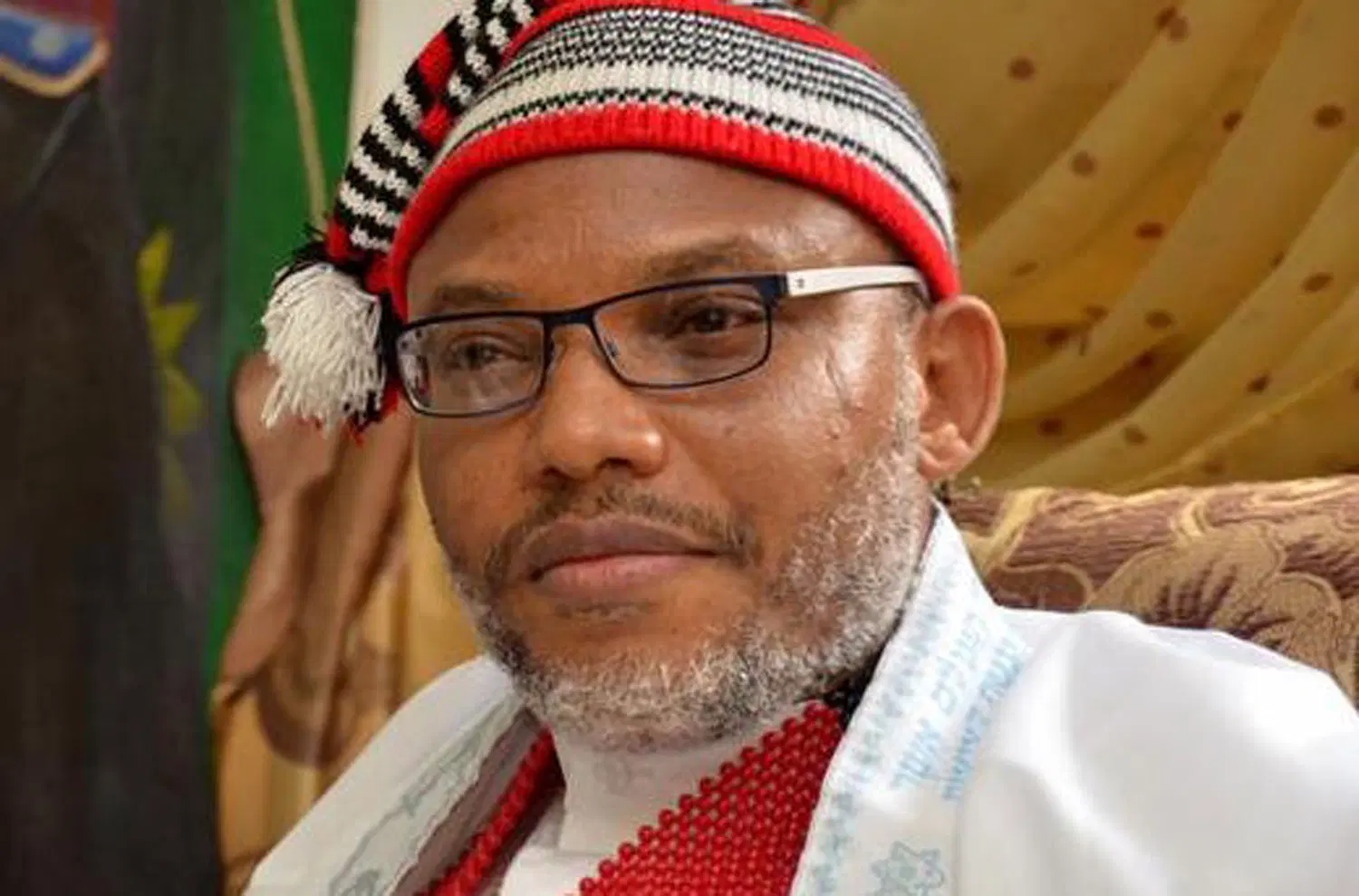
Former Kaduna State Governor, Nasir Ahmad El-Rufai, has offered a sharper perspective on Nigeria’s economic challenges, arguing that the country’s growth crisis is not rooted in a lack of talent or ideas, but in how national systems allocate and reward human capital.
Speaking in a post shared on his X account on April 1, 2026, El-Rufai framed Nigeria’s economic paradox as a consequence of incentives rather than individual failure, insisting that the country’s best minds are not absent—but misdirected.
“Nigeria’s growth problem is not primarily a shortage of talent, capital, or ideas. It is a problem of where our best talent goes—and why.”
According to him, economies succeed when incentives encourage innovation, production, and entrepreneurship. However, when the system disproportionately rewards rent-seeking—where wealth is redistributed rather than created—talent flows into non-productive spaces.
“When those returns are highest in rent-seeking… growth slows or stalls.”
El-Rufai’s argument places Nigeria’s challenge within a broader economic framework, where rational actors respond to the incentives available to them. In such an environment, he noted, individuals naturally gravitate toward opportunities that offer higher and more secure returns, even if those opportunities do not contribute to real economic growth.
“People do not wake up intending to harm their country. They respond rationally to incentives.”
He described Nigeria as a country rich in human capital but constrained by a system that fails to channel that potential into productive sectors. Instead, the structure of rewards often favours access, influence, and proximity to state power.
This, he argued, has broader consequences for the economy. With about 93 per cent of Nigeria’s labour force in the informal sector, productivity remains low, and businesses struggle to scale beyond subsistence levels. At the same time, a weak tax base limits government capacity to invest in infrastructure and social services.
“These conditions discourage legitimate business expansion and push capable individuals towards state-related activities where returns are quicker and more secure.”
El-Rufai also pointed to Nigeria’s relatively modest economic indicators, including a GDP growth rate of about 4.1 per cent in 2024 and a GDP per capita of roughly $1,084, highlighting the gap between population growth and economic output.
From his perspective, the real challenge is not the absence of talent, but the structure of opportunity. When skilled professionals find that the highest rewards lie outside productive sectors, economic stagnation becomes inevitable.
“The right question for Nigeria is not ‘Why are people corrupt?’ It is: ‘What activities does our system reward most handsomely?’”
This perspective shifts the conversation from individual morality to systemic design, suggesting that sustainable growth requires aligning incentives with national development goals.
In practical terms, El-Rufai’s argument calls for reforms that make entrepreneurship, innovation, and productivity more rewarding than access to state resources or rent-based opportunities. Such reforms would include strengthening institutions, improving transparency, and expanding opportunities in the private sector.
His remarks come at a time when Nigeria continues to grapple with slow growth, fiscal constraints, and debates over how best to harness its human capital for development. While policymakers push for diversification and economic reform, questions remain about whether the current incentive structures can support those ambitions.
Ultimately, El-Rufai’s intervention reframes Nigeria’s growth challenge as a matter of economic design rather than human deficiency. If the country can redirect its talent toward value creation, he suggests, it has the potential to unlock the productivity needed to sustain long-term growth.
El-Rufai says Nigeria’s growth depends on where talent is deployed