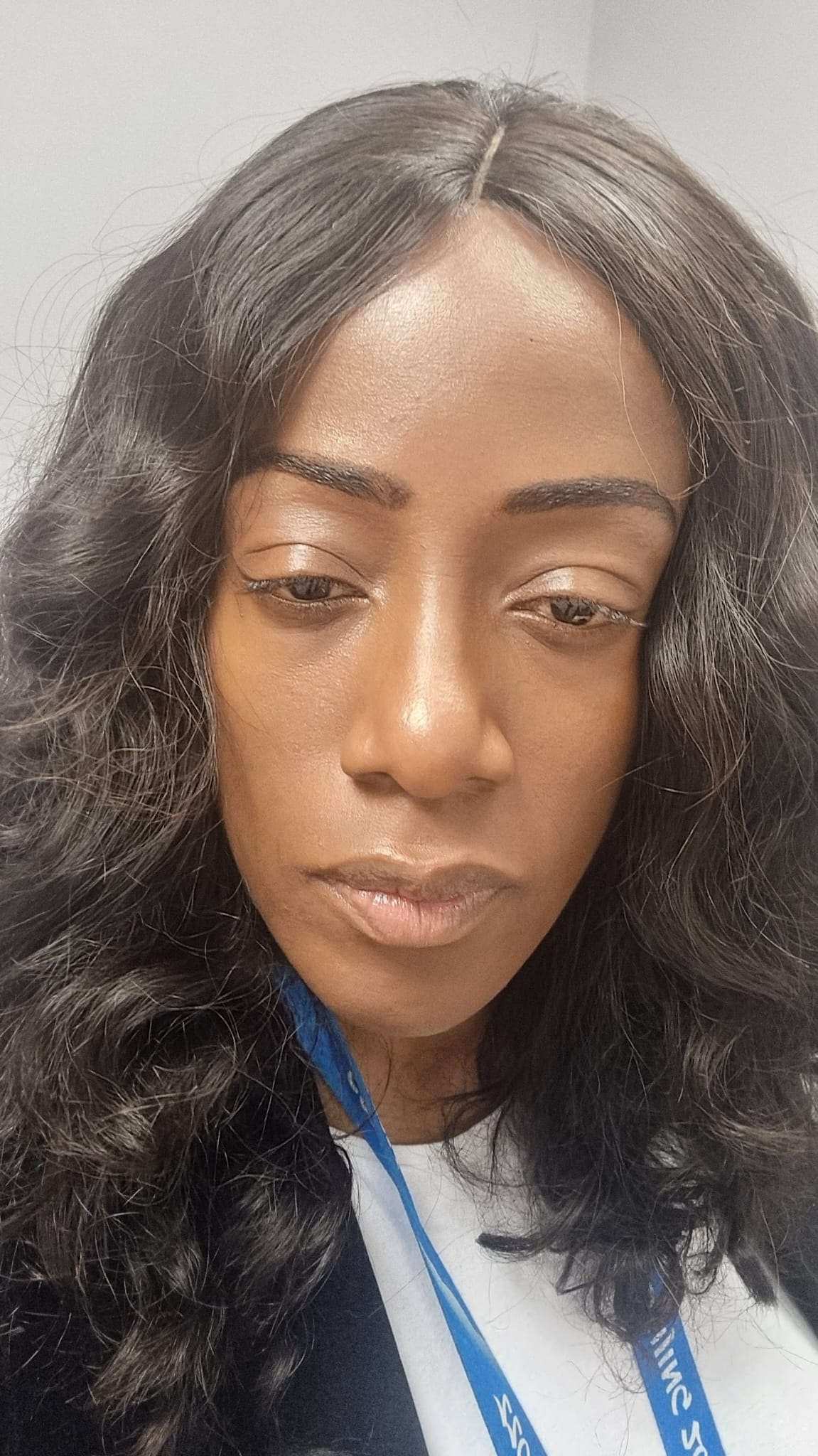
By Chinelo Ngolikaego Ezigbo
At the launch of the Joe Ezigbo Foundation, where I serve as a Board of Trustees member with a focus on dyslexia awareness, I shared my experience of growing up in Nigeria with undiagnosed dyslexia.
After my speech, someone asked me a question that has stayed with me ever since: “Have you been cured?” It was a sincere question. But it revealed something deeper about how dyslexia is still understood. Because the word cured suggests that dyslexia is an illness. Something broken. Something that needs to be fixed.
To be cured means to restore something to a normal or healthy state.It implies that something is wrong and needs to be
corrected. But dyslexia is not an illness. It is not something that needs to be restored. It is a different way of processing information.
In many Nigerian contexts, the idea of being “cured” is also shaped by cultural and religious beliefs. When a child or adult struggles with reading or writing, it may be seen not just as an academic difficulty, but as something that needs to be corrected, prayed over, or fixed.
Growing up, I had an array of lesson teachers, part of what I now understand as a search for a way to “fix” me. This often comes from care and concern, not from harm.But it reinforces the idea that something is wrong, rather than different. And that is where misunderstanding begins.What changed for me was not that I was cured. What changed was that I was finally understood.When I was diagnosed in adulthood, I was given language for difficulties I had struggled for years to explain. I was also given practical adjustments that helped me
work with my mind, rather than constantly against it.That did not remove dyslexia. I still live with it.I still adapt. I still use the strategies and recommendations that help me manage how I read, write, and process information. I was not cured. I learned how to stop fighting myself.And perhaps that is the point we miss when we ask whether someone has been cured.The question assumes there was something wrong with me to begin with.There was not.What was misunderstood was not my intelligence, my potential, or my willingness to try. What was misunderstood was the way I process written language.Dyslexia has brought challenges, yes.But it has also shaped strengths in me.It has taught me resilience. It has taught me persistence.It has taught me how to think differently, to find other ways, to keep going even when something does not come easily.Many people with dyslexia develop skills that are not always recognised in traditional systems. The ability to see patterns. To problem-solve in different ways. To think beyond what is written on the page.
These are not weaknesses. They are different ways of thinking. So perhaps the better question is not whether I have been cured.Perhaps the real question is why so many children and adults are still made to feel defective in systems built for only one type of learner. Because sometimes, it is not the person that needs fixing. It is the system that needs to learn how to recognize difference.This is one of the reasons I am part of the Joe Ezeigbo Foundation, where we are not only raising awareness, but also beginning conversations about how dyslexia is recognised within Nigeria’s education system and policies. Because understanding must lead to action. So no, I have not been cured. I still have dyslexia. What I have gained is understanding.Language for my experience. Support.And the confidence that comes from knowing I was never broken in the first place.And that, for me, is the real answer. Different is not less. Author Bio Chinelo Ngolikaego Ezigbo is a Mental Health Practitioner and Social Worker with the NHS in the United Kingdom. She is the CEO of CHIJUS Care Services, a member of the Board of Trustees at the Joe Ezeigbo Foundation, a member of the British Dyslexia Association, and a former Disability Analyst with ATOS. Through her writing, speaking, and advocacy, she is committed to raising awareness of dyslexia in both children and adults, and to ensuring that no one grows up or lives feeling invisible because of how they learn.Different is not less.
Sent from my iPhone