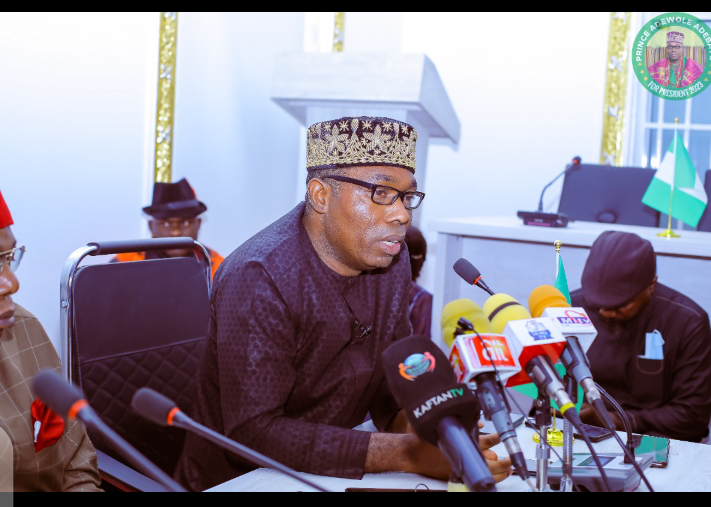
The ongoing trial over the controversial Mambilla hydropower project recorded a significant milestone on Monday, March 30, 2026, as the Economic and Financial Crimes Commission (EFCC) concluded the testimony of its key witness, Assistant Commissioner of Police and lead investigator, Umar Babangida (PW3).
The court session, which commenced at noon, saw the case called at 12:42 p.m., with proceedings lasting just under two hours. The highlight of the day was the re-examination of Babangida by the prosecution—his first since enduring a rigorous cross-examination by defence lawyers that stretched over six months.
In a focused approach, the prosecution limited its re-examination to three questions, aimed at addressing perceived gaps exposed during cross-examination. However, the defence strongly opposed the line of questioning, repeatedly describing them as “incompetent” and cautioning against the introduction of fresh issues at this stage of the trial.
Defence counsel argued that allowing such questions would unfairly shift the scope of the case, insisting they should be granted another round of cross-examination if new matters were admitted. After considering both arguments, the presiding judge ruled in favour of the prosecution, permitting the witness to respond.
Responding to the questions, Babangida told the court that he had documented legal opinions from three former Attorneys-General of the Federation. He disclosed that Kanu Agabi, who served during the administration of former President Olusegun Obasanjo, could not recall details surrounding the 2003 matter.
He further stated that Michael Aondoaka, AGF under late President Umaru Musa Yar’Adua, maintained that his 2008 legal advice to the presidency was not influenced by extracts of Federal Executive Council (FEC) minutes presented by the EFCC.
On his part, Abubakar Malami, who served under former President Muhammadu Buhari, reportedly said his May 2016 legal opinion was prepared without sight of either version of the 2003 FEC meeting minutes now before the court.
The witness also drew attention to inconsistencies in the documentary evidence, noting that the two versions of the FEC minutes differ significantly. According to him, one version contains only entries related to the Ministry of Power and the Mambilla contract, while the other includes broader deliberations involving multiple ministries.
Clarifying an earlier issue raised during cross-examination on October 9, 2025, Babangida pointed to a directive contained in the minutes—specifically on page six, paragraph four (i). He, however, clarified that the directive was not issued by the President, but still formed part of the official record.
With that, the prosecution formally announced it had concluded its engagement with the witness, effectively closing the chapter on one of its most critical testimonies. It also informed the court of its readiness to present the next witness, identified as PW4, at the next hearing.
The case was subsequently adjourned to Monday, April 20, 2026, for continuation.
The conclusion of Babangida’s testimony is expected to shape the next phase of the trial, as attention shifts to fresh witnesses and further scrutiny of the evidence surrounding one of Nigeria’s most debated power projects.
Mambilla Trial: EFCC Wraps Up Star Witness Testimony After Months of Cross-Examination