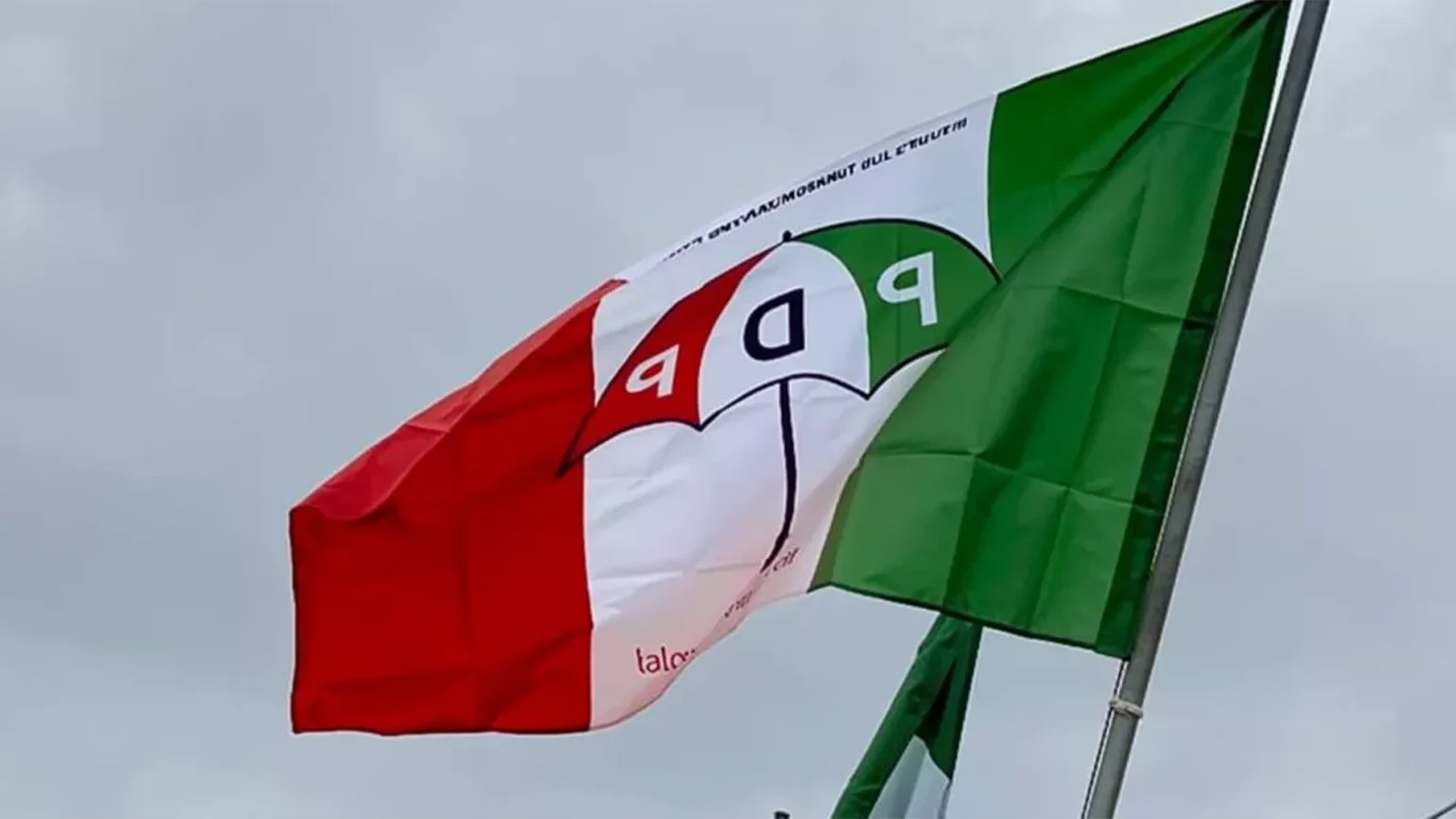
Nigeria’s opposition politics took another dramatic turn on Monday as the Independent National Electoral Commission (INEC) formally recognised Abdulrahman Mohammed as the National Chairman of the Peoples Democratic Party (PDP), a move that is set to reshape the party’s internal power dynamics ahead of 2027.
The electoral body’s updated portal now reflects Mohammed as chairman, alongside a National Working Committee (NWC) largely aligned with the camp of the Minister of the Federal Capital Territory, Nyesom Wike. The list also includes Senator Samuel Anyanwu as National Secretary and other key officials, effectively giving institutional backing to one side of a deeply fractured party.
The decision, while administrative on the surface, carries heavy political consequences.
For months, the PDP has been entangled in a fierce leadership tussle, with a rival bloc led by Kabiru Tanimu Turaki laying claim to the chairmanship. INEC’s recognition of Mohammed now tilts the balance—at least officially—towards the Wike-backed faction, raising questions about the fate of ongoing reconciliation efforts.
Sources within the party say the development has triggered fresh anxiety among stakeholders who fear that formal recognition of one faction could harden positions rather than bring closure to the crisis.
Only days earlier, Turaki had struck a conciliatory tone, revealing that leaders of both camps had begun quiet engagements aimed at resolving the dispute. He urged party loyalists to de-escalate tensions, warning that inflammatory rhetoric could jeopardise delicate peace moves already in motion.

That reconciliation push followed guidance from the Court of Appeal in Ibadan, which advised aggrieved factions to seek political solutions instead of prolonging legal battles that could further destabilise the party.
To that end, the PDP’s Board of Trustees, chaired by Senator Adolphus Wabara, constituted a high-level committee to engage stakeholders and chart a path toward unity. Party organs, including the National Executive Committee (NEC) and National Caucus, also suspended key meetings to allow room for dialogue.
But Monday’s development has complicated that pathway.
While Turaki’s camp insists that talks are still ongoing and progress is being made behind closed doors, allies of the recognised leadership argue that INEC’s position provides much-needed clarity and direction for the party.
The tension underscores a deeper battle—not just over leadership titles, but over control of the PDP’s structure, narrative, and electoral machinery heading into the next general elections.
Despite the uncertainty, party leaders continue to project optimism. Turaki reaffirmed that the PDP would field candidates for all elective positions, expressing confidence that the crisis would ultimately be resolved in line with the party’s constitution.
He also passed a vote of confidence on prominent PDP governors, including Bala Mohammed and Seyi Makinde, commending their steadiness during the turbulent period.
Political analysts say the coming weeks will be critical. If managed carefully, INEC’s recognition could serve as a pivot point for resolution. If mishandled, however, it could deepen divisions and weaken the PDP’s standing as Nigeria’s leading opposition force.
For now, one thing is clear: the battle for the soul of the PDP is far from over—and the stakes have just been raised.