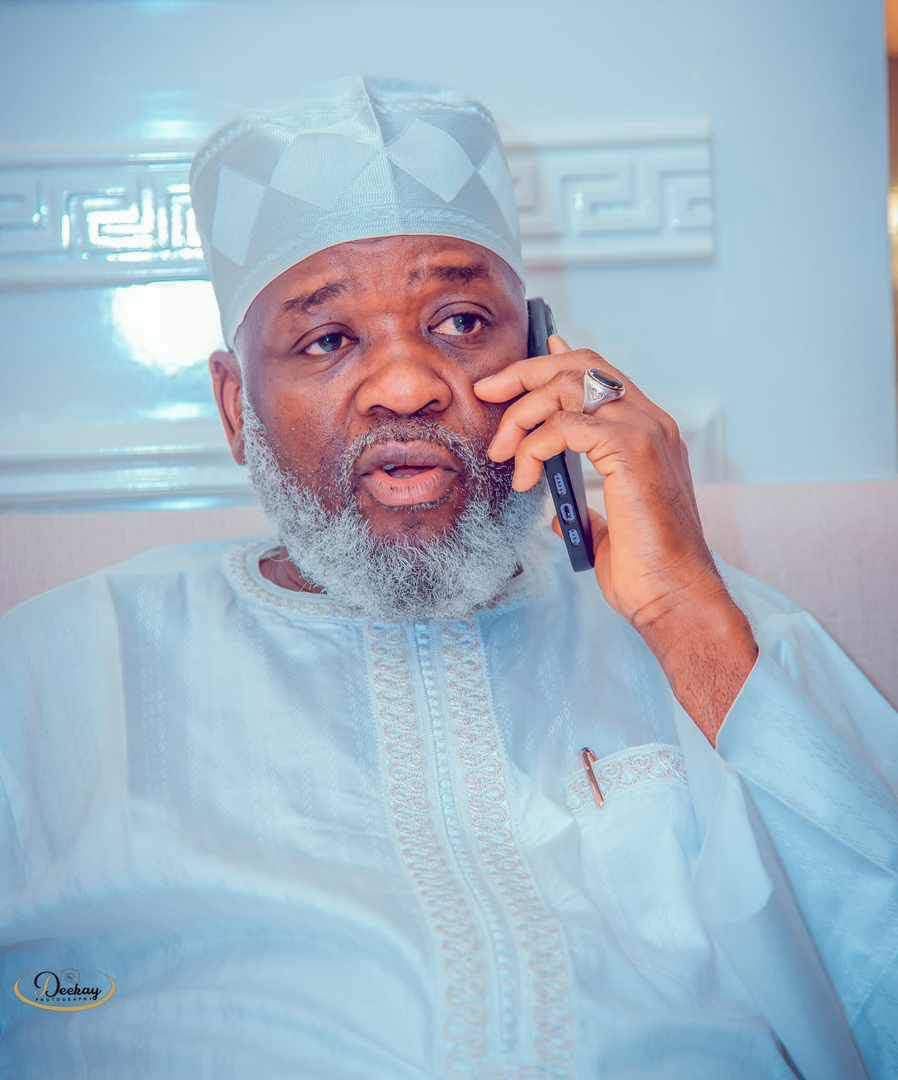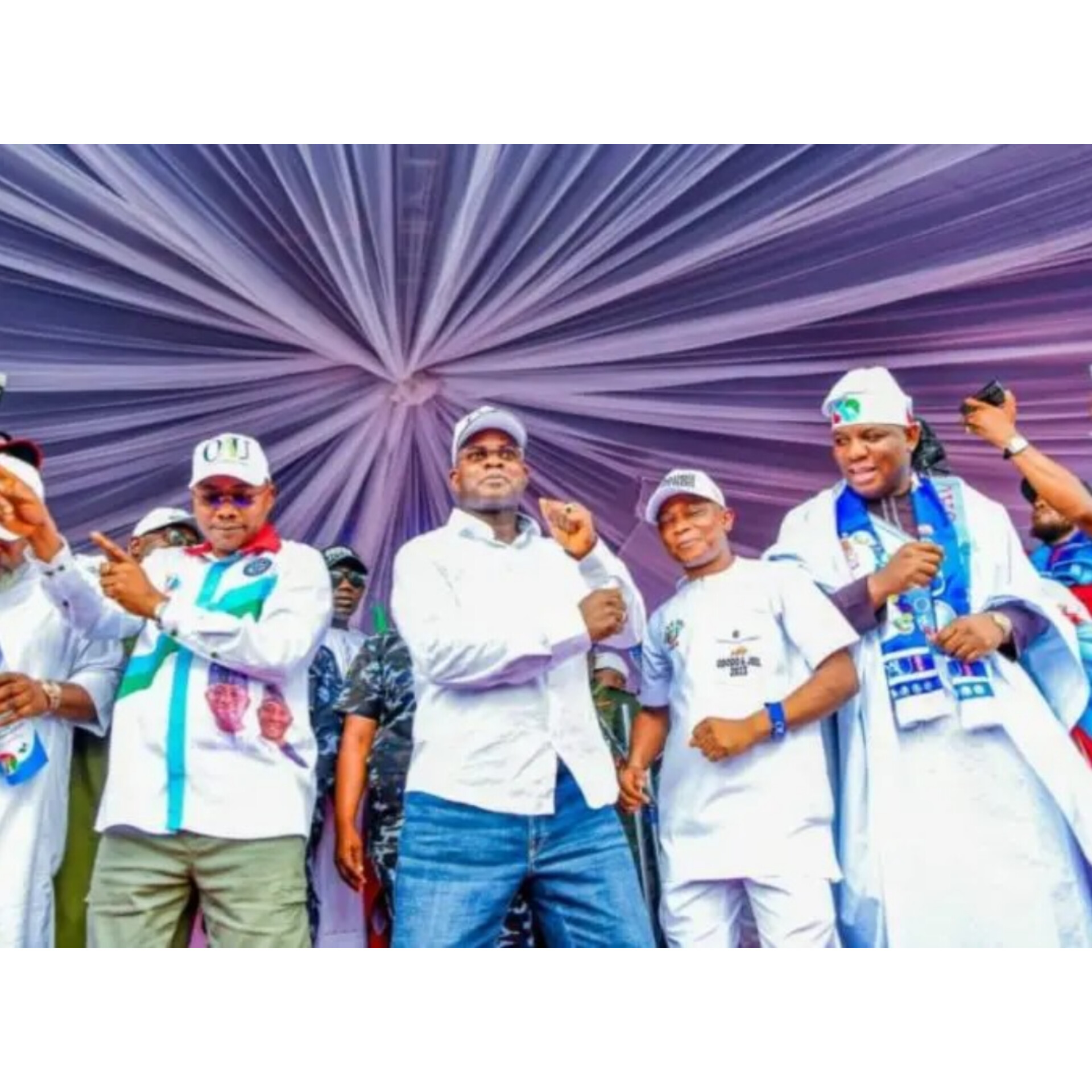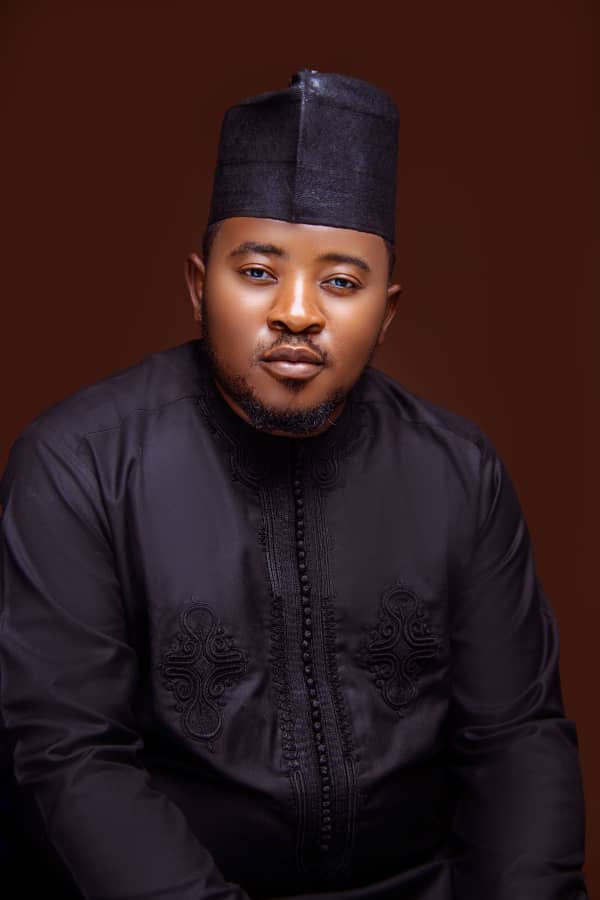
A fresh wave of political uncertainty is sweeping through Kano and the ruling All Progressives Congress following the resignation of Nasiru Gawuna as Chairman of the Governing Board of the Federal Mortgage Bank of Nigeria (FMBN), amid strong indications that he is preparing to defect to the African Democratic Congress and align with the influential Kwankwasiyya movement.
Gawuna’s exit, confirmed in a resignation letter dated March 27, 2026, comes in compliance with a directive by Bola Ahmed Tinubu requiring political appointees to step down ahead of the 2027 general elections, in line with provisions of the Electoral Act.
While the resignation on its surface appears procedural, insiders say it signals a deeper political realignment already underway in Kano—one that could significantly alter the balance of power in the state.
In his letter, Gawuna expressed appreciation to the President for the opportunity to serve, describing his tenure as both an honour and a chance to contribute to national development. He also struck a reflective tone, stating that he was placing his political future “in the hands of Allah,” while assuring of a smooth transition.
However, multiple party sources indicate that the move is far from routine.
According to insiders, Gawuna has concluded arrangements to join forces with Rabiu Musa Kwankwaso, a dominant political figure in Kano and leader of the Kwankwasiyya movement, under the platform of the ADC. The anticipated defection is already generating excitement among Kwankwaso’s supporters, while sparking unease within APC ranks.
The development is believed to be part of a broader strategy to position Gawuna for the 2027 governorship race, where he could emerge as a formidable challenger to incumbent Governor Abba Kabir Yusuf.
Within the APC, the potential fallout has triggered urgent high-level interventions. Sources familiar with the situation reveal that the presidency has moved swiftly to contain the situation, directing senior party figures to engage Gawuna and persuade him to reconsider his next move.
“There is serious concern at the highest level,” a party insider disclosed. “His defection could weaken the party’s structure in Kano and complicate electoral calculations heading into 2027.”
As part of efforts to retain him, the APC is reportedly weighing the option of offering Gawuna an automatic ticket for the Kano Central Senatorial District—an incentive seen as both strategic and urgent.
Meanwhile, Gawuna’s recent movements have added a layer of intrigue to the unfolding political drama. Sources say he travelled to Saudi Arabia during Ramadan for Umrah and has yet to return to Nigeria, with indications that he may have extended his stay with a private visit to a North African country.
Party officials also admit that reaching him has proven difficult in recent days, with reports suggesting that he has deliberately limited communication as pressure mounts from multiple quarters.
Political analysts say the potential alliance between Gawuna and Kwankwaso could reshape Kano’s political landscape if it materialises.
A Kano-based analyst, Aminu Bashir, described the emerging partnership as a possible “game changer,” noting Gawuna’s grassroots appeal across key demographics, including youths, religious leaders, and the business community.
“If Kwankwaso backs him with the ADC structure, it could significantly alter the dynamics of the 2027 race,” Bashir said.
As the situation continues to unfold, one thing is clear: Gawuna’s resignation is more than an administrative decision—it is a signal of shifting alliances, rising ambitions, and the early tremors of what promises to be a fiercely contested political season in Kano.
Gawuna’s Exit Triggers Political Ripples in Kano, Raises Stakes Ahead of 2027