Stakeholders have intensified calls for greater inclusion of women in Nigeria’s leadership and decision-making spaces, warning that meaningful national development remains elusive without gender balance.
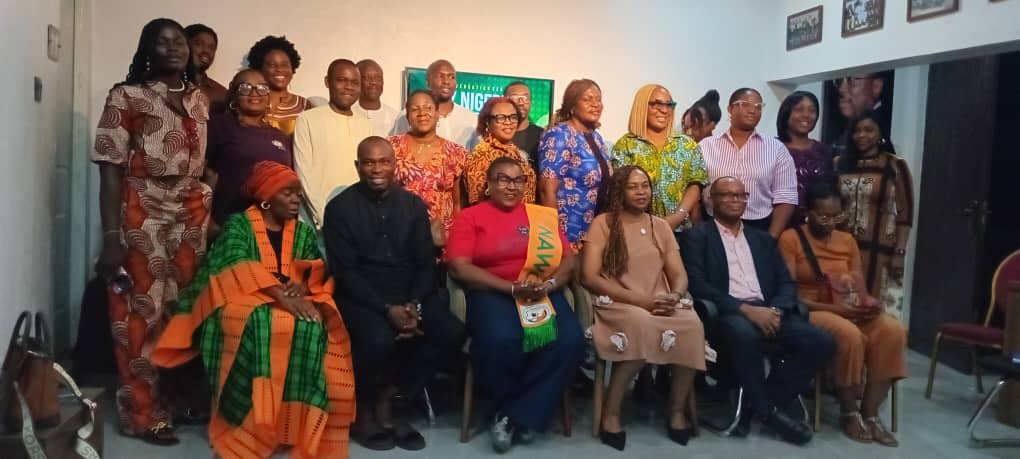
The call was made at the SALTi Conversations Series organised by Strategic Action for Leadership Trust Initiative in collaboration with Nigeria Association of Women Journalists in Abuja. The event, themed “Why Nigeria Needs More Women at the Table,” brought together advocates, media professionals, and development experts to address the persistent gender gap in governance.
Delivering a keynote address, ChiChi Aniagolu-Okoye, Regional Director for West Africa at the Ford Foundation, stressed the urgency of inclusion, noting that women occupy less than five per cent of parliamentary seats despite representing nearly half of Nigeria’s population.
“This is not a time for gender, ethnic or racial discrimination. We must go to every length to find the best hands,” she said, warning that excluding women from leadership comes at a steep cost to national development.
According to her, the push for inclusion is not about displacing men but achieving balance. “This is about creating a system that reflects both fairness and effective governance,” she added, emphasising that societies perform better when merit and diversity are prioritised.
Founder of SALTi, Nkem Momah, said the initiative is committed to building capacity and sustaining conversations that drive social transformation. He expressed optimism about the future, envisioning the emergence of female presidents in Nigeria within his lifetime.
“We are evolving, improving, and determined to make an impact. The journey has just begun,” he said.
Also speaking, Chizoba Ogbeche, Deputy Editor of Blueprint Newspaper and NAWOJ National Vice President (Zone D), highlighted structural and financial barriers hindering women’s political participation.
“Women are active during campaigns, yet they are excluded from decision-making. The issue is not willingness, but access—especially to party tickets and funding,” she said.
Ogbeche further pointed to weak enforcement of gender inclusion policies within political parties and advocated litigation as a tool to ensure compliance, despite its financial challenges.
Participants identified political violence, limited resources, and deep-rooted societal norms as key obstacles facing women. They called for deliberate policy reforms, stronger advocacy, and grassroots sensitisation to close the gender gap.
The consensus at the event was clear: achieving inclusive leadership in Nigeria will require sustained engagement, institutional reforms, and collective national commitment.
NAWOJ, SALTi Rally Support for Women’s Leadership Inclusion