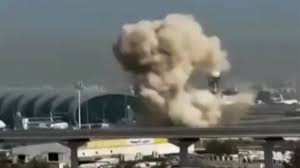
Six people have been killed and more than 140 others injured, including Nigerians, after the United Arab Emirates intercepted a wave of missiles and drones allegedly launched from Iran, as tensions across the Middle East continue to escalate.
The UAE Ministry of Defence said its air defence systems successfully intercepted nine ballistic missiles and 33 unmanned aerial vehicles (UAVs) during the latest attack on Saturday.
In a statement shared on X, the ministry said the interceptions were part of a broader pattern of hostilities it described as “blatant Iranian aggression.” According to the ministry, the country’s defence systems have so far engaged 294 ballistic missiles, 15 cruise missiles and about 1,600 drones allegedly launched from Iran since the escalation began.

Despite the successful interceptions, the attacks still caused casualties and injuries among residents of different nationalities living and working in the UAE.
Authorities confirmed six fatalities involving Emirati, Pakistani, Nepali and Bangladeshi nationals, while 141 others sustained minor to moderate injuries. Those affected include nationals of Nigeria, Egypt, Sudan, Ethiopia, the Philippines, Pakistan, Iran, India, Bangladesh, Sri Lanka, Azerbaijan, Yemen, Uganda, Eritrea, Lebanon, Afghanistan, Bahrain, Comoros, Türkiye, Iraq, Nepal, Oman, Jordan, Palestine, Ghana, Indonesia and Sweden.
The ministry reiterated the UAE’s readiness to defend its territory, stating that the country will “firmly confront any attempts to undermine state security” while ensuring the protection of its sovereignty and stability.
Meanwhile, Qatar has submitted another formal complaint to the United Nations and the United Nations Security Council, accusing Iran of repeated military aggression and warning that the attacks pose a serious threat to regional security.
The incident marks the latest flashpoint in the widening Middle East crisis, raising fresh concerns about the safety of foreign workers — including thousands of Nigerians — living in the Gulf region.