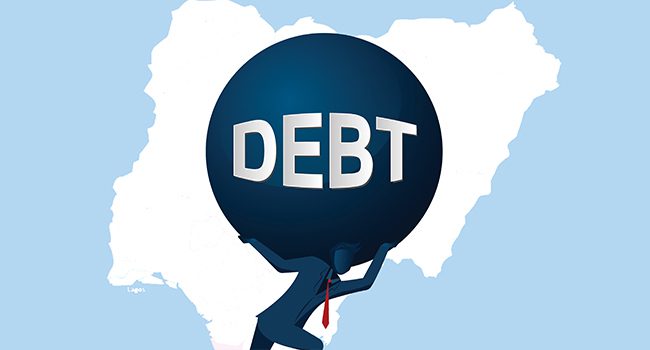
Nigeria’s debt burden is deepening, with the Federal Government spending about ₦3.9 trillion more on servicing loans than on capital projects over the past two years.
A media brief from the Federal Ministry of Finance indicated that between 2024 and 2025, the government spent ₦27.2 trillion on debt repayment, driven largely by naira depreciation and higher domestic interest rates.
In 2024, ₦12.63 trillion went to debt servicing—₦4.07 trillion above budget—while capital expenditure was ₦11.59 trillion. By 2025, debt payments rose to ₦14.57 trillion, outpacing capital spending of ₦11.7 trillion by ₦2.87 trillion. Overall, nearly two-thirds of federal revenue in 2025 was consumed by debt obligations.
The ministry stressed that these increases reflect macroeconomic pressures and accounting adjustments rather than fresh borrowing. Measures such as halting excessive Ways and Means advances from the Central Bank of Nigeria and introducing more transparent, market-based fiscal frameworks aim to strengthen long-term sustainability.
Oil revenue shortfalls added to fiscal strain, with actual inflows in 2025 reaching just 19% of projected figures. The government insists that capital projects continue despite tight fiscal space, aided by direct project-tied loans from development partners.
“The administration has chosen long-term sustainability over short-term illusion,” the finance ministry noted, emphasizing that debt sustainability should be judged by broader indicators like debt-to-GDP ratios, revenue growth, and fiscal deficit trends—not just headline debt figures.
Nigeria Spends ₦3.9tn More on Debt Than Capital Projects