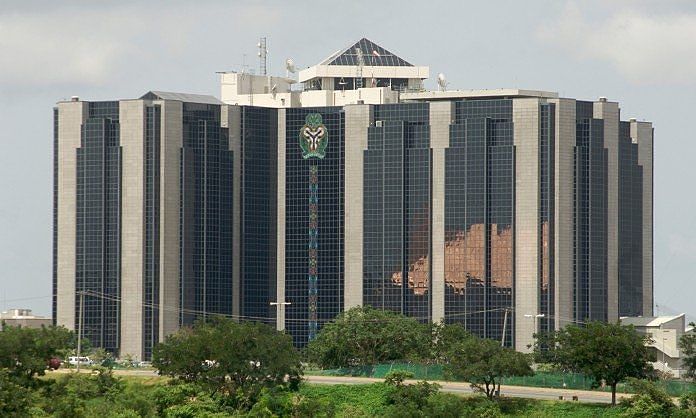

Shareholders in Nigerian banks may face reduced or suspended dividends in the coming years as the Central Bank of Nigeria moves to tighten regulations on insider lending and strengthen the quality of bank assets.
Under a new directive issued to lenders, banks have been ordered to treat insider-related loans as non-performing exposures and make 100 per cent provisions for them within an 18-month window starting from the end of April.
The measure could force several banks to recognise multi-billion-naira impairment charges, potentially eroding profits and affecting dividend payments to shareholders.
Industry sources said insider-related credits represent a significant portion of the loan books of some banks, accounting for over 30 per cent of total loans and advances in certain cases. Analysts warn that weak transparency and under-disclosure may also mask the real scale of insider exposures across the sector.
The regulator believes that in periods of severe economic stress, many of the loans—often poorly secured—could become unrecoverable, posing risks to financial stability.
The development comes as the CBN intensifies scrutiny of banks ahead of the March 31 deadline for the ongoing recapitalisation programme, under which lenders have collectively raised more than N4 trillion in fresh capital.
So far, about 30 banks have reportedly met the new capital requirements, easing fears of widespread liquidation within the industry.
However, market sources say the regulator remains concerned about the quality of assets held by several lenders, particularly the rising level of insider lending.
The CBN is also said to be preparing additional regulations aimed at tightening approval processes for insider credits, including stricter requirements on guarantees, indemnities and risk evaluation.
As part of the new oversight framework, banks have also been directed to conduct stress tests on their credit portfolios beginning April 1 to evaluate their resilience under adverse economic conditions.
The exercise will simulate shocks such as exchange-rate volatility, commodity price declines and deterioration in borrower credit quality.
According to regulatory guidelines, insider-related exposures will be treated as default under severe stress scenarios, requiring full provisioning in banks’ financial statements.
Following the tests, banks will be required to report their pre-stress and post-stress capital adequacy ratios and disclose any capital shortfall.
Economist Godwin Owoh said the tougher stance on insider lending was necessary to protect shareholders from the consequences of weak governance and risky lending practices.
He noted that the policy could compel banks to recall loans granted to related parties as part of efforts to reduce exposure.
Another economist, Chiwuike Uba, described the stress-testing exercise as a precautionary move aimed at ensuring the resilience of the banking system.
He added that while stronger banks may withstand the new regulatory requirements, mid-tier lenders with higher risk exposure may need to raise additional capital through equity offerings or mergers.
Analysts say the measures reflect growing regulatory caution within the banking sector as authorities attempt to avoid a repeat of the crisis that followed the 2004–2005 banking consolidation and led to the creation of the Asset Management Corporation of Nigeria to absorb toxic bank assets.
While the new rules may temporarily affect investor returns, experts believe they could ultimately improve governance standards and strengthen the resilience of Nigeria’s banking system.