The Nigerian Midstream and Downstream Petroleum Regulatory Authority (NMDPRA) has attributed the recent fluctuations in petrol pump prices across Nigeria to prevailing market forces under the country’s deregulated downstream petroleum sector.
The authority said the variations currently being witnessed nationwide reflect supply and demand realities rather than any form of regulatory interference.
Speaking with journalists in Abuja on Sunday, NMDPRA spokesperson George Ene-Ita explained that the changes in petrol prices are largely influenced by global and domestic market conditions.

According to him, the recent surge in the pump price of Premium Motor Spirit (PMS), commonly known as petrol, is partly linked to developments in the global energy market, including tensions and instability in the Middle East which have pushed up crude oil prices.
Ene-Ita noted that since Nigeria adopted a fully deregulated downstream petroleum regime, pump prices are no longer determined by the government as was the case when fuel subsidies were in place.
“Nigeria has been operating a fully deregulated downstream petroleum regime since the inception of the current administration,” he said.
“Therefore, pump price vagaries are purely as a result of market dynamics.”
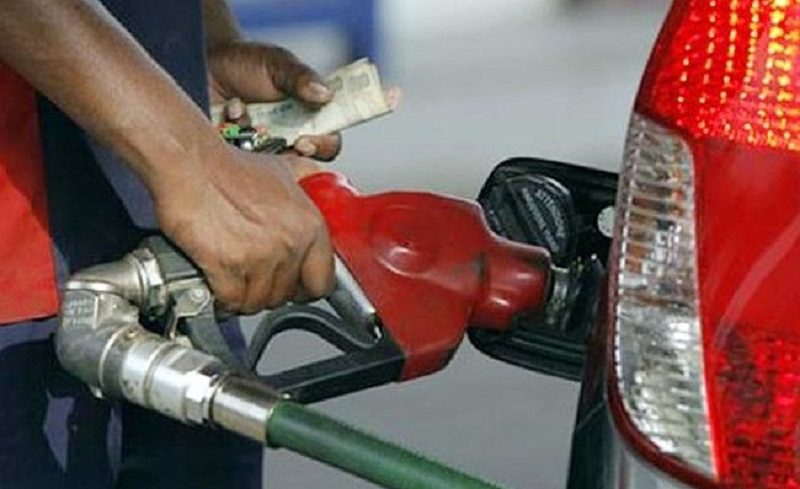
In recent days, many motorists in the Federal Capital Territory have expressed frustration over the sharp increase in petrol prices, with the commodity now approaching the ₦1,000 per litre mark at several filling stations.
Until recently, petrol was sold between ₦875 and ₦880 per litre at various outlets across Abuja.
However, new market trends show that independent petroleum marketers are now dispensing the product at prices ranging from ₦960 to ₦1,000 per litre, and in some locations even higher.
Retail outlets operated by Nigerian National Petroleum Company Limited (NNPC Ltd) are also selling petrol at around ₦960 per litre in Abuja and other parts of the country.
The development has sparked widespread debate among Nigerians, with many questioning the justification for the increase and raising concerns about its wider economic implications.
Analysts warn that rising fuel costs could further drive up transportation fares, food prices and general living expenses, placing additional pressure on households and businesses.
Despite these concerns, the NMDPRA maintains that deregulation is intended to encourage efficiency, competition and greater private sector investment in Nigeria’s oil and gas industry.
According to the authority, the policy is also expected to improve supply stability and stimulate the development of critical infrastructure within the downstream petroleum sector.
However, for many Nigerians, the immediate challenge remains coping with the rising cost of petrol and its ripple effects on everyday life.