
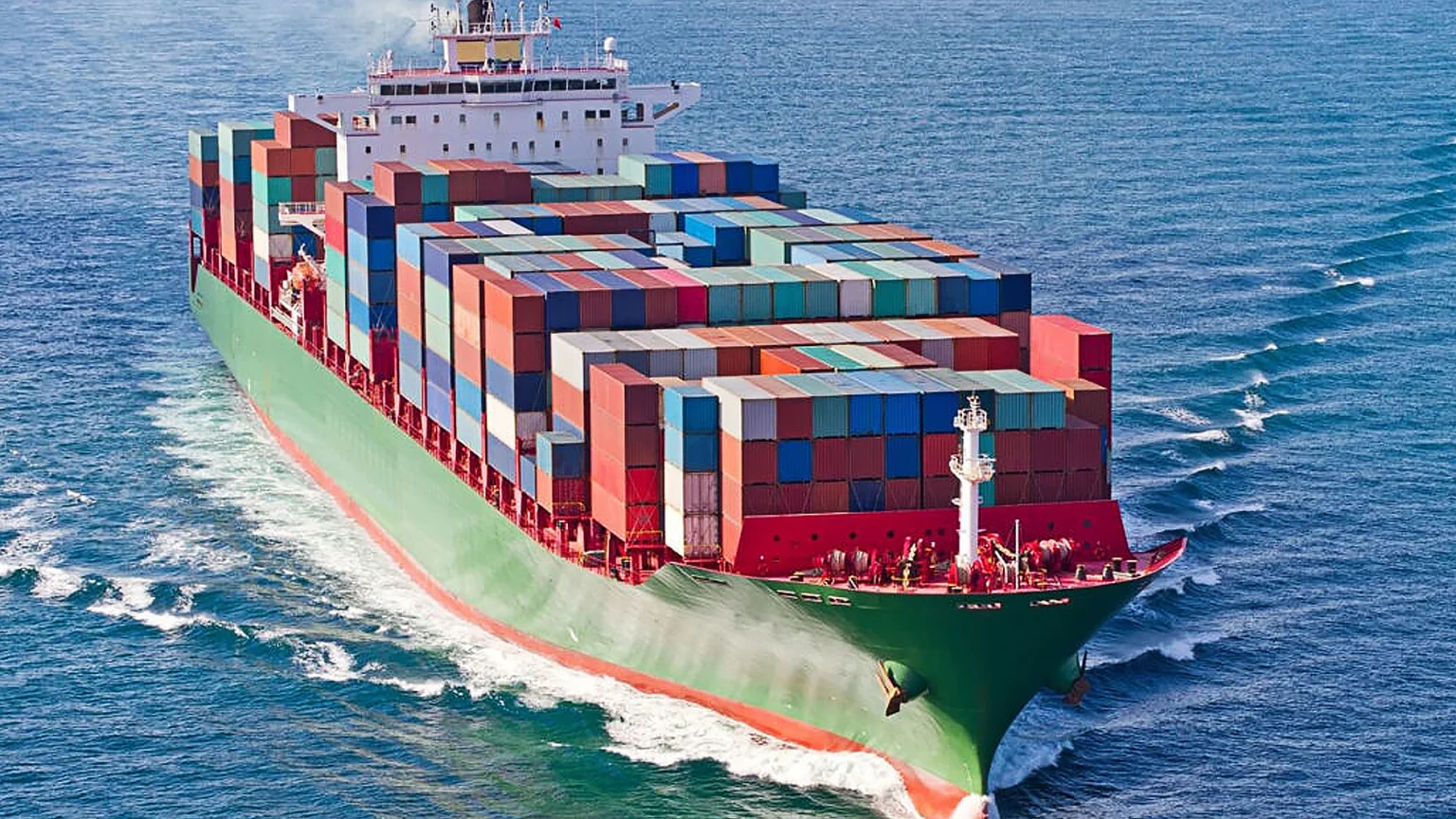
Escalating tensions involving the United States, Israel and Iran are raising fresh concerns about rising food prices in Nigeria as disruptions around the Strait of Hormuz threaten global trade and shipping routes.
The near closure of the strategic maritime corridor has pushed global oil prices to multi-month highs while simultaneously driving up freight costs, fuel prices and the cost of agricultural inputs—factors analysts say could reverse Nigeria’s recent gains in moderating food inflation.
Nigeria had only begun to see relief after the National Bureau of Statistics reported that inflation eased slightly to 15.10 percent in January 2026, down from 15.15 percent in December 2025. Food inflation slowed sharply to 8.89 percent year-on-year, the first single-digit reading in over a decade, as prices of staples such as maize, beans, yam, cassava and vegetable oils declined across markets.

However, analysts warn that the ongoing geopolitical crisis could quickly undo that progress.
The Strait of Hormuz, located between Iran and Gulf states, is one of the world’s most critical oil transit routes, carrying about 17 million barrels of crude daily in 2025. Disruptions there have triggered a surge in crude prices, with Brent crude rising above $85 per barrel, more than 10 percent higher since tensions escalated. Market analysts say prices could climb to $100 per barrel if the disruption persists.
While higher oil prices could boost Nigeria’s revenues—especially as the 2026 budget benchmark is set at $60 per barrel—the benefits may come with serious domestic costs.
Shipping companies have already imposed emergency surcharges. Freight costs for a 20-foot container to Lagos have risen to about $4,600, while 40-foot containers now cost around $5,600. War-risk insurance premiums have also jumped sharply, increasing the cost of transporting goods through the region.
Importers say these additional costs are likely to be passed on to consumers, potentially pushing up prices of food items, electronics, spare parts and industrial inputs.
Head of Research at the Sea Empowerment and Research Center, Eugene Nweke, warned that the conflict could fuel inflation through higher logistics costs and supply disruptions.
According to him, sustained disruption could push global oil prices to between $110 and $140 per barrel, generating up to $18–22 billion in additional oil revenue for Nigeria while potentially boosting GDP growth by about 1 to 1.2 percent in the short term.
Despite the potential windfall, he cautioned that rising logistics costs and exchange-rate pressures could push inflation up by three to five percent, particularly affecting food and transportation.
Meanwhile, fuel prices are already climbing locally, with petrol selling between ₦933 and ₦1,000 per litre, as marketers adopt cautious sales strategies amid uncertainty over replacement costs.
Industry group, the Major Energies Marketers Association of Nigeria, warned that if crude prices continue rising toward $90 per barrel, petrol pump prices could approach ₦1,100 per litre by April 2026.
Maritime analysts say prolonged disruption could also force ships to reroute around longer corridors, adding 10 to 14 days to delivery times to Nigerian ports and further increasing shipping costs.
Experts advise that Nigeria should channel any oil windfall into economic stabilisation, infrastructure and domestic refining to cushion the impact of global supply disruptions.
They also stress the need to strengthen maritime security and diversify trade routes to limit the ripple effects of geopolitical conflicts on the country’s economy.