It is a beautiful Saturday morning, and before we conclude that nothing is working in Nigeria, it is worth pausing to reflect on some basic economic principles.
As scholars of public policy and governance often emphasize, a stable currency is far more valuable than a loud, artificially strengthened one. Many Nigerians mistakenly equate exchange rate levels with currency strength. They are not the same. A currency’s real strength lies in confidence, reserves, productivity, and structural stability—not just in how low it trades against the dollar.
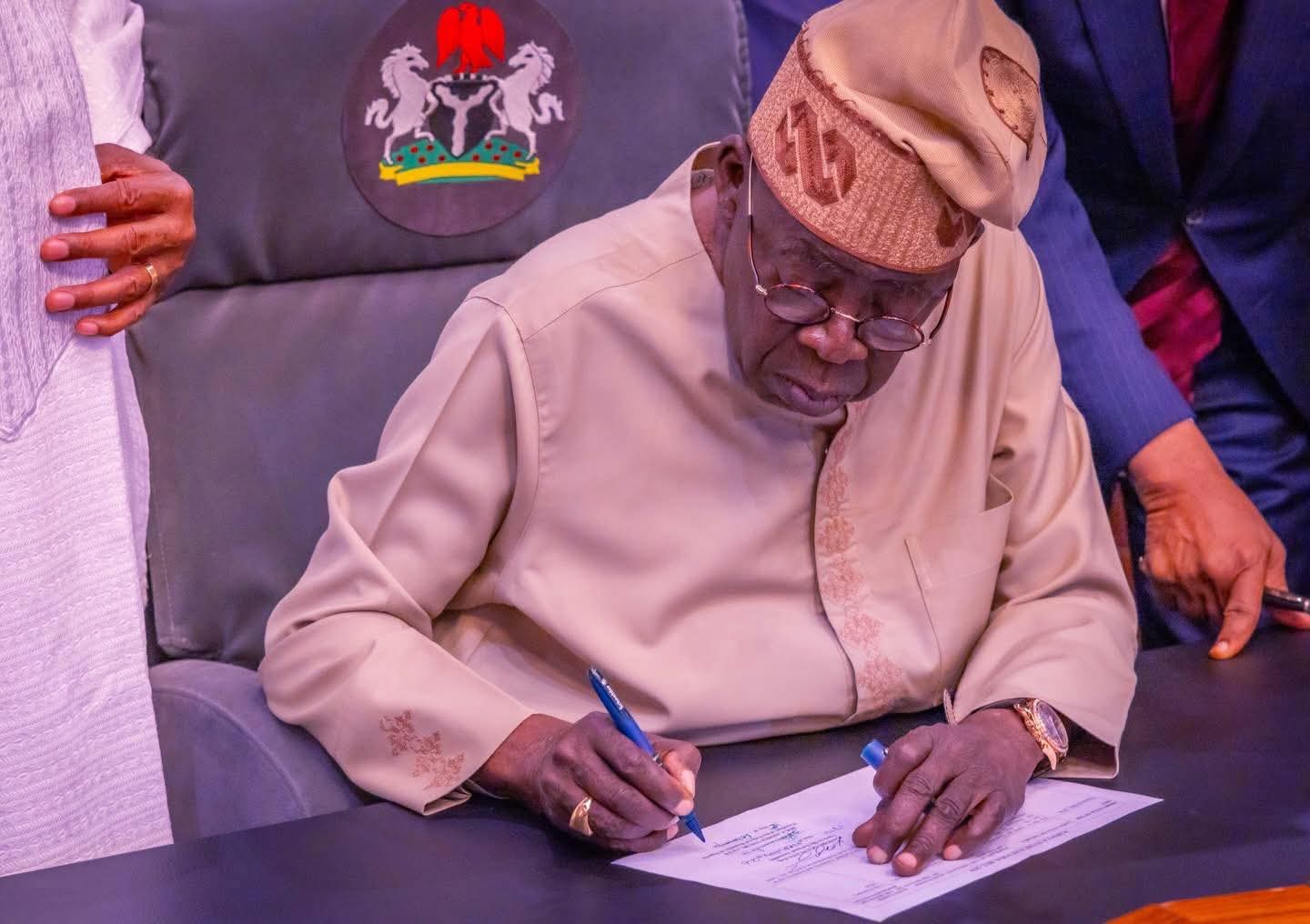
Under President Bola Ahmed Tinubu, Nigeria’s foreign reserves have reportedly climbed to nearly $51 billion—the highest level recorded since the administration of Umaru Musa Yar’Adua. Rising reserves signal improved liquidity buffers, stronger external positioning, and renewed investor confidence. That is not symbolic progress; it is structural reinforcement.
Why Reserves Matter
Higher foreign reserves enhance the capacity of the Central Bank of Nigeria to stabilize the naira, manage volatility, and support trade. When the central bank mops up excess dollar supply, it reflects active liquidity management—not panic. Stability in the foreign exchange market reduces speculation and improves planning for businesses and investors.
Consider oil revenue dynamics. If crude sells at $60 per barrel and the exchange rate is ₦1,300 per dollar, government naira revenue is substantially larger than it would be at ₦600 or ₦700 per dollar. While a sharply appreciating naira may feel emotionally satisfying, it could significantly shrink fiscal space in a country whose revenues are dollar-denominated but whose obligations—salaries, infrastructure, and local debt servicing—are largely in naira.
A carefully managed rate slightly above ₦1,300 can support exports, strengthen trade balance, and maintain dollar liquidity. Abrupt appreciation may reduce export competitiveness and reintroduce foreign exchange scarcity. Stability is often more strategic than spectacle.
Lessons from Global Industrialization
During their industrial expansion phases, countries like China and Japan strategically managed their currencies to protect domestic production and drive exports. Exchange rate policy, when coordinated with industrial policy, becomes a tool for long-term transformation.
Governance and Perspective
Economic restructuring is rarely dramatic in appearance. It is incremental, technical, and sometimes unpopular. But foundational reforms—strengthening reserves, stabilizing exchange markets, rebuilding confidence—often precede visible prosperity.
Economic management is not about applause; it is about architecture. Stability before spectacle. Production before pride.
God bless Nigeria.
Prof. Sandra Chidinma Duru
Stability Before Spectacle: Understanding Nigeria’s Currency Strategy