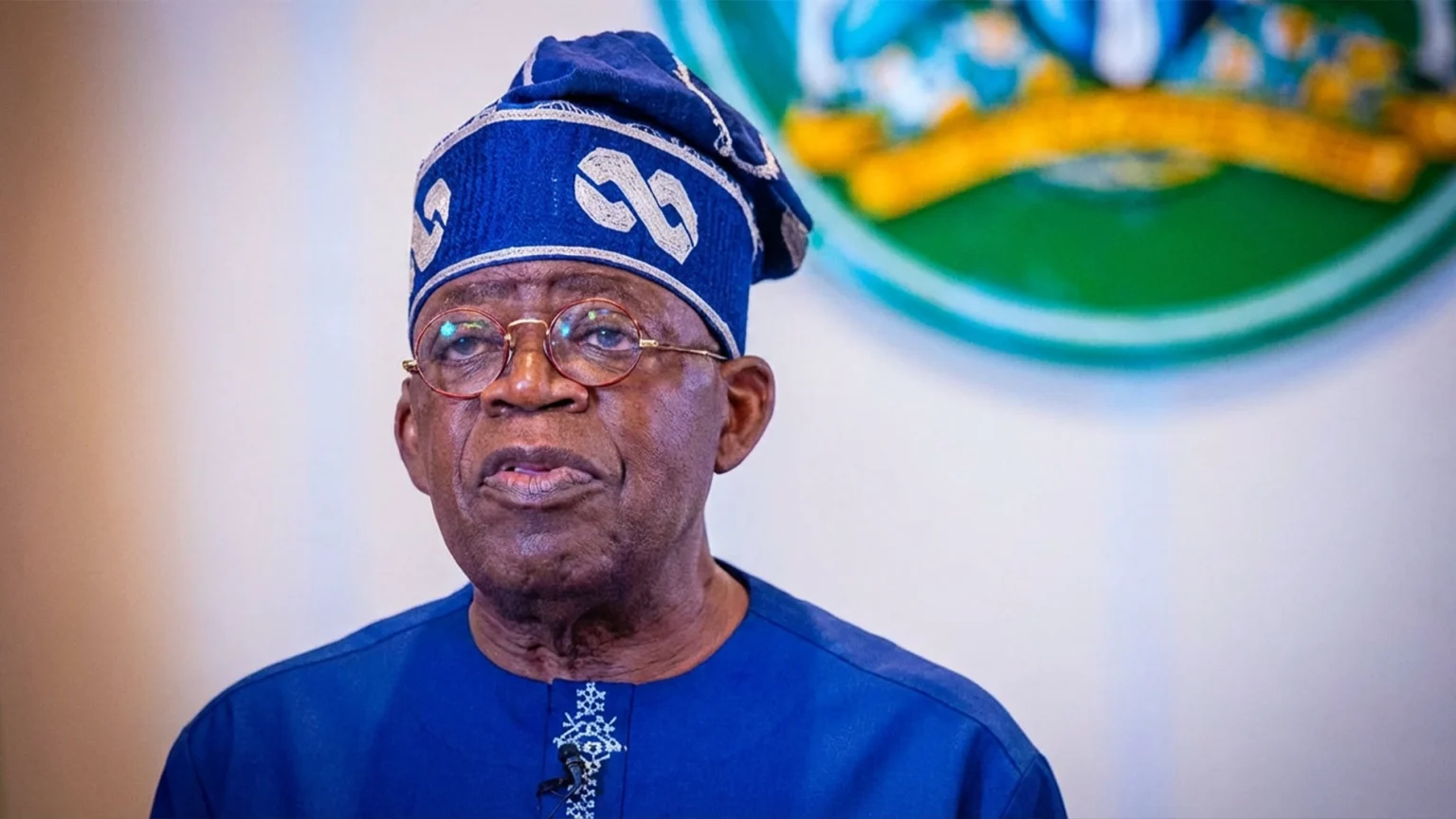
President Bola Ahmed Tinubu has renewed his push for the establishment of state police, calling on the Senate to urgently initiate constitutional amendments that would decentralise Nigeria’s policing structure and strengthen internal security.
Addressing senators during an interfaith Iftar at the Presidential Villa in Abuja on Wednesday night, the President said the country’s worsening security situation requires bold constitutional reforms. He urged lawmakers to begin the process of embedding state police in the 1999 Constitution, enabling states to take greater responsibility for protecting lives and property within their territories.
Tinubu painted a stark picture of the challenges confronting the nation — terrorism, banditry and insurgency — and stressed that the existing centralised policing framework can no longer effectively respond to evolving threats. According to him, empowering states with policing authority would help reclaim ungoverned spaces, curb criminality and restore confidence among citizens.
The call is consistent with the President’s sustained advocacy for security restructuring. In early 2024, he approved the creation of a joint federal-state committee to develop a workable framework for state policing after consultations with governors. He reiterated the demand in late 2025, urging the National Assembly to amend relevant laws to allow willing states establish their own police outfits.
At a December 2025 APC National Caucus meeting, Tinubu again pressed for constitutional reforms that would advance state police and strengthen local government autonomy. More recently, he declared that the reform “cannot wait,” underscoring its urgency in the face of persistent violence in parts of the country.
Framing the issue as a shared national duty, the President called for closer collaboration between the executive and legislative arms of government. He said Nigeria’s democratic foundation rests on unity and collective action, particularly during periods of crisis.
Beyond security matters, Tinubu expressed appreciation to the Senate for backing his administration’s economic reforms, including the removal of petrol subsidy and the unification of the foreign exchange market. He described the subsidy regime as a breeding ground for corruption and insisted that ending it was necessary to stabilise the economy and promote transparency.
The President maintained that the reforms have begun yielding positive results, pointing to improved macroeconomic stability and renewed investor confidence. He urged Nigerians to remain hopeful and resilient, assuring them that prosperity lies ahead with sustained effort and cooperation.
Responding to critics who accuse his administration of weakening opposition politics, Tinubu dismissed the claims, suggesting that political realignments were voluntary choices rather than acts of suppression.
He also reflected on the symbolic overlap of Ramadan and the Christian Lent season, describing it as a reminder of faith, sacrifice and national unity.
In his remarks, Senate President Godswill Akpabio pledged the upper chamber’s continued loyalty and partnership. He assured the President that executive proposals would receive thorough consideration and would not be stalled at the National Assembly.
Akpabio noted that while public reactions may sometimes be sceptical, the Senate carefully reviews all submissions to ensure they ultimately serve the national interest. He commended the administration’s reform agenda and expressed optimism about Nigeria’s economic trajectory in the coming years.
The evening concluded with prayers for peace, wisdom and strength for Nigeria’s leaders as they confront the country’s pressing security and economic challenges.
Tinubu Rallies Senate for Urgent Constitutional Reform on State Police