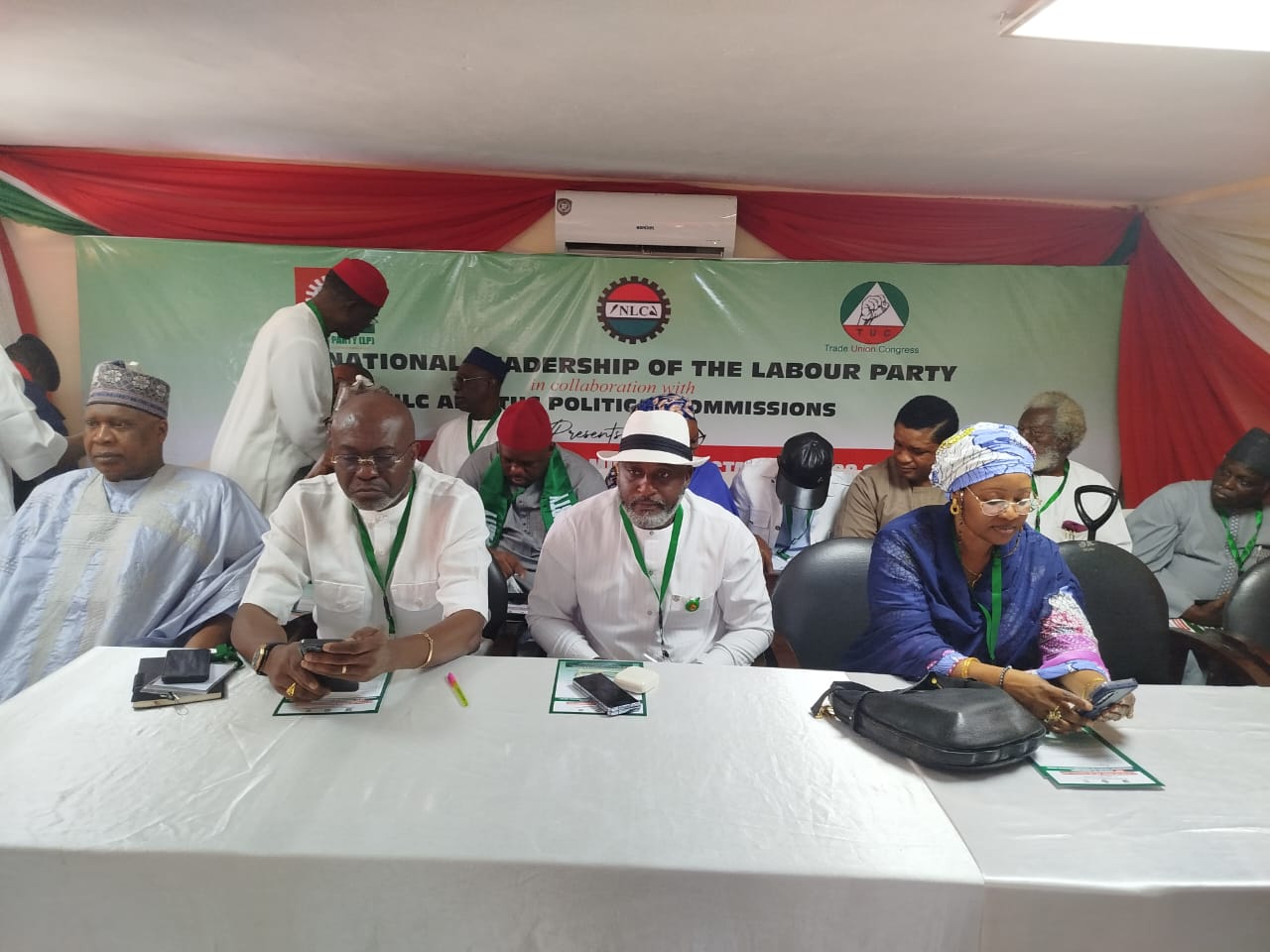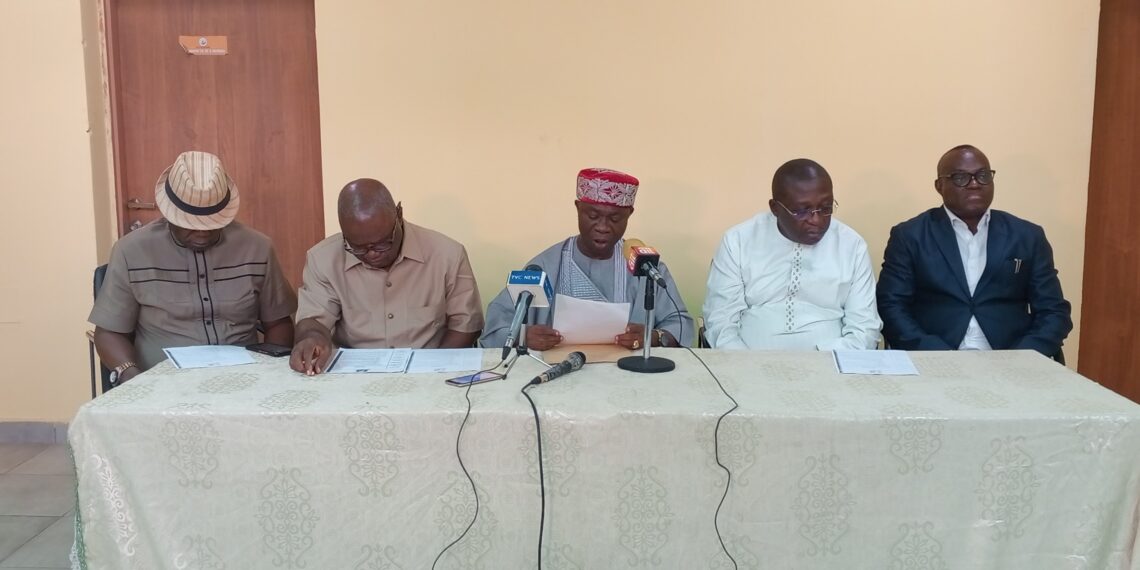
The Labour Party is undergoing its most ambitious internal reset yet, aiming to convert lessons from the 2023 elections into a stronger, more disciplined force ahead of 2027. At a strategic summit in Abuja themed “Reuniting the Labour Party: Consolidating Strength for Sustainable Political Impact,” party leaders outlined a comprehensive plan to transform its grassroots structures, unify members, and solidify nationwide reach.
National Chairman Nenadi Usman delivered a candid appraisal of the party’s 2023 shortcomings. She argued that while debates raged over electronic result transmission, Labour’s real challenge lay in organization.
“Without knowing who your members are, where they are, and how many you are, you can never plan effectively,” Usman said. She noted that post-election court battles highlighted critical gaps, including a lack of verified polling-unit agents and incomplete documentation of results, which weakened the party’s legal claims.
Yet, she emphasized that Labour’s strength has always existed in its organic workforce. “There is no polling unit in this country where you don’t find either a serving worker or a retired worker. We are everywhere. What we lacked in 2023 was coordination, not presence.”
To address these structural weaknesses, the party is launching a dual manual and electronic membership registration drive. Every member will be documented, every polling unit accounted for, and the information will directly feed into ward, state, and national congresses. Usman stressed that leadership positions will reflect verifiable membership data, reinforcing internal democracy and accountability.
She also tackled lingering internal disputes, urging aggrieved members to participate through democratic channels. “If anyone strongly feels they must occupy a position, the congresses are here. Go out and contest,” she said.
Adding political weight to the summit, Abia State Governor Alex Otti, through his deputy Ikechukwu Emetu, highlighted his state as a model for what Labour Party governance can achieve. From infrastructure development to fiscal discipline and institutional reforms, Abia demonstrates that the party is capable of translating campaign promises into accountable, people-centered governance.
“Elections are not won in the election year alone,” Emetu emphasized.
“They are won through consistent engagement, credible governance, and sustained connection with the electorate.” He called for real reconciliation, not symbolic gestures, urging leaders to build trust and strengthen structures nationwide.
The summit underscored a hard pivot from 2023’s momentum-based approach to a machinery-driven strategy.
The new operational doctrine is to
Register every member, Secure every polling unit, Strengthen internal democracy, Communicate governance achievements and to
Build alliances and Engage consistently.
Usman summed up the party’s mission succinctly: “The basic foundation is what we are doing today — to make sure our members are registered and that we know where they are.”
The message from Abuja is unmistakable: before Labour can win Nigeria, it must first organize Nigeria — polling unit by polling unit. The rebuilding has begun, signaling a strategic, structural, and sustainable approach to national politics.
Labour Party rebuilds grassroots machinery, targets 2027 elections