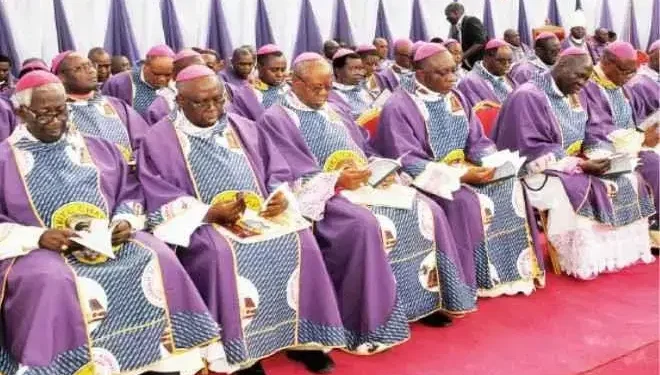
Nigeria’s Catholic bishops have issued a sobering warning: the nation’s deepening insecurity and declining voter participation could weaken the very foundation of its democracy if urgent steps are not taken before the 2027 general elections.
At its 2026 First Plenary Meeting in Abuja, the Catholic Bishops’ Conference of Nigeria (CBCN) painted a grim picture of a country grappling with fear, grief and growing public disillusionment.
Delivering the Conference’s position, CBCN President, Lucius Iwejuru Ugorji, described the security situation as “deeply troubling,” pointing to recurring kidnappings and killings across several states. He said communities continue to suffer relentless attacks, with families left in mourning and many Nigerians living in anxiety.
The bishops condemned the reported killings in Woro and Nuku communities of Kwara State, warning that armed groups appear to be exploiting gaps in the nation’s security framework and striking with minimal resistance.
While acknowledging efforts by the administration of President Bola Ahmed Tinubu, including the declaration of a national security emergency, the CBCN maintained that responses have largely been reactive.
“To effectively tackle insecurity, government must go beyond declarations and invest in modern surveillance technology and intelligence systems,” Ugorji said, stressing that perpetrators often operate openly without being traced or apprehended through digital footprints.
The Conference also voiced unease over delays in prosecuting terror suspects and the reintegration of former insurgents through programmes such as Operation Safe Corridor. It cautioned that such measures, if not handled transparently and decisively, risk eroding public confidence and creating perceptions of official complicity.
On the electoral front, the bishops described declining voter turnout as a serious red flag. According to them, low participation signals waning trust in the electoral process and raises concerns about the legitimacy of elected leaders.
They urged the National Assembly to revisit the amended Electoral Act and make real-time electronic transmission of results compulsory, insisting that the will of the electorate must be safeguarded.
In his homily at the opening Mass, the Archbishop of Abuja Diocese, Ignatius Kaigama, called on political and religious leaders to exercise authority responsibly. He expressed hope that the 2027 elections would reflect the genuine choice of Nigerians, emphasizing that every vote must count.
As the countdown to 2027 begins, the bishops’ message is clear: restoring security and rebuilding trust in the ballot are not optional — they are essential to the survival of Nigeria’s democracy.
Catholic Bishops Warn: Insecurity, Low Voter Trust Threaten 2027 Elections