The Executive Chairman of the Nigeria Revenue Service (NRS), Mr Zacch Adedeji, has underscored the centrality of technology in Nigeria’s evolving tax architecture, urging sub-national tax authorities to align with ongoing digital reforms to curb leakages and deepen transparency.
Adedeji spoke in Abuja at a stakeholder engagement forum organised by the Federal Capital Territory Internal Revenue Service (FCT-IRS), themed “Harmonising Revenue Systems and Implementing New Tax Laws.” He was represented by the Executive Secretary of the Joint Revenue Board, Mr Olusegun Philip Adesokan.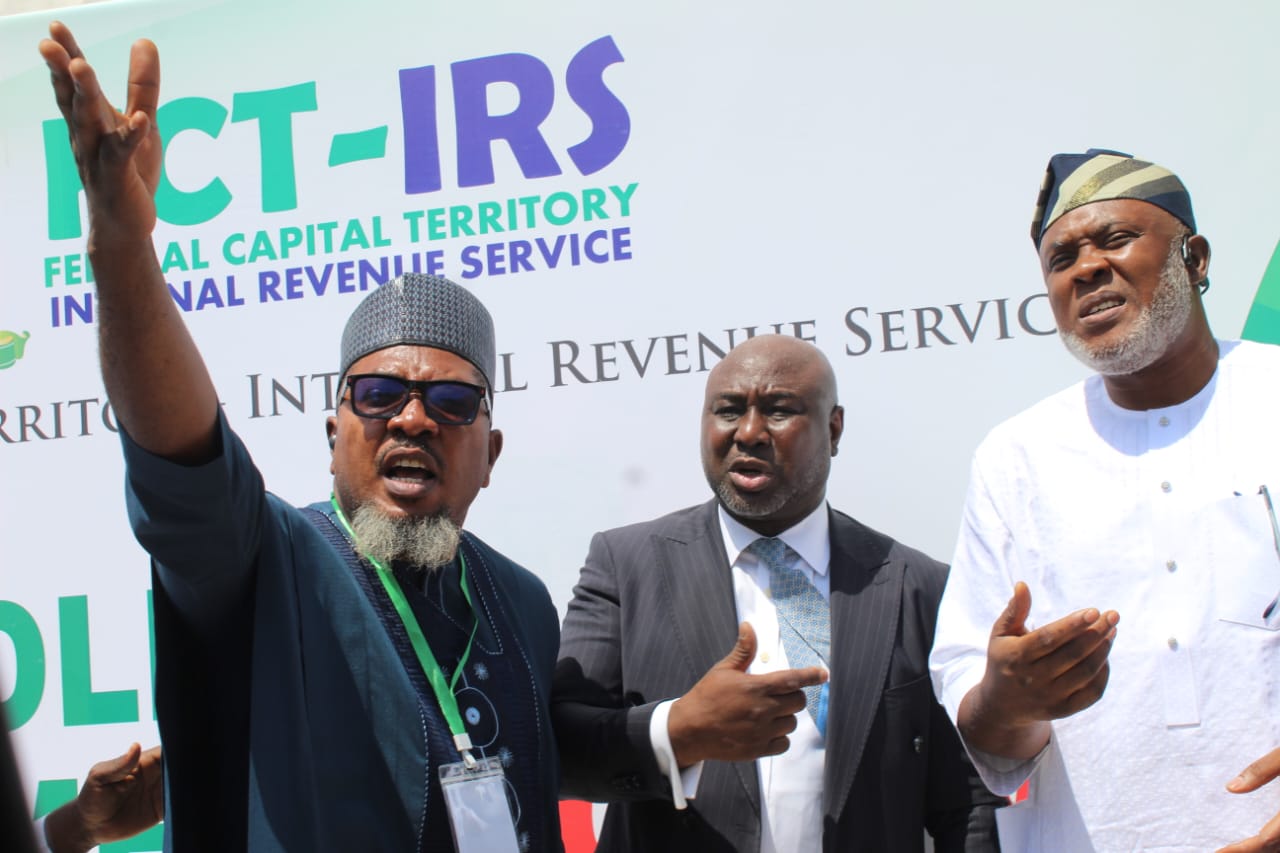
Describing technology as the backbone of modern tax administration, the NRS boss said digital integration would not only simplify compliance but also strengthen accountability and improve revenue efficiency across federal and state levels.
He noted that Nigeria’s sweeping fiscal reforms, being driven under President Bola Ahmed Tinubu, are designed to reposition the country’s revenue framework toward equity, sustainability and improved public finance management.
According to him, harmonised systems powered by digital infrastructure will enhance coordination among tax authorities, reduce duplication and build public trust in the tax process.
FCT-IRS Signals Shift Toward Partnership
In his remarks, the Acting Executive Chairman of FCT-IRS, Michael Ango, framed the engagement as a departure from routine tax briefings, describing it as a platform for strategic partnership rather than enforcement rhetoric.
“We are not here to lecture you about your obligations or showcase revenue figures. We are here to share our vision and build consensus on how to achieve it together,” he told participants.
Ango stressed that economic growth is anchored at the grassroots, explaining that sustainable national progress depends on the productivity and compliance of businesses and residents within communities.
He highlighted the Service’s renewed focus on building a tax administration system that meets global standards, leveraging digital tools, institutional collaboration and its membership of the Joint Revenue Board to streamline processes.
The FCT-IRS chief also linked improved revenue collection to visible infrastructure expansion and enhanced security within the capital territory, describing recent development strides as deliberate outcomes of effective internally generated revenue.
“Reliable revenue ensures predictable funding for infrastructure, security and public services. Taxation is not merely an obligation; it is the engine of a liveable and functional capital city,” he said.
Ango reaffirmed that voluntary compliance remains the cornerstone of the Service’s strategy, with enforcement measures reserved strictly as a last resort.
Clarity, Cooperation and Compliance
Earlier, the Director of Taxpayers Services at FCT-IRS, Chinwe Ndu, described the forum as a vital interface between policymakers and the tax-paying community.
She said the workshop aims to deepen understanding of new tax laws, encourage voluntary compliance and enhance ease of doing business within the FCT.
“Tax thrives on collaboration rather than confusion. Our goal is to design and implement a framework that is practical, transparent and beneficial to all stakeholders,” she said.
The forum brought together government officials, private sector leaders and tax professionals, reinforcing the consensus that digital innovation and institutional alignment are indispensable to Nigeria’s fiscal transformation agenda.
Tax Reforms: Digital Integration Key to Transparent Revenue System — NRS