The Christian Association of Nigeria (CAN), Niger State chapter, has strongly condemned the passage of the controversial Hisbah law by the Niger State House of Assembly, urging Governor Umaru Mohammed Bago not to sign it into law.
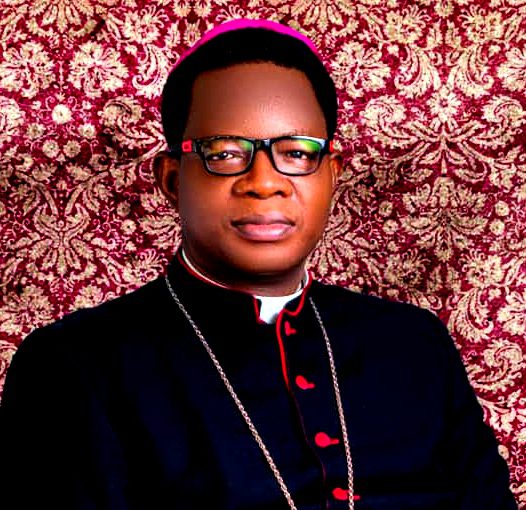
In a sternly worded letter titled “The Christian Association of Nigeria (CAN) Niger State Say No to Hisbah Law”, the CAN Chairman, Most Reverend Dr. Bulus Dauwa Yohanna, who is also the Catholic Bishop of Kontagora Diocese, warned that the law, if assented to, could deepen religious divisions in the state. A copy of the letter was made available to newsmen in Minna on Sunday.
“Why Hisbah law in Niger? What is the aim? Of what benefit is it to our people economically and socially?” the CAN Chairman questioned. He stressed that Christians in the state would not be subject to the law and criticized lawmakers for failing to consider the social and economic consequences of passing it.
Dr. Yohanna urged the Speaker and members of the State House of Assembly to withdraw the bill unless their intent was “to incite or anger a major group of people.” He also dismissed claims by Hon. Isah Muhammad Etsugaie, Chairman of the joint House Committees on Religious Affairs, Judiciary, and Legal Matters, that the bill had been subjected to public hearings. According to CAN, the association was neither invited nor notified, signaling a marginalization of Christian stakeholders.
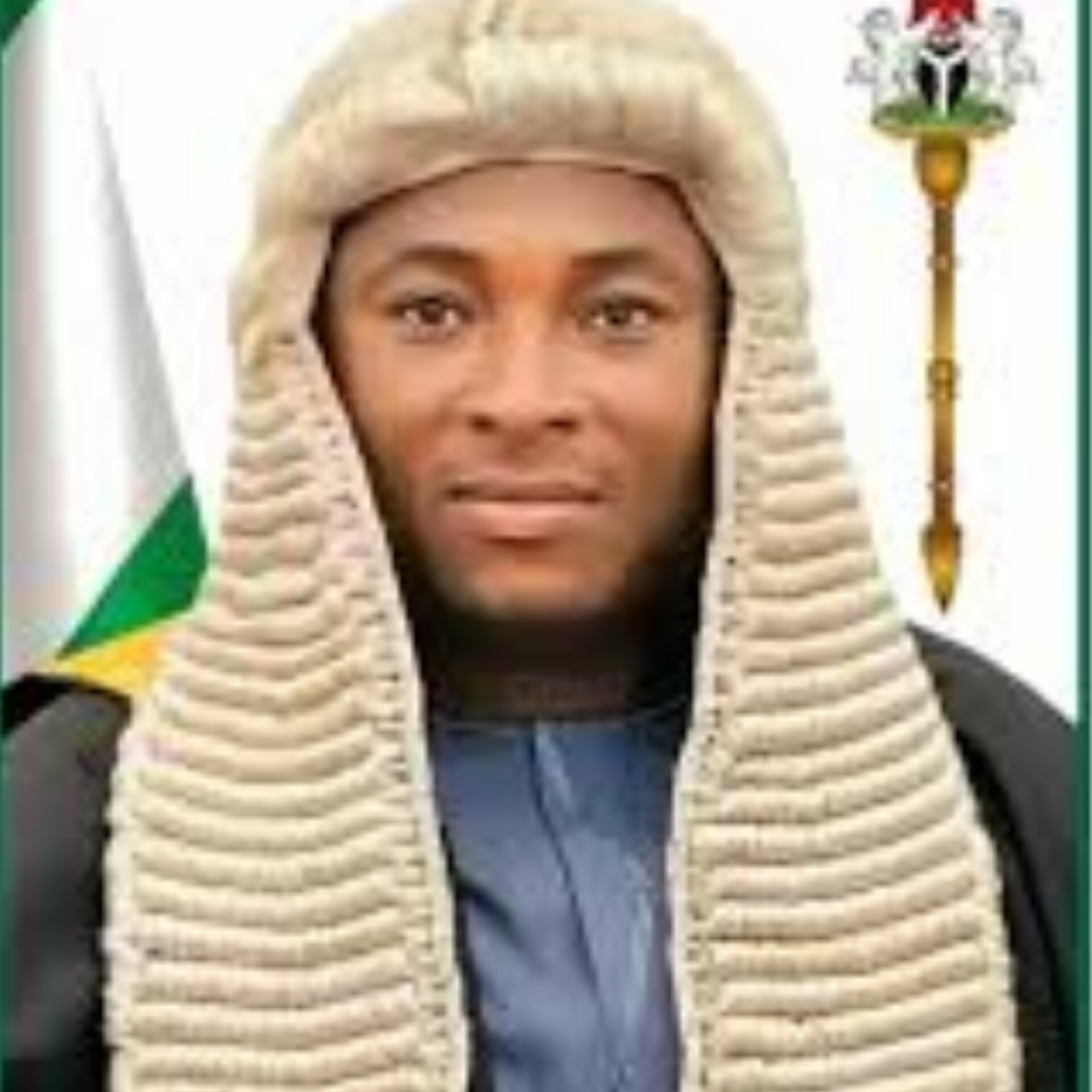
The CAN leader described the bill, sponsored by Hon. Mohammed Abubakar, representing Chanchaga Constituency, as “controversial” and warned the governor against signing it into law.
“Niger State is not predominantly Muslim,” Dr. Yohanna said. “We should focus on unity rather than divide the people along religious lines. For the interest of peace and cohesion, I urge Governor Bago not to assent to this bill.”
He further reminded the governor that during elections, Christians voted without religious bias and did not support the passage of a law that could foster disaffection or unrest.
Highlighting economic concerns, the CAN Chairman noted that since the advent of Shari’a law in 2001, Niger State has suffered economically, with businesses closing and investors relocating to other states where economic opportunities have thrived. “Such a law can only reinforce perceptions of Christian marginalization and may be seen as a tool for persecution,” he warned.
Dr. Yohanna also emphasized that Nigeria already has constitutional institutions for enforcing law and order, including the Nigeria Police, Nigeria Security and Civil Defence Corps, and recognized vigilante groups. “Our leaders and lawmakers should focus on initiatives that add value to our state and benefit all citizens, regardless of religion,” he said.
He concluded by calling on well-meaning citizens of all faiths and political affiliations to speak out against the bill, cautioning that its enactment could create friction in the daily lives of non-Muslims and threaten social harmony in Niger State.
The Hisbah law, which establishes state-backed religious policing to enforce Shari’a norms, has previously generated controversy in other Northern states. CAN’s warning underscores the growing tension in Niger over balancing religious legislation with the state’s secular constitution and diverse population.
CAN Warns Niger Governor Against Signing Controversial Hisbah Law