The Federal Government has unveiled Investment Budgeting as a central pillar of the 2026 Budget, signalling a major shift in how public resources will be deployed to drive long-term economic growth and development.
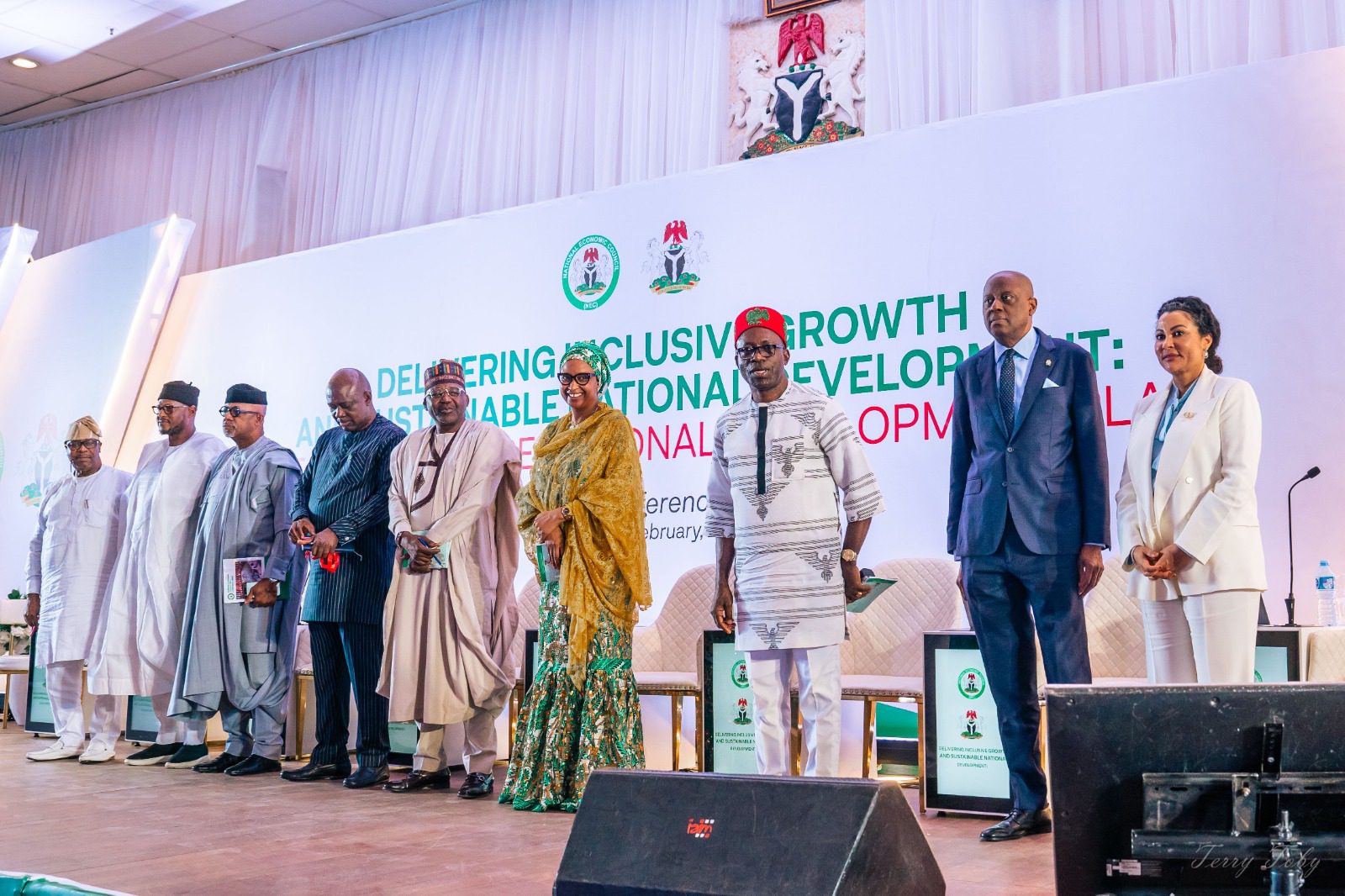
Speaking at the National Economic Council in Abuja and during the 2026 Budget defence sessions, Dr. Doris Uzoka-Anite, Minister of State for Finance, explained that President Bola Ahmed Tinubu directed the inclusion of Investment Budgeting to transform the budget from a fiscal document into a strategic growth execution tool. The initiative aligns with the Renewed Hope National Development Plan (2026–2030), aimed at building a one trillion-dollar economy.
“Achieving our economic ambition requires more than recurrent spending or traditional capital allocations. It requires structured investment that deliberately mobilises private capital at scale,” Dr. Uzoka-Anite said.
Unlike conventional budgeting, which balances recurrent and capital expenditure, Investment Budgeting introduces a third pillar that leverages limited public funds to attract private investment into priority sectors. This approach will catalyse growth in infrastructure, agriculture, manufacturing, energy, housing, digital infrastructure, transport, and logistics, generating long-term economic returns through productive assets.
Dr. Uzoka-Anite noted that Nigeria’s fiscal realities—constrained revenues and high debt obligations—make public funding alone insufficient to close the country’s infrastructure gap. At current spending levels, bridging Nigeria’s infrastructure deficit could take over a century. Investment Budgeting addresses this challenge by crowding in private capital through mechanisms such as public-private partnerships (PPPs) and blended finance, with structured revenue streams to secure investor returns.
The Minister further stressed that this framework integrates private sector participation from project conception, focuses on income-generating assets, and ensures that public investment catalyses additional economic activity rather than merely financing operations.
“Investment Budgeting is not optional. It is essential to lifting incomes, creating jobs, and delivering lasting prosperity for Nigerians,” she said.
The reform complements previous stabilization measures under the Tinubu Administration, including fuel subsidy removal and foreign exchange reforms, providing a bridge from macroeconomic credibility to inclusive, results-driven growth.
By embedding Investment Budgeting into the 2026 Budget, the Federal Government institutionalises a mechanism to shift Nigeria from incidental growth to intentional, high-impact development, creating opportunities for job creation, export expansion, and sustainable revenue generation.
With this initiative, Nigeria is poised to unlock new investment avenues, accelerate economic development, and improve living standards nationwide, reaffirming the Tinubu Administration’s commitment to transforming the Nigerian economy and delivering prosperity for all citizens.
FG Introduces Investment Budgeting to Accelerate Economic Growth