Nigeria on Tuesday began a major shift in fertilizer policy as stakeholders in Abuja validated the Harmonized Fertilizer Manual, ending decades of blanket application in favour of site-specific, science-based practices.
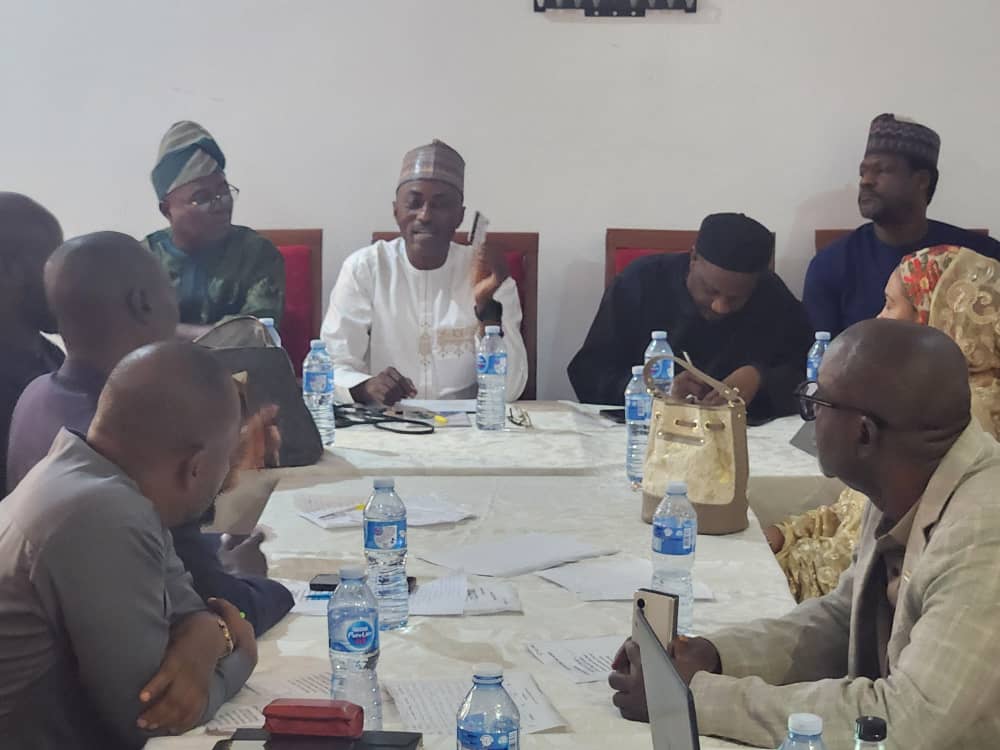
The validation workshop, held at Musada Luxury Hotels in Wuse II, brought together policymakers, soil scientists, development partners, regulators, and private sector players under the coordination of the Federal Ministry of Agriculture and Food Security. At the centre of discussions was a growing consensus: Nigeria’s long-standing “one-size-fits-all” fertilizer approach is no longer fit for purpose in a country with diverse soils, crops, and agro-ecological zones.
Opening the workshop, the Director of Farm Inputs Support Services (FISS), Mr. Abana Waziri Abba, warned that low soil fertility remains one of the most critical but underestimated drivers of poor agricultural output in the country. He said that while fertilizer remains a key input for increasing yields, misuse and misapplication have limited its impact and, in some cases, worsened farmers’ losses.
“For years, fertilizer application has been guided by blanket recommendations that do not reflect the diversity of our soils or the economic realities faced by farmers,” Abba said. “This often leads to over-fertilization in some areas, under-fertilization in others, and the application of the wrong nutrient balance. The result is inefficiency, low returns, and environmental risks.”
The Harmonized Fertilizer Manual, he explained, is designed to change that narrative by promoting precision agriculture—ensuring that farmers apply the right nutrients, at the right rate, at the right time, and in the right place. The manual aligns fertilizer use with soil testing, crop requirements, and location-specific conditions, marking a shift toward more efficient and sustainable farming practices.
Beyond productivity, Abba stressed that the reform has direct implications for public health. He noted that poor soil nutrition often translates into crops deficient in essential micronutrients, contributing to what experts describe as “hidden hunger”—a form of undernutrition caused by a lack of vitamins and minerals in food.
“Healthy soils give rise to healthy plants, and healthy plants give rise to healthy lives,” he said. “This effort is not only about food security, but also about nutrition security and human well-being.”
Participants at the workshop echoed these concerns, arguing that Nigeria can no longer afford fertilizer policies that prioritize volume over value. Several experts noted that indiscriminate fertilizer use has failed to deliver commensurate yield gains, despite heavy public investment and subsidy programmes over the years.
Development partners and researchers at the meeting described the manual as a bridge between science and policy, capable of improving farmers’ incomes while reducing waste and environmental degradation. They emphasized that proper implementation would require strong extension services, farmer education, and collaboration between federal and state governments.
The validation process itself is expected to fine-tune the manual, incorporate stakeholder feedback, and ensure that recommendations are practical and adaptable across Nigeria’s farming systems. Once adopted, the document is expected to guide fertilizer formulation, distribution, and advisory services nationwide.
Agricultural analysts see the move as timely, especially amid rising fertilizer costs, climate pressures, and renewed urgency around food security. With Nigeria seeking to reduce food imports and stabilize prices, improving soil productivity is increasingly viewed as a strategic national priority.
As deliberations continued, participants expressed cautious optimism that the Harmonized Fertilizer Manual could mark a turning point—provided it is backed by political will, adequate funding, and consistent implementation.
If successful, the shift from blanket fertilizer use to precision, soil-based recommendations could redefine how Nigeria feeds itself—more efficiently, more sustainably, and more nutritiously.
Nigeria Ends Blanket Fertilizer Use, Adopts Precision Farming Framework