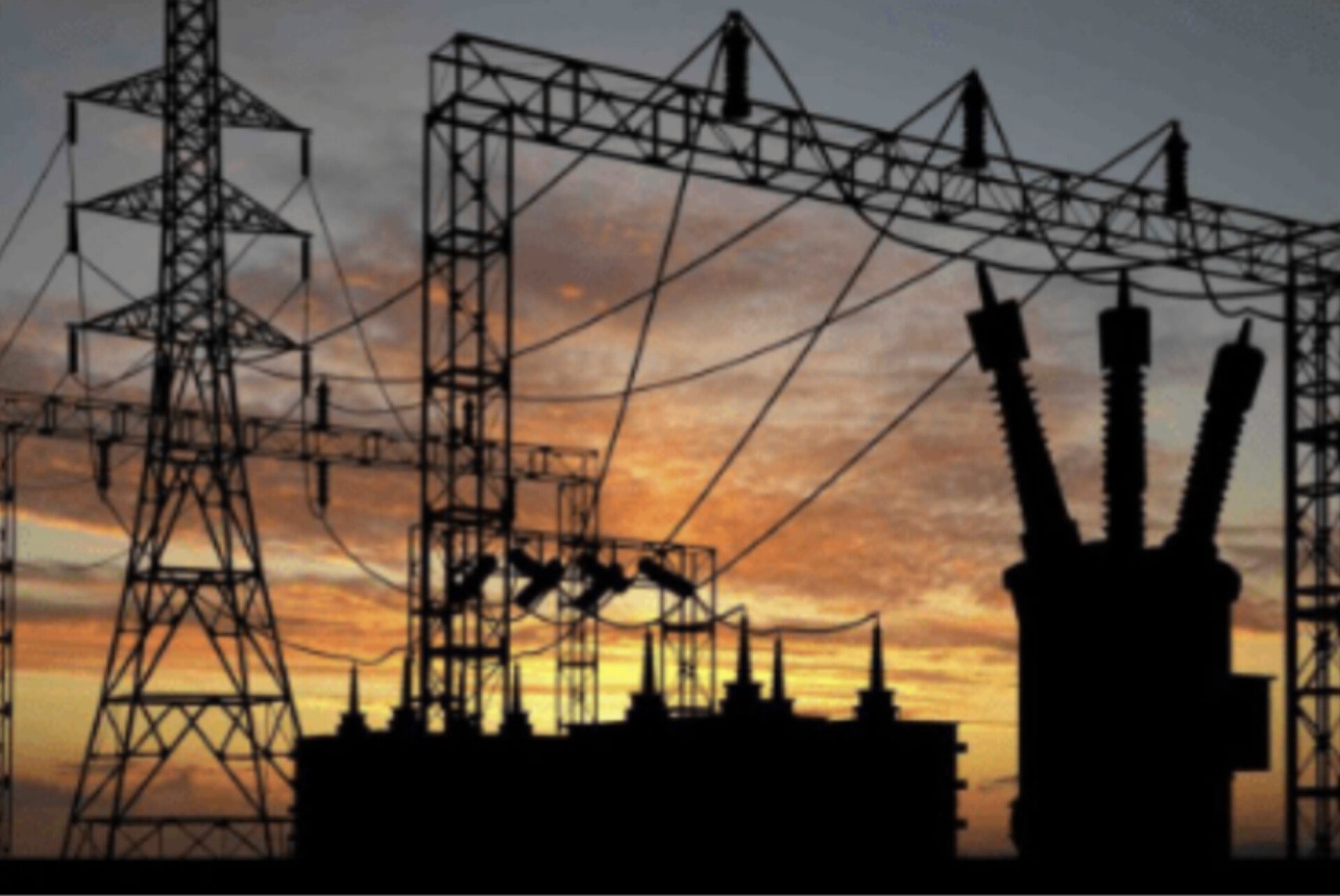
Nigeria was thrown into darkness on Friday afternoon following a system disturbance on the national electricity grid, once again exposing the deep vulnerabilities within the country’s power infrastructure.
The outage occurred at about 12:40 p.m., when the national grid reportedly experienced a sudden collapse, forcing electricity supply to all parts of the country to shut down almost simultaneously. Findings show that load allocation to all electricity distribution companies (DisCos) dropped to zero megawatts, effectively cutting off power to homes, businesses, hospitals and public institutions nationwide.
Although restoration efforts were said to be ongoing as of Friday afternoon, authorities are yet to provide an official explanation for the disturbance or a clear timeline for when full power supply will be restored. Power sector operators confirmed that engineers were working to stabilise the grid and gradually restore generation and transmission.
The incident marks the first nationwide grid disturbance recorded in 2026, but it follows a long history of similar collapses that have repeatedly disrupted economic activity and daily life across the country. Over the years, Nigeria’s national grid has suffered multiple partial and total collapses, often triggered by equipment failure, transmission constraints, or sudden drops in generation.
Friday’s blackout immediately affected major cities including Lagos, Abuja, Port Harcourt, Ibadan, Benin, Onitsha and Kano, with residents reporting sudden power loss and disruptions to businesses reliant on electricity. Many commercial operators were forced to switch to generators, further increasing operating costs in an already challenging economic environment marked by high fuel prices.
Experts have long warned that Nigeria’s power grid remains fragile due to aging infrastructure, limited transmission capacity, and inadequate investment. Despite having an installed generation capacity of over 13,000 megawatts, the country often struggles to transmit and distribute more than a fraction of that output, leaving supply highly vulnerable to disturbances.
The recurring grid failures also raise concerns about the broader impact on economic productivity. Manufacturers, small businesses and service providers continue to rely heavily on self-generated power, a situation that increases production costs and weakens competitiveness. For households, repeated blackouts compound living difficulties, especially in densely populated urban areas.
Power sector analysts note that while incremental improvements have been recorded in generation and market reforms, the transmission network remains a critical weak link. Without significant upgrades, redundancy systems and grid stability mechanisms, system disturbances are likely to persist.
As of the time of filing this report, the Transmission Company of Nigeria (TCN) had not issued a detailed statement on the cause of the disturbance. However, sector insiders said investigations were ongoing to determine whether the incident resulted from technical faults, system imbalance or external disruptions.
The latest blackout once again places the spotlight on the urgent need for comprehensive reforms, sustained investment and stronger coordination across Nigeria’s electricity value chain. Until such structural issues are addressed, nationwide grid disturbances may continue to remain a recurring feature of the country’s power landscape rather than isolated incidents.
National Grid disturbance plunges Nigeria into nationwide blackout