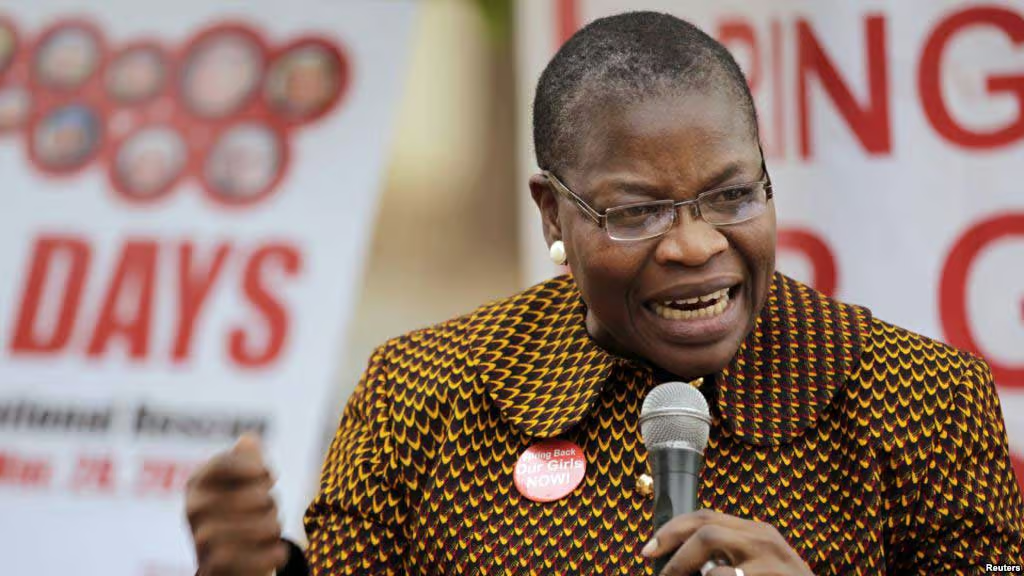
The recent demolition of homes in Makoko has triggered renewed national reflection on how Nigeria’s cities are governed, following an open memorandum by former Minister of Education Obiageli Ezekwesili that questions the place of the urban poor in Lagos’ development vision.
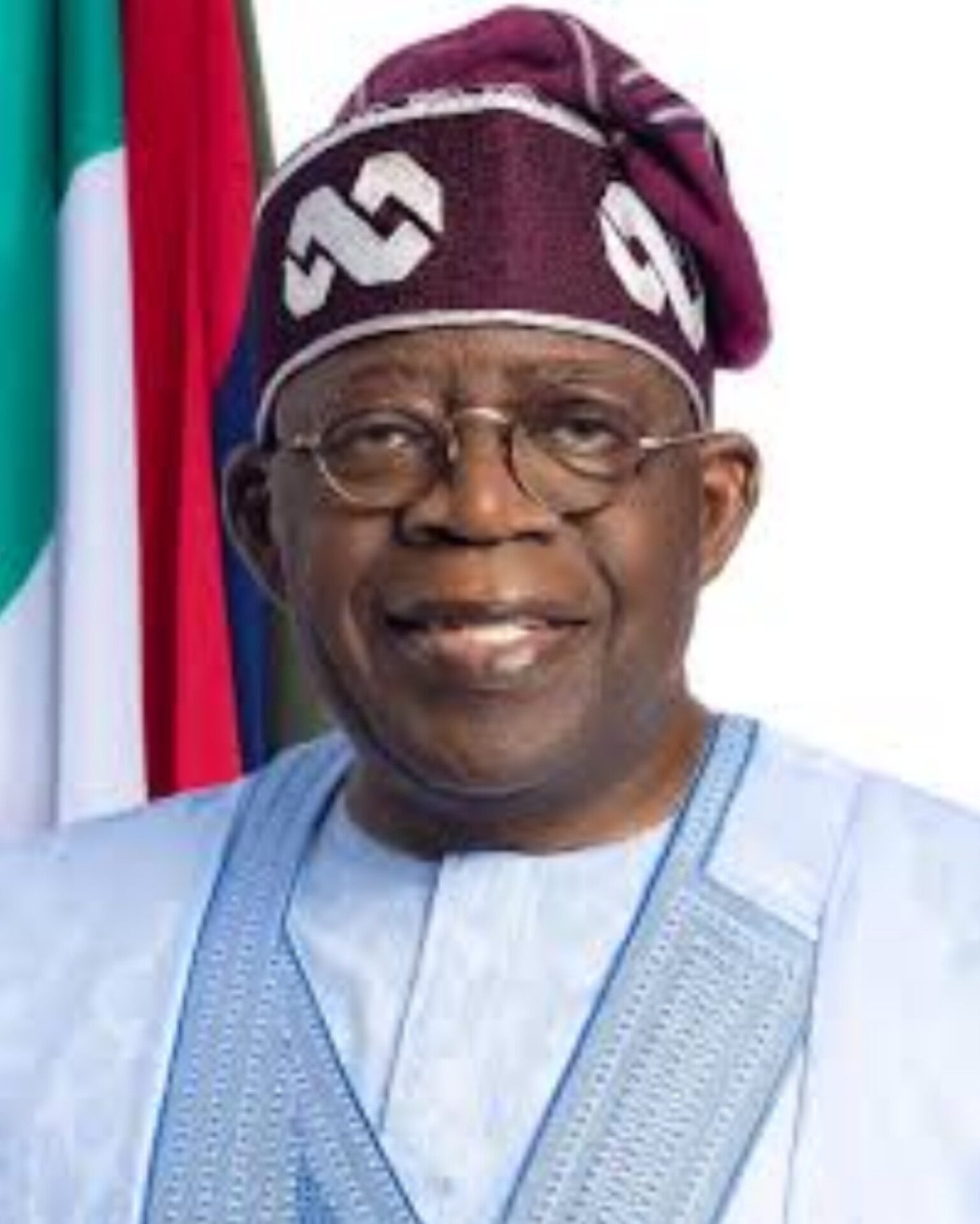
Addressing President Bola Tinubu and Lagos State Governor Babajide Sanwo-Olu, Ezekwesili framed the Makoko demolitions not simply as a housing dispute, but as a defining test of citizenship, dignity, and inclusive governance in Africa’s largest city.
She challenged the notion that poverty diminishes belonging, arguing that Makoko residents are full citizens whose lives, labour, and aspirations form part of Lagos’ social and economic fabric. According to her, the disruption of family life, schooling, and livelihoods raises serious concerns about the human cost of urban policy decisions.
A key issue raised in the memorandum was the gap between official assurances and on-ground execution. Ezekwesili said community leaders were initially told demolitions would be restricted to areas close to high-tension power lines, within legally acceptable safety margins. Reports indicating that the exercise extended far beyond those limits, she noted, suggest deeper governance and accountability problems.
She argued that when state actions exceed agreed boundaries without clear public explanation, they risk eroding trust and blurring the line between lawful urban management and arbitrary use of power.
Beyond legality, Ezekwesili highlighted the humanitarian fallout of the demolitions. Thousands of residents, she said, have been left without shelter, while children have been pulled out of school and families exposed to disease, hunger, and insecurity. Such outcomes, she warned, undermine the very foundations of social stability.
Looking forward, the former minister urged a shift away from force-driven urban renewal toward people-centred development. She advocated planning models that upgrade communities in place, provide secure tenure, improve sanitation, and integrate informal settlements into the formal city rather than erase them.
Ezekwesili cautioned that cities are ultimately judged not by skyline projects but by how they treat their most vulnerable residents. In her view, Lagos’ global aspirations depend on its ability to balance growth with justice and inclusion.
As debate over the Makoko demolitions continues, her intervention has reframed the issue as more than a local controversy, positioning it as a national conversation about what kind of cities Nigeria is building—and for whom.
Makoko Demolitions Cast Spotlight on Lagos’ Urban Future, Citizenship Questions — Ezekwesili