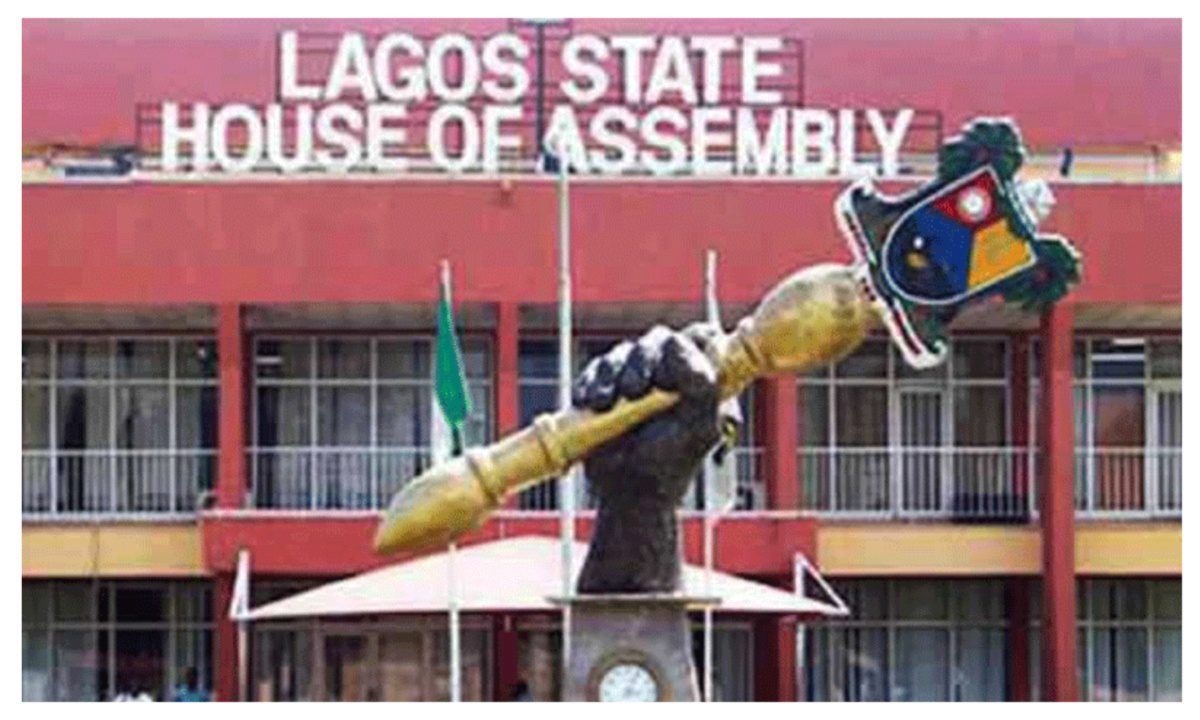
The Lagos State House of Assembly’s endorsement of the ongoing demolition of structures along shorelines and beneath high-tension power lines has brought into sharp focus the growing tension between urban safety enforcement and social displacement in Africa’s largest city.
While the Assembly insists the exercise is a necessary step to prevent disasters and restore urban order, affected communities—particularly in Makoko and Oworonsoki—say the demolitions have left families suddenly homeless, deepening mistrust between residents and the state.
Speaking on behalf of the Assembly, the Chairman of the House Committee on Information, Security and Strategy, Stephen Ogundipe, defended the government’s actions as preventive rather than punitive. He argued that informal settlements along shorelines have increasingly exposed residents to flooding, electrocution, and environmental hazards, while also becoming hotspots for criminal activity.
According to Ogundipe, allowing such settlements to remain unchecked would amount to state negligence. He described the demolition policy as a forward-looking measure aimed at safeguarding lives, enforcing planning regulations, and ensuring sustainable urban development.
However, the Assembly’s position comes in the wake of a public protest by Makoko residents who marched to the Assembly complex last Thursday, urging Governor Babajide Sanwo-Olu to halt further demolitions and provide alternatives for displaced families. Protesters argued that the demolitions were carried out without adequate resettlement plans or compensation, leaving vulnerable residents to bear the cost of enforcement.
Critics say the episode highlights a recurring challenge in Lagos governance: how to enforce planning laws in informal settlements without triggering humanitarian crises. Urban analysts note that while safety concerns are legitimate, enforcement that prioritises speed over social cushioning risks worsening inequality and public resentment.
Ogundipe sought to address these concerns by assuring residents that the Assembly remains committed to balancing enforcement with empathy. He said lawmakers would continue to engage the executive to ensure affected citizens receive support during the transition.
The lawmaker also urged Lagosians to comply with building regulations and obtain proper approvals, stressing that collective responsibility is essential to preventing future demolitions.
As Lagos continues to expand under intense population pressure, the demolition controversy has become a wider test of urban governance credibility. Observers say the outcome may shape how future enforcement actions are carried out—and whether residents come to see government as a protector of public safety or an enforcer indifferent to human cost.
Demolition Policy Meets Public Anger as Lagos Assembly Backs Executive