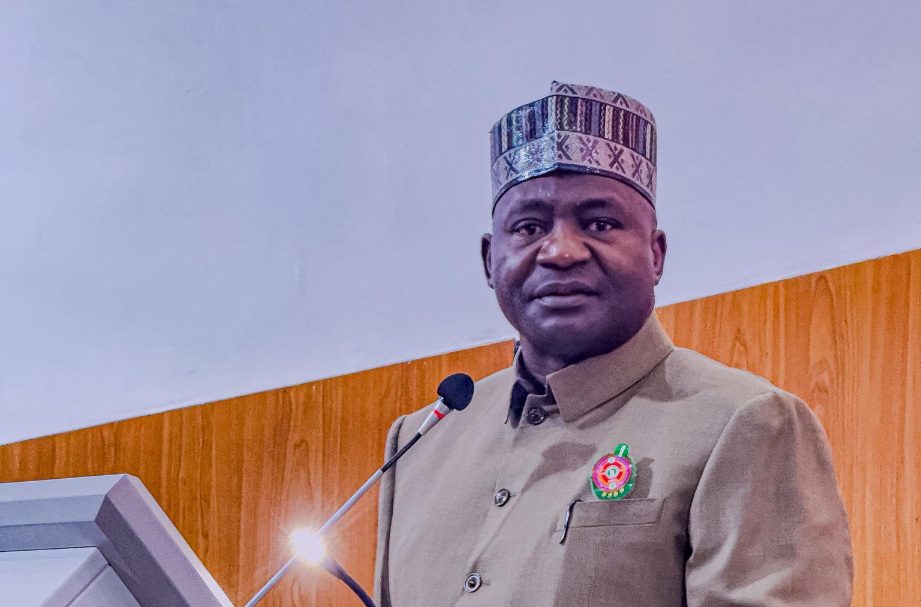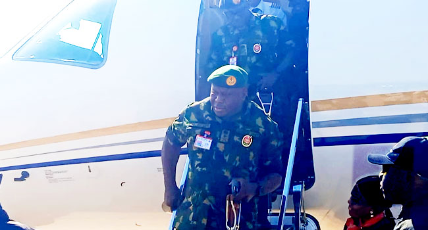
The Nigerian government has reiterated its refusal to pay ransom to kidnappers or terrorist groups, with Defence Minister General Christopher Musa stressing that negotiating with criminals only fuels insecurity.
Speaking in an interview with BBC Hausa, Musa outlined the government’s approach to tackling kidnappings: intelligence-driven operations, rapid military response, and preventive measures that prioritize public safety over ransom payouts.
“Paying ransom encourages crime. Once criminals know that money is guaranteed, more people will be drawn into these networks,” he said. “The government never makes such payments. Where ransom is paid, it is by private individuals acting independently.”
The minister explained that security forces respond immediately to abduction incidents, often forcing perpetrators to abandon their victims once troops arrive. “In many cases, kidnappers flee into the bush, leaving their victims behind,” he said, highlighting the effectiveness of coordinated, intelligence-led interventions.
Musa also acknowledged the challenges posed by Nigeria’s vast geography, which allows criminal groups to relocate when operations intensify in one area. He emphasized the importance of strengthening border security, including constructing physical barriers and enforcing proper documentation for cross-border movements.
“These measures are essential to prevent terrorists and bandits from moving freely, smuggling weapons, and launching attacks,” Musa said.
By linking military response, intelligence operations, and border control, the minister’s statements frame Nigeria’s anti-kidnapping strategy as a comprehensive, long-term effort to dismantle criminal networks rather than offering temporary solutions through ransom.
If you like, I can also produce a punchy, reader-friendly version for social media or news highlights that emphasizes “FG will not negotiate with criminals” while keeping the security angle sharp and accessible.
Defence Minister Reaffirms FG’s Hardline Stance Against Kidnappers, Bandits