Nigeria has been removed from the European Union’s list of high-risk third countries for Anti-Money Laundering and Countering the Financing of Terrorism (AML/CFT), marking a major milestone in the country’s ongoing financial and economic reforms.
The decision, announced this week by the European Commission through an amendment to Delegated Regulation (EU) 2016/1675, follows Nigeria’s earlier removal from the Financial Action Task Force (FATF) list of jurisdictions under increased monitoring in October 2025, after the successful completion of its FATF Action Plan.
Welcoming the development, the Federal Government described it as a strong endorsement of Nigeria’s reform trajectory and renewed commitment to global financial transparency.
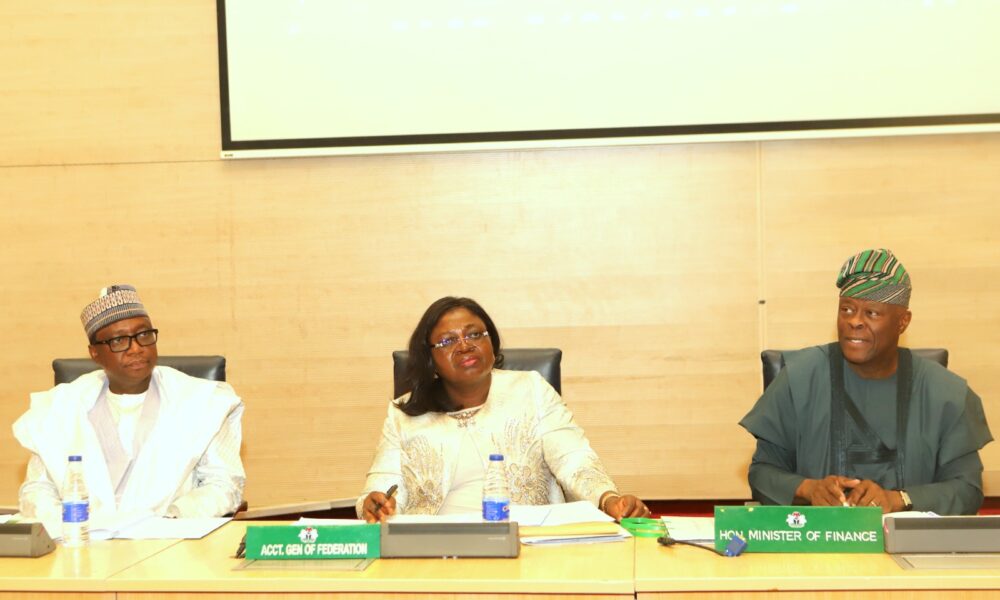
According to the Minister of Finance and Coordinating Minister of the Economy, Mr. Wale Edun, the achievement reflects the decisive leadership and political will of President Bola Ahmed Tinubu, under whose administration AML/CFT reforms were elevated to a core pillar of economic governance and financial system stability.
Edun said the President’s leadership ensured effective inter-agency coordination, sustained engagement with international partners, and the full implementation of key legal, regulatory, and institutional reforms required to address strategic deficiencies previously identified in Nigeria’s AML/CFT framework.
In its assessment, the European Commission concluded that Nigeria had significantly strengthened the effectiveness of its AML/CFT regime and satisfactorily addressed the technical and strategic shortcomings highlighted by the FATF. Based on this progress, Nigeria was removed from the EU’s high-risk list alongside other jurisdictions that demonstrated comparable reforms.
The development is expected to deliver tangible economic benefits, including reduced enhanced due diligence requirements for Nigerian individuals, businesses, and financial institutions operating with European partners. It is also projected to improve correspondent banking relationships, boost investor confidence, and deepen Nigeria’s integration into the global financial system.
The Minister commended the collective efforts of key stakeholders, including financial sector regulators, law enforcement agencies, the Nigerian Financial Intelligence Unit, supervisory authorities, the judiciary, and private sector operators, whose collaboration and professionalism contributed to the successful reform outcomes.
While celebrating the milestone, Edun reaffirmed Nigeria’s commitment to sustaining and deepening AML/CFT reforms, stressing that the country would continue to work closely with the FATF, the European Union, and other international partners to maintain a resilient, transparent, and globally aligned financial system.
The removal of Nigeria from both the FATF grey list and the EU’s high-risk list sends a strong signal to the international community that the country is firmly on a path of reform, transparency, and economic renewal.
Nigeria Removal from EU AML/CFT High-Risk List, Boosts Global Financial Credibility