Civil society organisations have raised the alarm over what they describe as a silent but deepening crisis in Kogi State: the failure of transportation infrastructure and its devastating impact on citizens’ access to basic services.
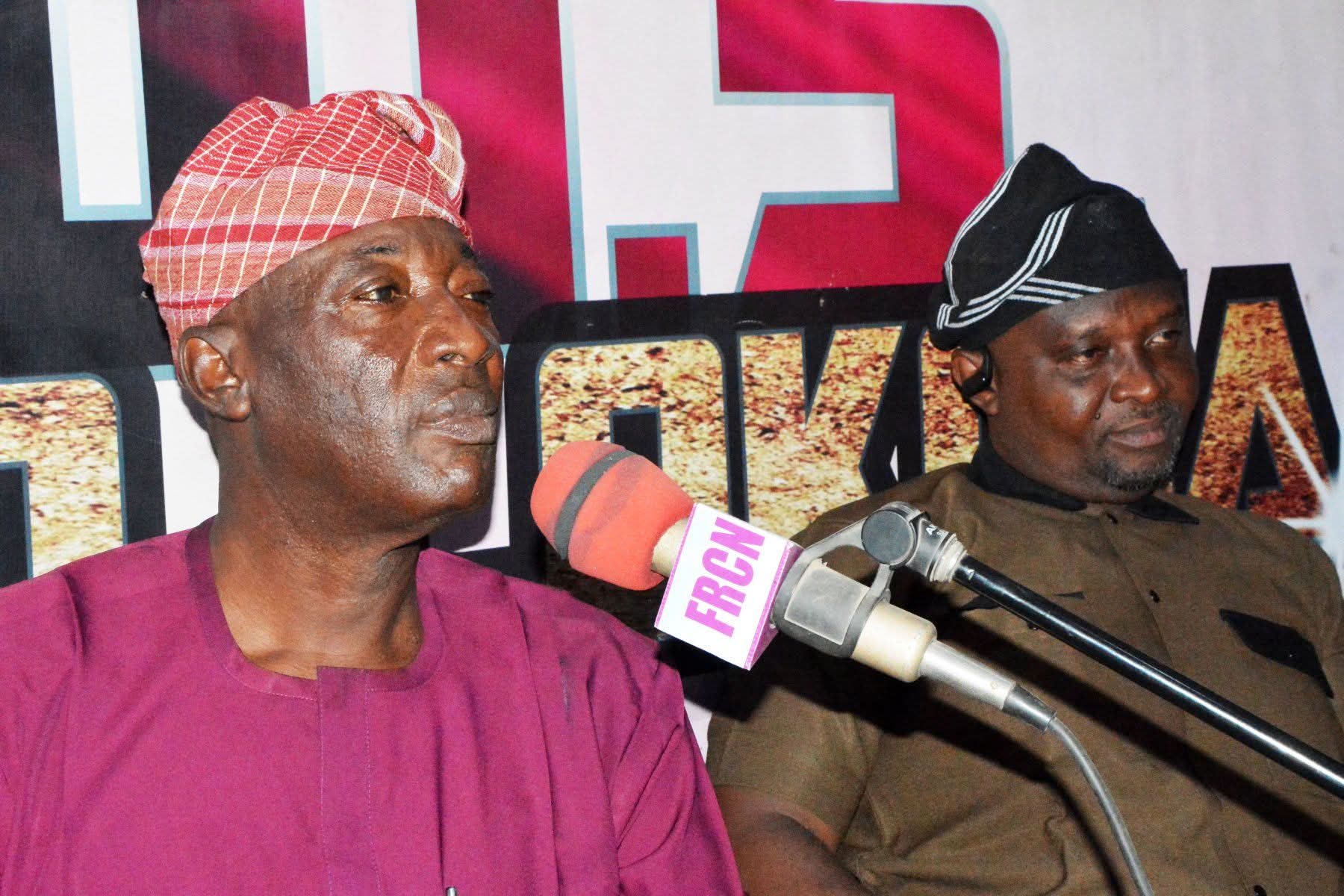
The warning was issued during Episode 18 of the Open Governance Forum (OGF), aired on January 5, 2026, by the Initiative for Grassroots Advancement in Nigeria (INGRA-Nigeria) in partnership with the Conscience for Human Rights and Conflict Resolution (CHRCR), with support from Situation Room/FCDO Nigeria.
At the heart of the discussion was a blunt message: when roads fail, governance fails. Poor transportation networks, the speakers argued, are not just an infrastructure problem but a direct barrier to healthcare, education, security, economic survival, and citizens’ trust in government.
Speaking on the programme, Mr. Hamza Aliyu, Executive Director of INGRA-Nigeria, and Comrade Idris Miliki, Executive Director of CHRCR, described transportation as a basic public good that the state can no longer afford to neglect.
They noted that across many communities in Kogi, dilapidated roads, weak rural connectivity, high transport costs, and a near-absence of maintenance have turned simple daily activities into exhausting ordeals. For many residents, visiting a hospital, sending children to school, accessing markets, or reporting security issues now comes at a heavy financial and physical cost.
The advocates warned that government investments in health, education, agriculture, and social programmes risk becoming ineffective if citizens cannot physically reach these services. According to them, poor transport infrastructure continues to entrench poverty, widen inequality, and isolate rural communities from development.
They also criticised the persistent gap between government promises and lived realities, stressing that while transport policies and development plans are frequently announced, implementation remains weak due to poor funding priorities, lack of transparency, and limited citizen oversight.
The speakers called on the Kogi State Government to move beyond rhetoric and treat transportation infrastructure as an emergency governance priority. They demanded sustained investment in road rehabilitation, expansion of rural transport networks, institutionalised maintenance systems, and genuine citizen involvement in planning, monitoring, and evaluation of projects.
They stressed that fixing transportation infrastructure is not a favour to citizens but a constitutional responsibility—one that directly determines whether government services work or fail.
The programme concluded with a clear call: until Kogi fixes its transport systems, citizens will continue to pay the price with lost opportunities, delayed services, and diminished quality of life.
Fix the Roads, Fix Lives: Civil Society Presses Kogi on Transport Crisis