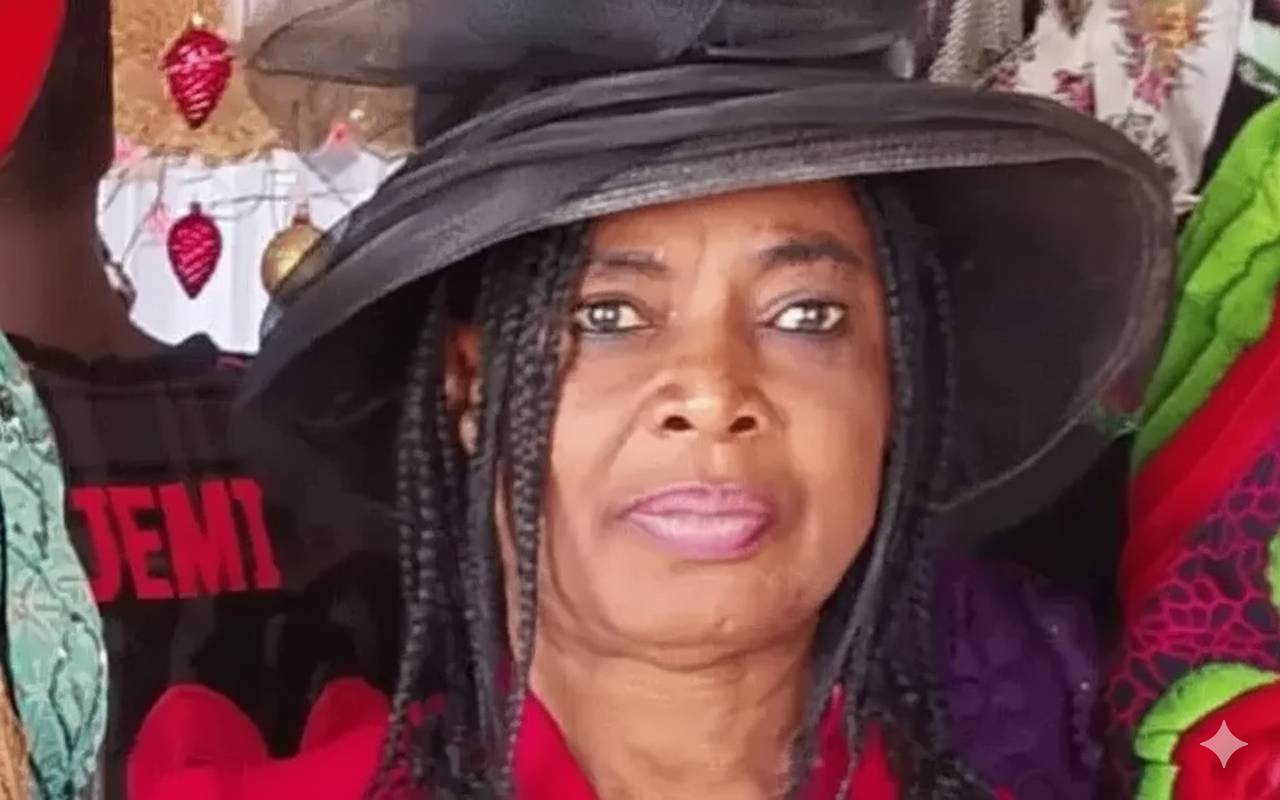
The brutal abduction and killing of Abuja-based lawyer, Nwamaka Chigbo, has once again laid bare the alarming collapse of public safety in Nigeria’s Federal Capital Territory, raising hard questions about the state’s capacity to protect its citizens—even within the seat of power.
Fresh details of Chigbo’s final hours, released by her family, paint a chilling picture of helplessness, delayed rescue, and a security system that failed at every critical point. According to the family, the lawyer was abducted while on a phone call with her sister, Anthonia. The line reportedly remained open long enough for her sister to hear her desperate cries for help before the call abruptly went dead.
“When Anthonia called back, the phone was still connected. She could hear Nwamaka screaming in distress before the line finally went off,” the family said in a statement that underscores the human cost of Nigeria’s worsening kidnapping epidemic.
Repeated attempts to reach Chigbo or establish contact with her abductors initially failed. When communication was eventually restored, it was not reassurance that followed, but raw threats. A male voice, speaking in both English and Hausa, reportedly issued a blunt ultimatum: pay N3 million or watch her die.
Despite immediately alerting the police, the family said they were given assurances that tracking efforts were underway and that the abductors might release her after payment—assurances that ultimately proved hollow.
In a disturbing turn, when family members later called Chigbo’s phone to clarify ransom arrangements, they heard her voice once more—not to negotiate freedom, but to plead for her life.
“I am dying, save me. Please send the money; I am dying,” the lawyer reportedly cried before the phone went silent forever.
Days later, the grim truth surfaced. The family was informed that an unidentified woman in critical condition had been rushed to a specialist hospital in Abuja. Upon arrival, Chigbo’s sister, Maureen, was confronted not with a rescue but a corpse.
Her body, found in the mortuary, bore unmistakable signs of torture—bruises, swollen eyes, and a cracked skull—clear evidence of extreme violence that contradicts any narrative of a failed negotiation or accidental death.
Chigbo was not just another statistic. She was a former treasurer of the Nigerian Bar Association (NBA), Abuja branch, and an active member of both the International Federation of Women Lawyers and the Global Association of Female Lawyers. Her murder has triggered outrage within the legal community and beyond.
Former NBA Abuja chairman, Afam Okeke, described the killing as a damning indictment of security coordination in the FCT, particularly amid the rise of “one-chance” crimes and kidnappings operating brazenly in the capital.
“This is not just a crime; it is a failure of the system,” Okeke said, calling for the full deployment of state resources to track down and prosecute those responsible.
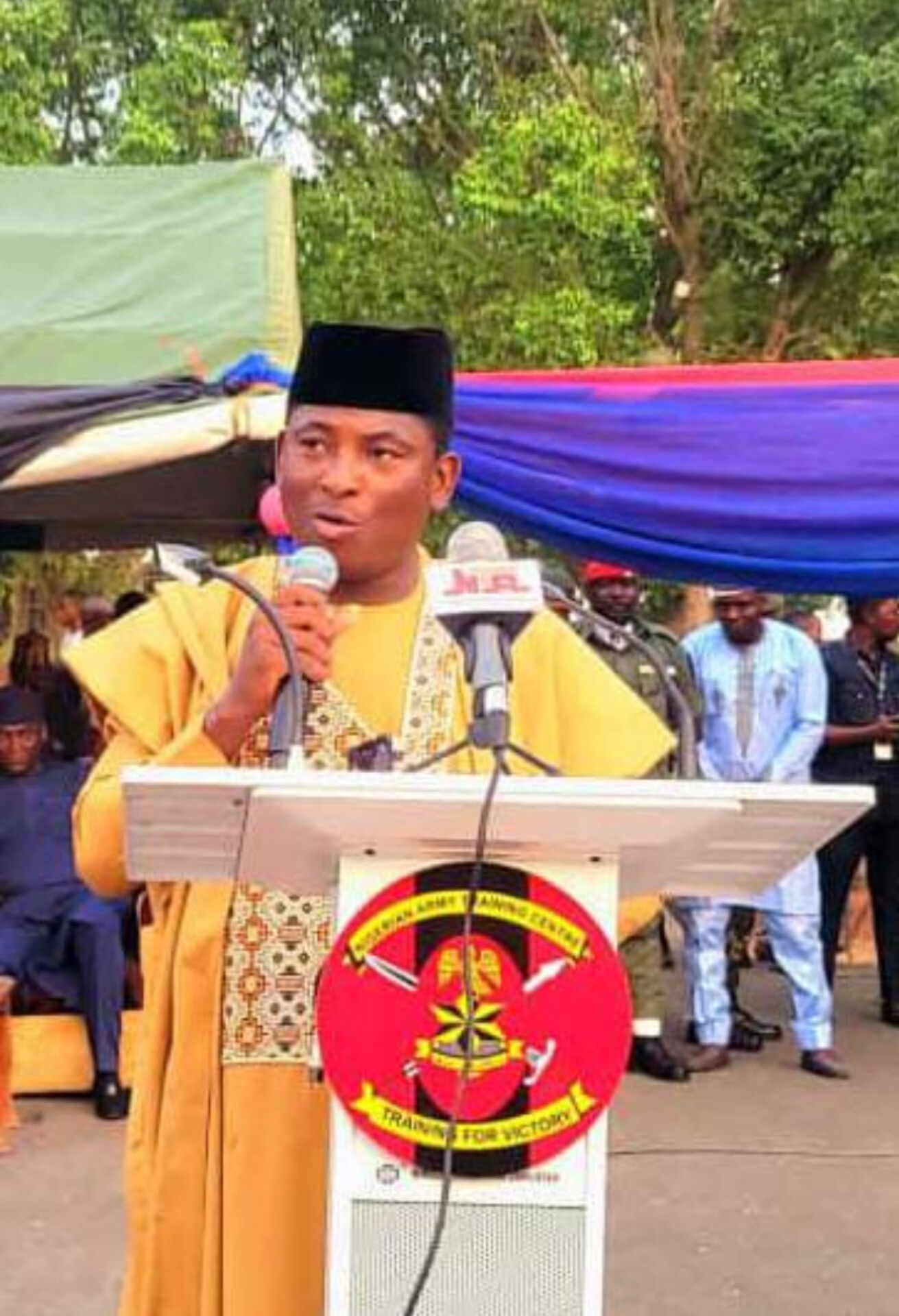
The police have since announced the commencement of investigations. FCT Commissioner of Police, Miller Dantawaye, gave the assurance while receiving an NBA delegation, promising that the perpetrators would be identified and brought to justice.
Yet for many Nigerians, such assurances have become routine—and hollow.
As Abuja increasingly mirrors the insecurity long associated with other parts of the country, Chigbo’s killing stands as a grim reminder that no profession, no status, and no proximity to power guarantees safety. The question now confronting authorities is stark: how many more lives must be lost before decisive action replaces condolences and press statements?
Abuja lawyer murder after N3m ransom exposes security collapse in FCT