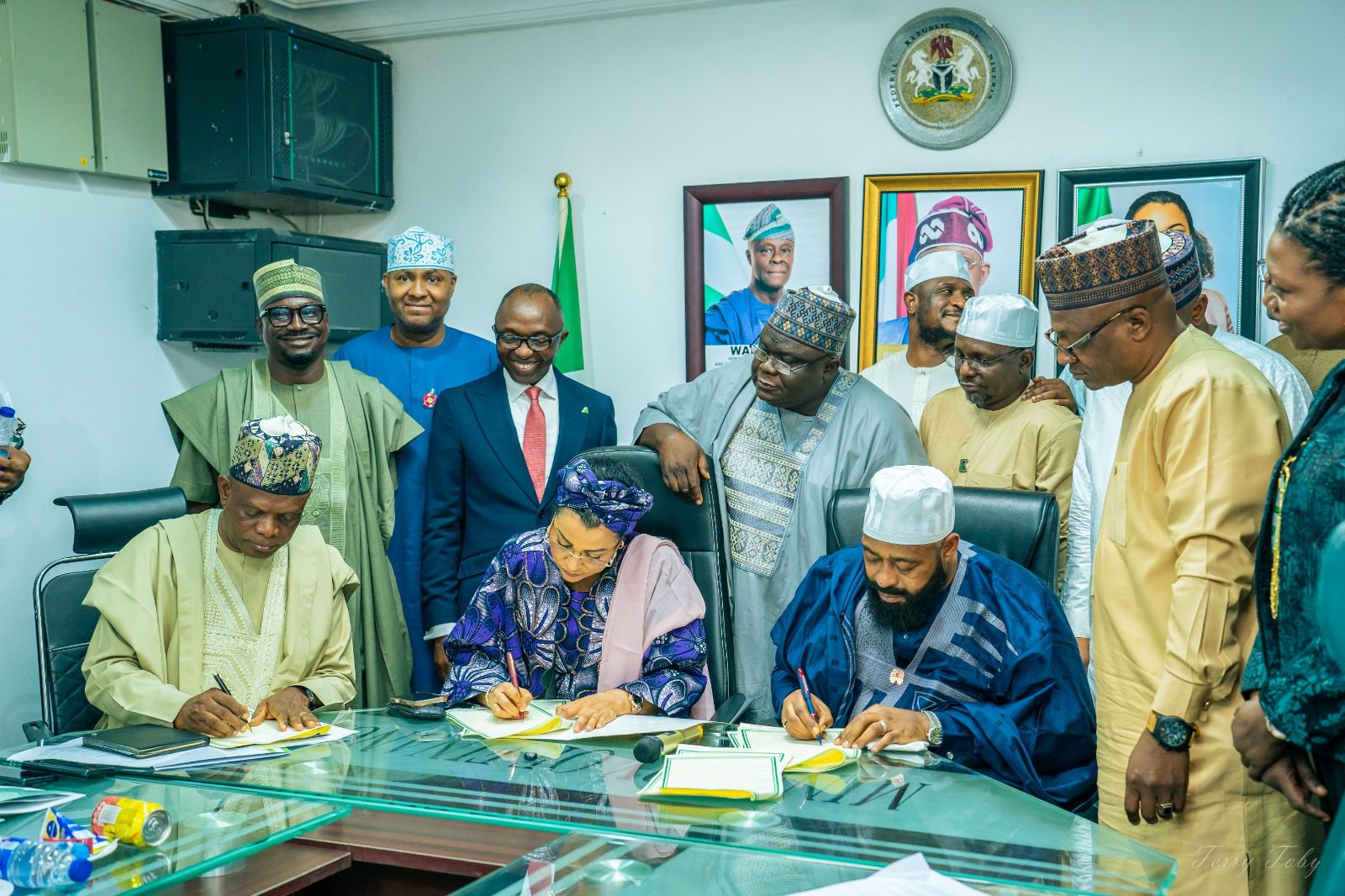
MOFI and the Niger State Government have signed an MoU to pilot the SIPC Programme, advancing President Tinubu’s Renewed Hope Agenda through integrated housing, agriculture and renewable energy.
The MoU was executed at the Federal Ministry of Finance, Abuja, with the Ministry serving as the anchor institution, while MOFI leads strategic asset optimisation and private capital mobilisation.

The initiative represents a decisive intervention to tackle food insecurity, affordable housing deficits, rural instability and unemployment through coordinated federal–state action.
Speaking at the signing ceremony, the Honourable Minister of State for Finance, Dr. Doris Uzoka-Anite, described the agreement as “a moment of delivery rather than ceremony,” stressing that SIPC exemplifies how national development priorities can be translated into measurable outcomes.
“This partnership reflects our belief that development is most effective when housing, agriculture, finance and governance move in concert. By anchoring farmers in secure, well-planned communities, we are not just building homes—we are strengthening livelihoods, food security and long-term prosperity,” she said.
Under the programme, Niger State will host the pilot phase featuring integrated farming and housing estates strategically located near production clusters, storage facilities, processing centres and markets. The model directly confronts persistent challenges including insecure rural settlements, rural-urban migration, post-harvest losses and limited youth participation in agriculture.
The Executive Governor of Niger State, His Excellency Mohammed Umaru Bago, reaffirmed the state’s commitment, citing its vast arable land, abundant water resources and enabling infrastructure. He noted that SIPC would enhance security, strengthen climate resilience and promote orderly rural development while creating sustainable economic opportunities for farming households.
The SIPC Programme is underpinned by an innovative blended-finance structure, leveraging public land and assets to attract private investment. This allows government to focus on policy, coordination and oversight, while harnessing private-sector efficiency and scale. MOFI’s role is central to ensuring transparency, sustainability and balanced risk-sharing among partners.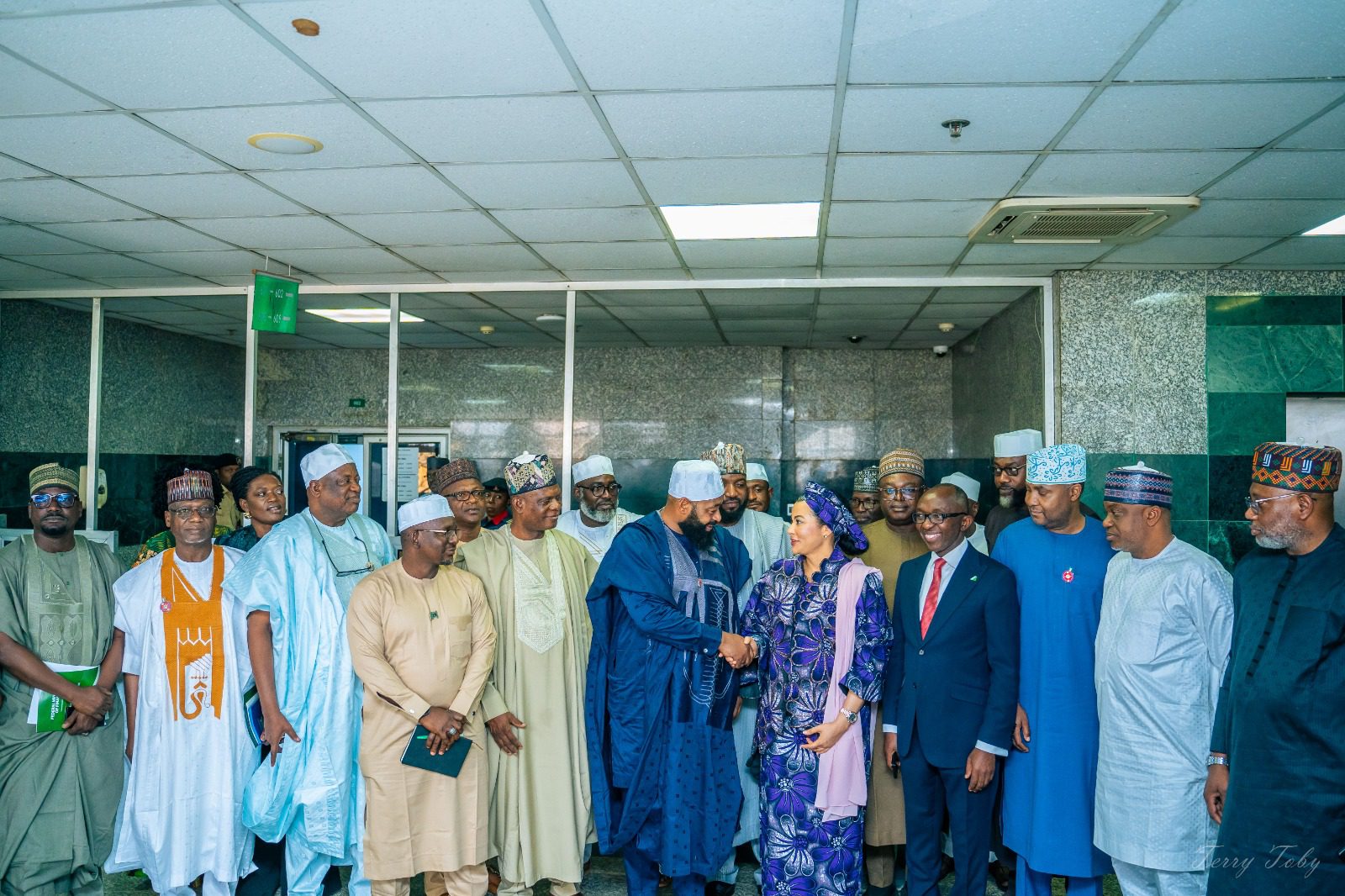
Key participating federal agencies include Family Homes Funds Limited, the Rural Electrification Agency, and Niger Foods Limited, contributing expertise in affordable housing delivery, renewable energy solutions and agricultural value-chain development. Solar-powered infrastructure and community mini-grids will support agro-processing, storage and household energy needs, lowering costs and boosting productivity.
Beyond agriculture, the programme is expected to catalyse wider economic activity across construction, logistics, agro-processing and community services—creating jobs for engineers, artisans, builders and suppliers, while stimulating demand in allied industries such as cement, steel and transportation.
The settlements are designed to be affordable, functional and inclusive, with transparent allocation and governance frameworks to ensure access for farmers and low- to middle-income earners.
The MoU signals a strong invitation to developers, financial institutions, pension funds, agribusiness investors and development partners that Niger State—working in alignment with the Federal Ministry of Finance and MOFI—is open for credible, impact-driven investment. The SIPC framework is intended as a scalable national model for integrated rural and peri-urban development.
The Federal Ministry of Finance reaffirmed its commitment to rapid implementation, ensuring the agreement moves swiftly from signing to execution, with measurable outcomes in housing delivery, food security, employment and inclusive economic growth.