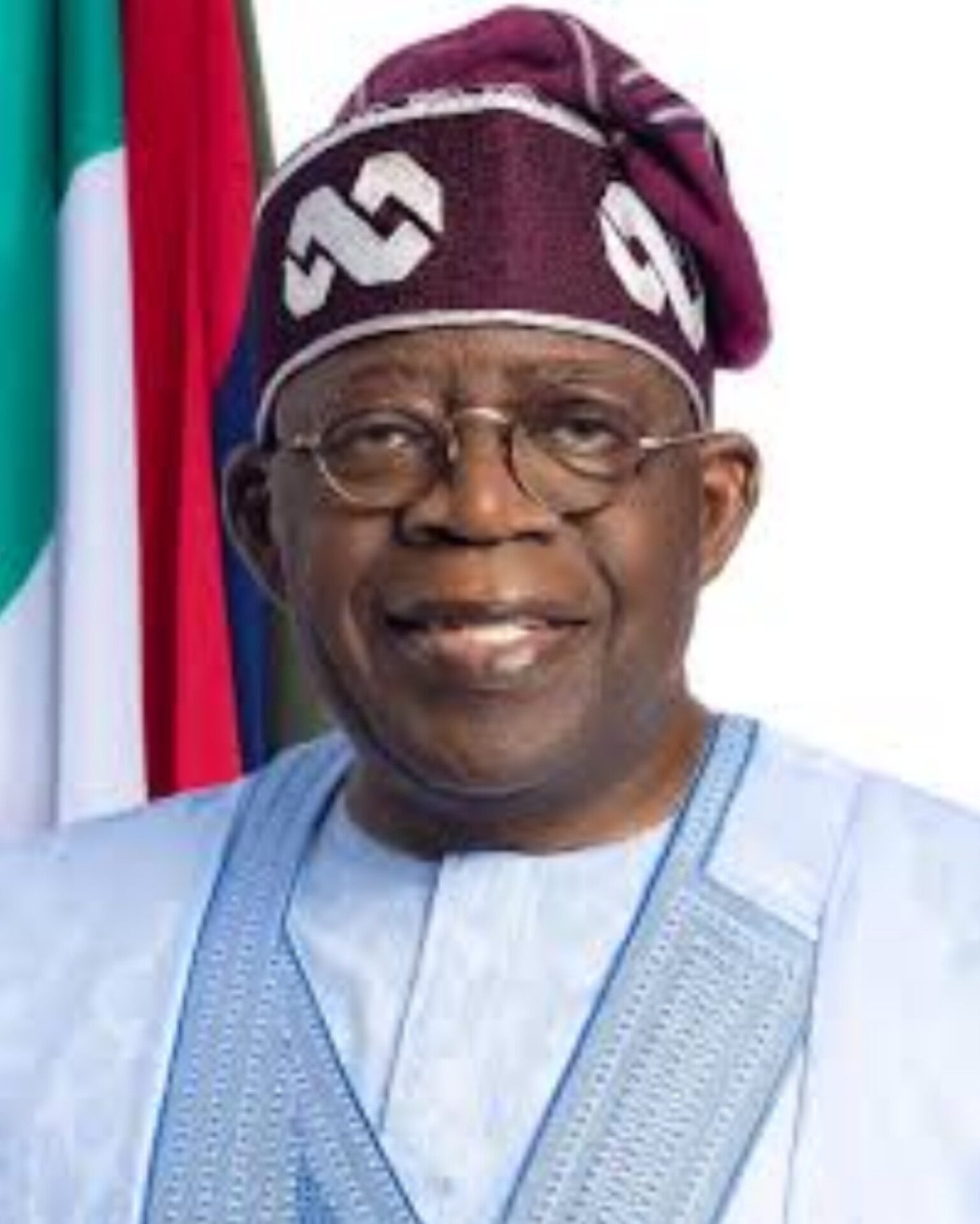
The Coalition of United Political Parties (CUPP) has accused President Bola Ahmed Tinubu of exercising excessive federal influence in the prolonged political crisis in Rivers State, warning that the intervention of the Presidency has undermined the state’s political autonomy and weakened Nigeria’s federal structure.
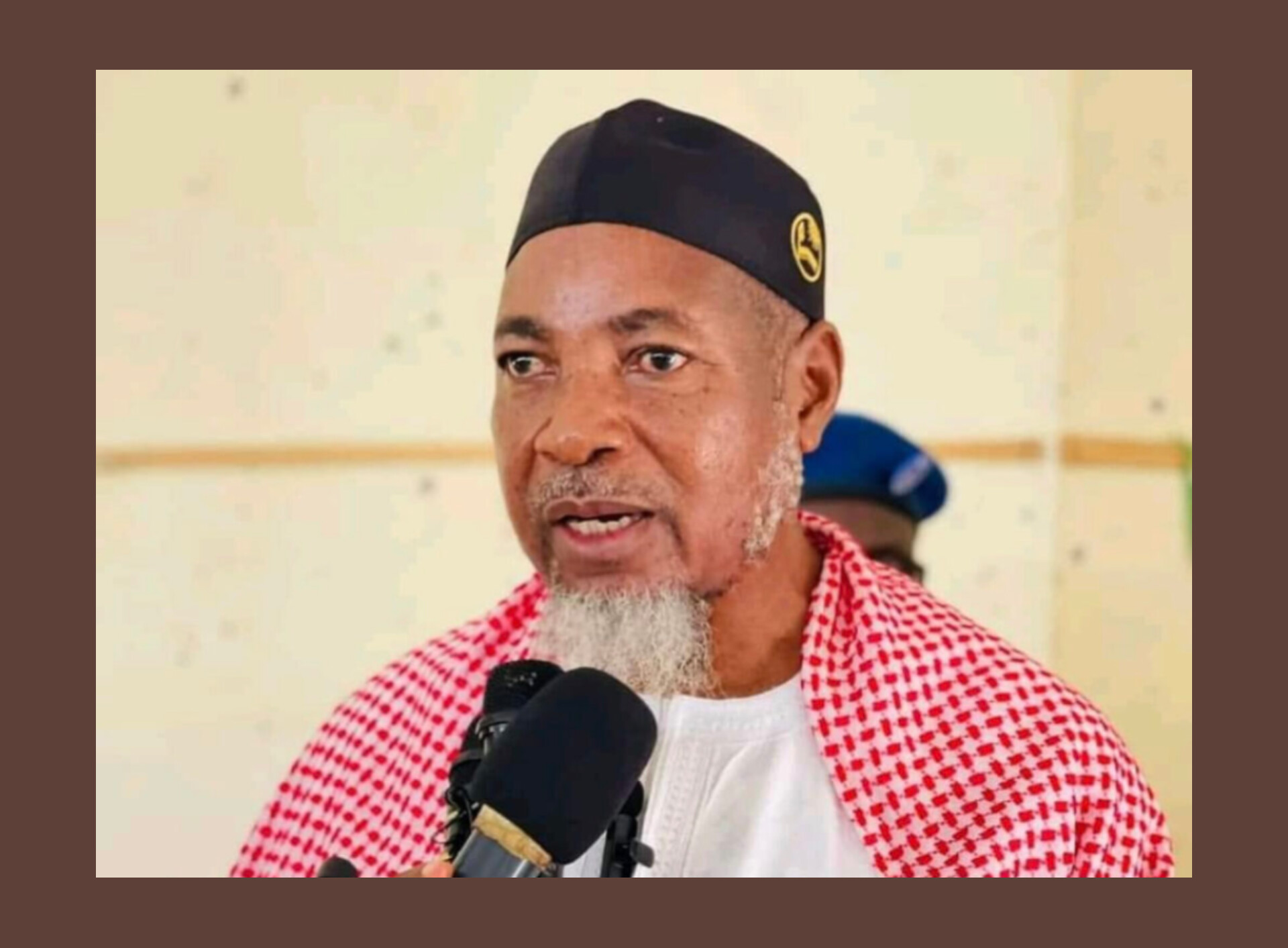
In a statement issued on Friday, the National Secretary of CUPP, High Chief Peter Ameh, alleged that President Tinubu has emerged as the principal beneficiary of the lingering power struggle between the Minister of the Federal Capital Territory (FCT), Chief Nyesom Wike, and Rivers State Governor, Sir Siminalayi Fubara.
According to the opposition coalition, the instability in Rivers State is neither accidental nor merely the result of personal disagreements, but a product of calculated political maneuvering that has effectively placed the state under what it described as a “permanent siege.”
CUPP argued that repeated interventions by the Federal Government—ranging from emergency security measures to Abuja-brokered peace agreements—have resulted in increased federal control over the political affairs of Rivers State.
“President Bola Tinubu is the clear winner in the ongoing contest between Wike and Fubara,” Ameh stated. “Both actors now operate within the sphere of influence of the Presidency, leaving Rivers State’s political destiny subject to federal direction.”
Crisis Beyond Personal Disputes
While the crisis has largely been portrayed as a personal fallout between two former allies, CUPP maintained that the deeper implications go far beyond individual rivalries.
“The narrative that this is merely a clash of egos is misleading,” the coalition said. “What is unfolding in Rivers State is a troubling case of federal overreach that threatens democratic governance and the constitutional balance between the centre and the states.”
CUPP stressed that the crisis has weakened state institutions, reduced the independence of local governance, and blurred the lines between federal authority and state autonomy.
The coalition lamented that while political actors remain locked in a struggle for supremacy, the people of Rivers State continue to bear the consequences of stalled governance.
According to CUPP, governance has taken a back seat as political energy and public resources are increasingly diverted toward managing internal power battles rather than addressing critical development needs.
“Development projects are delayed, legislative activities disrupted, and policy implementation slowed, all to the detriment of ordinary citizens,” the statement noted.
CUPP warned that prolonged political uncertainty risks eroding public confidence in democratic institutions and worsening socio-economic conditions in the state.
The opposition group further expressed concern over what it described as the gradual weakening of democratic institutions in Rivers State, particularly the State House of Assembly and other constitutional bodies.
“When institutions meant to serve the people are manipulated or sidelined in political power plays, democracy itself is placed under threat,” Ameh said.
CUPP argued that the crisis has emboldened political actors to sidestep due process, thereby setting a dangerous precedent that could encourage similar actions in other states.
CUPP cautioned that unchecked federal interference in Rivers State could have far-reaching consequences for Nigeria’s federal system.
“Today it is Rivers State; tomorrow it could be any other state facing political disagreements,” the coalition warned. “Allowing federal dominance over state affairs undermines the principles upon which Nigeria’s democracy is built.”
The group called on civil society organisations, the media, and pro-democracy advocates to closely monitor developments in Rivers State, describing the situation as a test case for Nigeria’s commitment to constitutional governance.
CUPP urged the people of Rivers State to remain vigilant and to demand responsible leadership from all political actors involved.
“The people must insist that governance, development, and public welfare take precedence over personal ambition,” the coalition said.
It also called on political leaders in the state to respect the mandate given to them by the electorate and to resolve their differences within the framework of the law and democratic norms.
While acknowledging the constitutional role of the President in maintaining national stability, CUPP cautioned against excessive centralisation of power.
“True leadership strengthens democratic institutions rather than subordinating them,” the coalition stated, urging President Tinubu to adopt a more restrained and constitutionally grounded approach to resolving the Rivers crisis.
CUPP reaffirmed its commitment to defending democracy, constitutionalism, and the rule of law, vowing to continue speaking out against actions it described as authoritarian or unconstitutional.
“The future of Nigeria’s democracy depends on respect for federalism, the rule of law, and the will of the people,” Ameh said.
As the political crisis in Rivers State persists, CUPP warned that the manner in which it is resolved will have lasting implications not only for the state but for Nigeria’s democratic trajectory as a whole.
CUPP Knocks Tinubu Over Rivers Political Interference