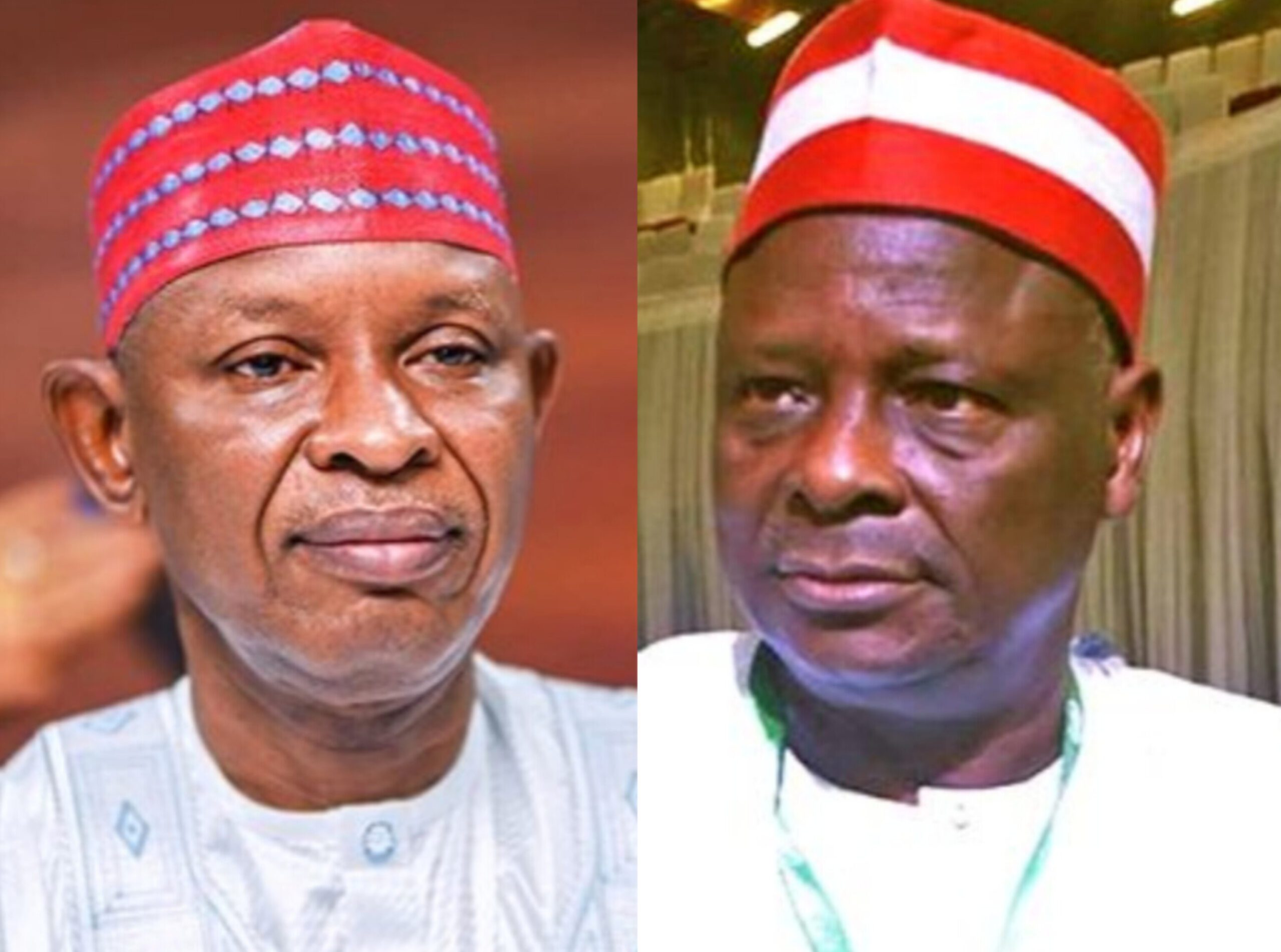
The New Nigeria People’s Party (NNPP) in Kano State is facing a defining internal rupture, as the expulsion of its State Chairman, Hashimu Dungurawa, exposes a widening fault line between loyalty to party leader Senator Rabiu Musa Kwankwaso and allegiance to Governor Abba Kabir Yusuf.
Dungurawa’s sack by executives of Gargari Ward in Dawakin Tofa Local Government Area may appear procedural on the surface, but beneath it lies an intense struggle over who controls the party’s soul—and its political direction—in Kano.
The decision was taken during the ward’s second executive meeting, where 27 executives unanimously endorsed his removal, citing allegations of indiscipline, failure to pay dues, internal sabotage and repeated verbal attacks on the governor.
Presided over by Ward Chairman Shuaibu Hassan and Secretary Yahaya Saidu Dungurawa, the meeting produced a resolution describing the former chairman’s conduct as toxic to party unity and damaging to NNPP’s public image.
But party insiders insisted the expulsion was less about misconduct and more about politics.
A senior NNPP source infucated that Dungurawa’s offence was his unwavering loyalty to Kwankwaso and his vocal opposition to rumours that Governor Yusuf is weighing a defection to the All Progressives Congress (APC).
According to the source, tensions boiled over after Dungurawa publicly accused the governor of betrayal during a political programme on Freedom Radio, where he warned that abandoning NNPP would amount to a rejection of the Kwankwasiyya movement that swept Yusuf into power.
“Any attempt to dump the NNPP in Kano is nothing but a betrayal of the people,” Dungurawa said during the broadcast.
“Why return to a party we defeated just two years ago?”
He went further, accusing the governor of secretly courting APC leaders, including President Bola Ahmed Tinubu, claims the governor has neither confirmed nor denied.
While Governor Yusuf has maintained public silence, party sources say intense consultations are underway behind closed doors.
The governor is reportedly briefing senior officials and elected representatives on his political calculations, amid growing speculation of a strategic realignment with the ruling party.
Some aides, the sources said, have been sent to grassroots structures to manage reactions and prepare party loyalists for a possible shift.
Whether this marks a temporary tactical move or a fundamental break with Kwankwaso—whose influence defines NNPP in Kano—remains unclear.
Interestingly, the same ward executives who expelled Dungurawa insist their action was not an endorsement of disloyalty to the party’s national leader. They reaffirmed allegiance to Senator Kwankwaso while simultaneously pledging support for Governor Yusuf, underscoring the delicate balancing act within the party.
Copies of the expulsion resolution have been forwarded to the NNPP’s Local Government, State and National leadership, and formally served on both Kwankwaso and Governor Yusuf.
The executives said the action was intended to reinforce discipline and send a message that no party official is above the rules.
Yet the episode has left NNPP facing uncomfortable questions:
Can a party built around a single political movement survive divided loyalties at the top?
And can Kano’s NNPP structure hold together if its governor and its founding leader move in different directions?
For now, the expulsion of Hashimu Dungurawa has done more than remove a chairman—it has laid bare a party wrestling with its identity, future alliances and internal power.
Kano NNPP crisis deepens as Kwankwaso, government camps battle for loyalty