By John Akubo
In Nigeria’s legislative politics, influence is rarely accidental. It is built steadily, often quietly, through time, continuity and repeated returns to office. To become a ranking senator is not a gift; it is earned through the confidence of the electorate over multiple election cycles. For Kogi East, a district that has struggled for relevance since the passing of Prince Abubakar Audu, that reality has never been more important than it is today.
For years, Kogi East has occupied the margins of Nigeria’s political equation. Once a strong bloc with a clear voice at both state and federal levels, the district gradually lost ground, losing strategic positions, bargaining power and visibility. At critical moments, Kogi East watched major political and economic decisions unfold without its fingerprints on them.
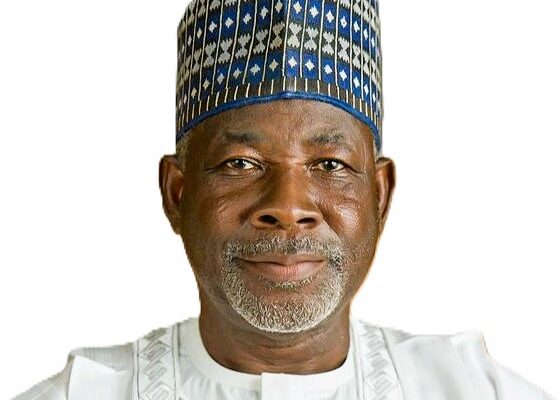
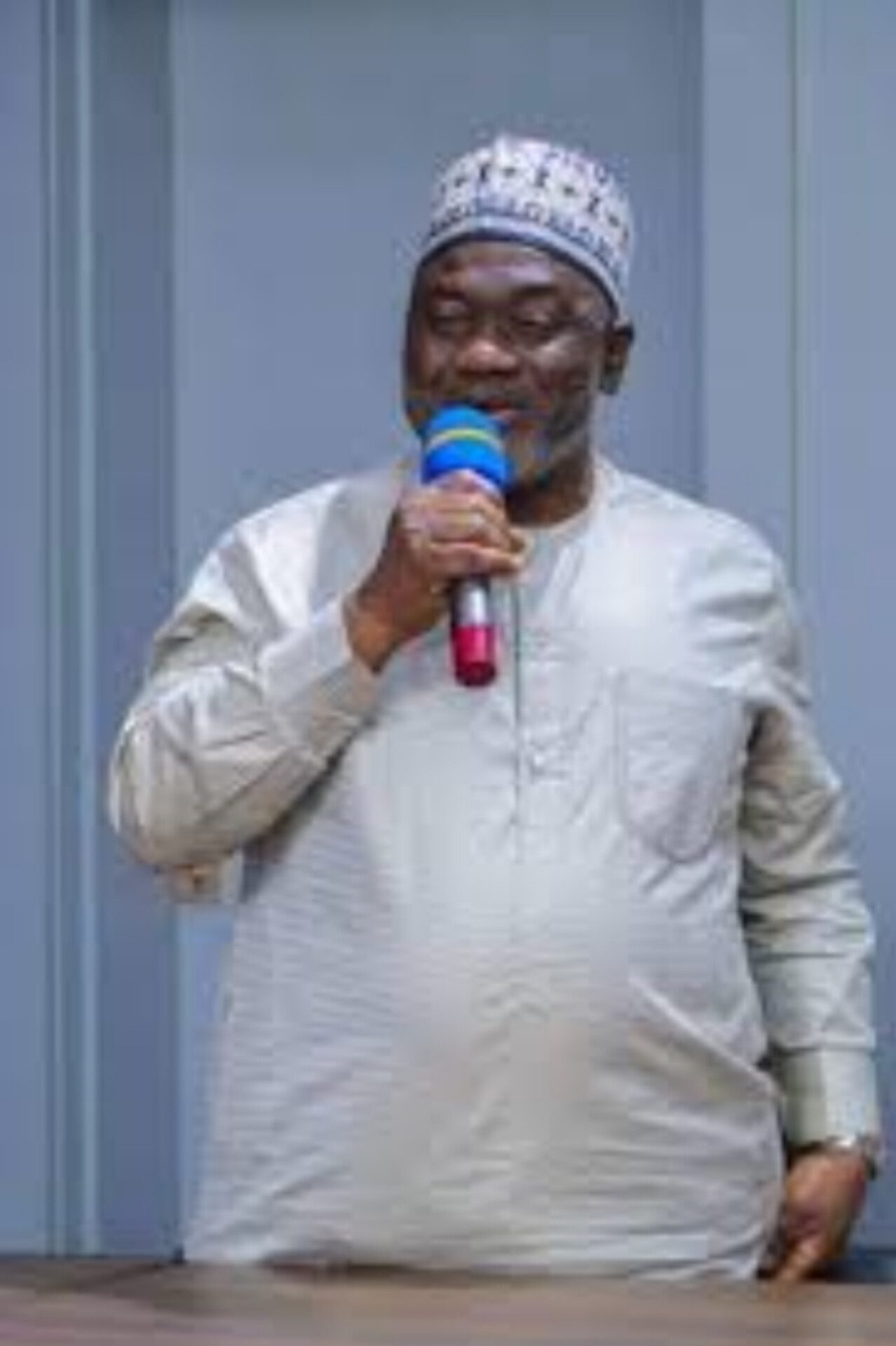
Against that backdrop, Senator Jibrin Isah, popularly known as Echocho, emerged in 2019. His return in 2023 was more than a personal victory; it marked a rare moment of continuity for a district that had often reset itself every four years. That second term elevated Echocho into the class of ranking senators — and with it came something Kogi East has long lacked: growing influence in Abuja.
When Echocho first arrived at the National Assembly, expectations were cautious. The Igala nation, hardened by broken promises, wanted proof, not poetry. Six years on, that proof is visible across communities. From Ankpa to Ibaji, from Dekina to Idah, the senator’s impact is etched not in press statements but in physical projects and institutional footprints.
Unlike many legislators whose relevance peaks during campaigns, Echocho has maintained a steady legislative presence. His sponsorship of bills reflects both local needs and national relevance. These include the National Eye Centre, Ochadamu (Establishment) Bill; the Federal University of Education, Ankpa (Establishment) Bill; the Nigeria Cashew Crop Processing Agency Bill; and the Violence Against Persons (Prohibition) Act (Repeal and Re-enactment) Bill. Others, such as the Import Substitution Strategy Bill 2025, the National Broadcasting Commission (Re-Enactment) Bill, and the Orthopaedic Hospitals Management Board (Amendment) Bill, show a lawmaker thinking beyond constituency politics.
Beyond bills, Echocho’s motions have addressed urgent realities on the ground — from calls for rehabilitation of roads in Anyigba, Shintaku and Itobe–Ajaokuta, to interventions for displaced communities in Bassa and Olamaboro, and sustained pressure for the completion of abandoned federal projects in the district. These are not abstract parliamentary exercises; they are efforts tied directly to daily life in Kogi East.
Yet, legislation alone does not define representation in Nigeria. The real test lies in what comes home. On this score, Echocho’s record is extensive. Health centres, schools, skill acquisition centres, rice mills, cassava and cashew processing factories, police command offices, transformers and solar streetlights now dot the landscape of Kogi East. In Dekina, Ankpa, Ibaji, Omala and beyond, solar-powered boreholes have eased a basic but critical burden for rural communities.
Education has received sustained attention, from school rehabilitation projects to the revamp of facilities such as the Prince Abubakar Audu University bakery. In healthcare, more than 30 primary health centres across the district have benefitted from medical equipment and drug supplies facilitated through his office.
Perhaps less visible, but equally significant, is Echocho’s role in job facilitation and empowerment. Through lobbying and advocacy, he has helped secure federal appointments and employment opportunities for Kogi East youths, while empowering farmers with processing facilities that reduce post-harvest losses and improve incomes.
Agriculture, the backbone of the Igala economy, best illustrates the long-term nature of his interventions. Rice mills in Ibaji and Omala, a cassava factory in Ankpa, and a cashew processing hub in Ofu are not just constituency projects; they are economic infrastructure designed to keep value within local communities and reduce dependence on middlemen.
At its core, representation is about positioning a people. Today, Echocho is no longer just another senator; he is a principal figure whose seniority translates into access, networks and leverage. Removing him in 2027 would mean discarding that accumulated capital at a moment when Kogi East is finally regaining its footing.
In Nigeria’s National Assembly, seniority matters. The longer a legislator stays, the deeper the relationships, the stronger the negotiating power, and the greater the returns for constituents. Starting afresh with a new senator would mean resetting the clock — a luxury Kogi East can scarcely afford.
As 2027 approaches, the choice before the district should rise above sentiment and factional loyalty. The question is not whether Echocho is perfect — no leader is — but whether continuity offers a better path than disruption. On balance, his record in infrastructure, agriculture, education, healthcare and lawmaking presents a compelling case.
Kogi East stands at a critical junction. The gains of the last six years are real, but they require consolidation. In retaining Senator Jibrin Isah Echocho, the district is not merely endorsing an individual; it is safeguarding momentum, influence and a hard-earned place in Nigeria’s political conversation.
For Kogi East, continuity is no longer optional. It is imperative.