By Ahmed Rufa’i, Dutse
In a strategic push to take policy beyond government offices and into communities, the National Population Commission (NPC) in Jigawa State, with support from the Lafiya Programme, has commenced the translation of the state’s five-year Medium-Term Demographic Dividend Roadmap into Hausa.
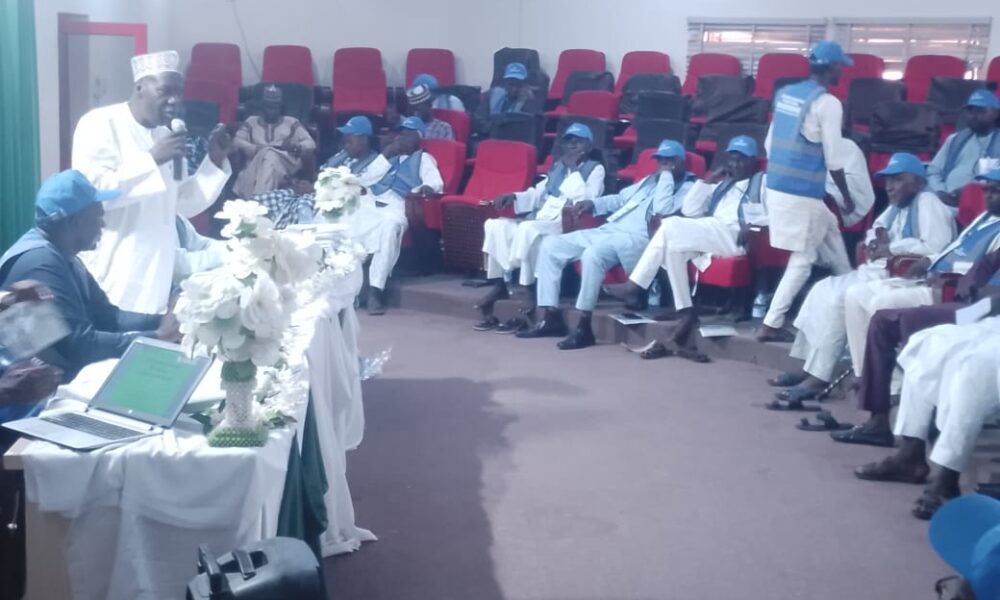
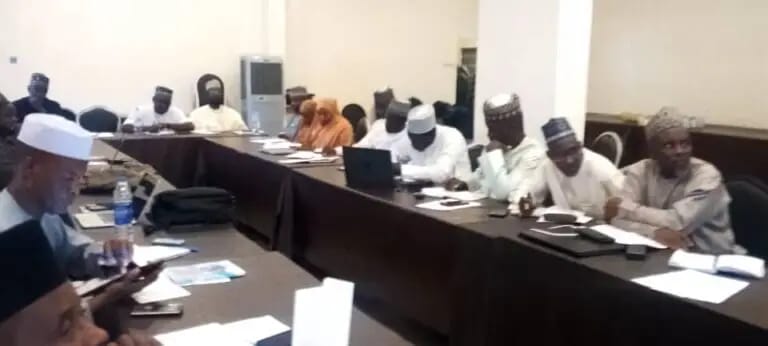
The initiative was launched at a one-day validation workshop in Dutse, where government officials, development partners and sector experts reviewed and adapted the roadmap’s key messages to ensure they are clear, culturally relevant and easily understood by the general public.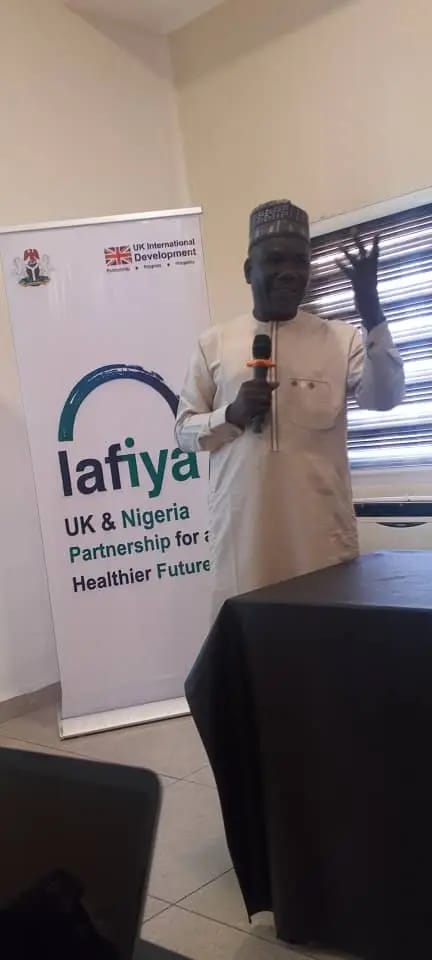
Opening the session, the Director of the NPC Jigawa State Office, Hajiya Hannatu Musa Maaji, described the demographic dividend as a once-in-a-generation opportunity for Jigawa to accelerate development—if matched with the right policies and investments.
“Our youthful population can be a strength rather than a burden, but only if we invest deliberately in health, education, skills and employment,” Maaji said. “Translating this roadmap into Hausa will deepen understanding, strengthen ownership and help communities see their role in shaping Jigawa’s future.”
She explained that effective communication in local languages is critical to advocacy and implementation, stressing that policies cannot succeed unless the people understand and believe in them. She reaffirmed NPC’s commitment to providing credible population data to guide planning and sustainable development.
Presenting the roadmap’s core messages, Dr. Musa Zakirai, a consultant with the UK-supported Lafiya Programme, warned that Jigawa risks missing the demographic dividend unless urgent gaps in education and health are addressed.
He disclosed that primary school net attendance in the state remains at 53 per cent, with a stark gender gap—63 per cent for boys compared to 43 per cent for girls. Transition rates, he added, are equally worrying, with only 73 per cent of pupils moving from primary to junior secondary school and just 58 per cent reaching senior secondary level.
Dropout rates, estimated at 15 per cent in primary schools and 22 per cent at secondary level, continue to fuel the challenge of out-of-school children, particularly among girls affected by poverty, early marriage and insecurity.
Dr. Zakirai explained that the demographic dividend refers to the economic gains that occur when a large working-age population is healthy, educated and productively engaged. Achieving this, he said, requires sustained investment in education, healthcare and population management.
Focusing on health and wellbeing—the first pillar of the roadmap—he called for expanded sexual and reproductive health services, improved birth spacing, adolescent-friendly care and culturally sensitive sexuality education. He also stressed the need to strengthen maternal, neonatal, child and adolescent healthcare through skilled deliveries, improved immunisation coverage, better postnatal care and enhanced nutrition.
The consultant further urged decisive action against harmful practices such as female genital mutilation and sexual violence, alongside targeted nutrition and food security interventions to reduce stunting and anaemia.
He concluded that community-based programmes, the use of technology and media, civil society engagement, and social protection for vulnerable and marginalised adolescents are critical to unlocking Jigawa State’s full demographic potential.
As the roadmap’s messages move into Hausa, stakeholders expressed optimism that broader understanding and local ownership will translate policy into action—positioning Jigawa to harness its youthful population for inclusive and sustainable growth.