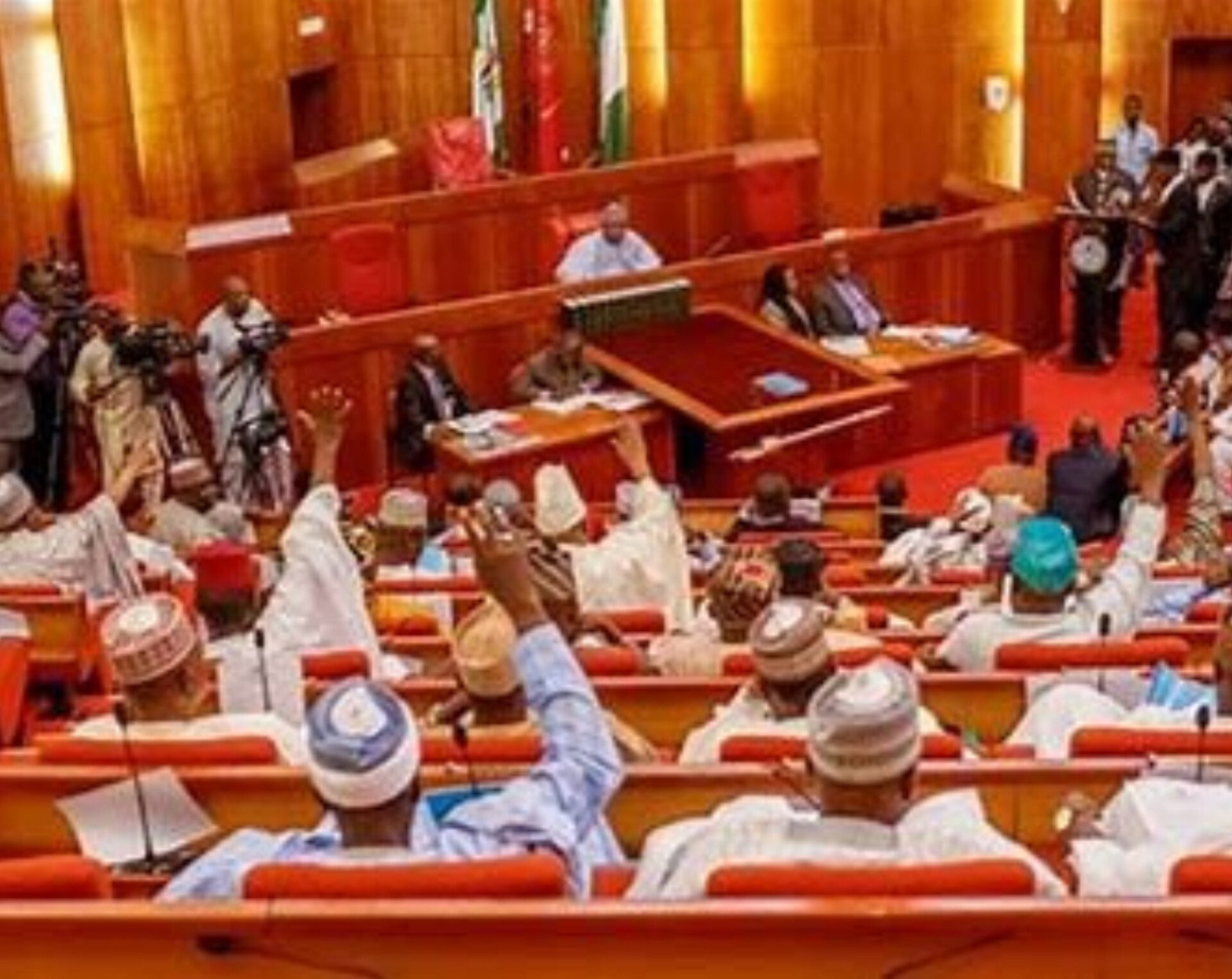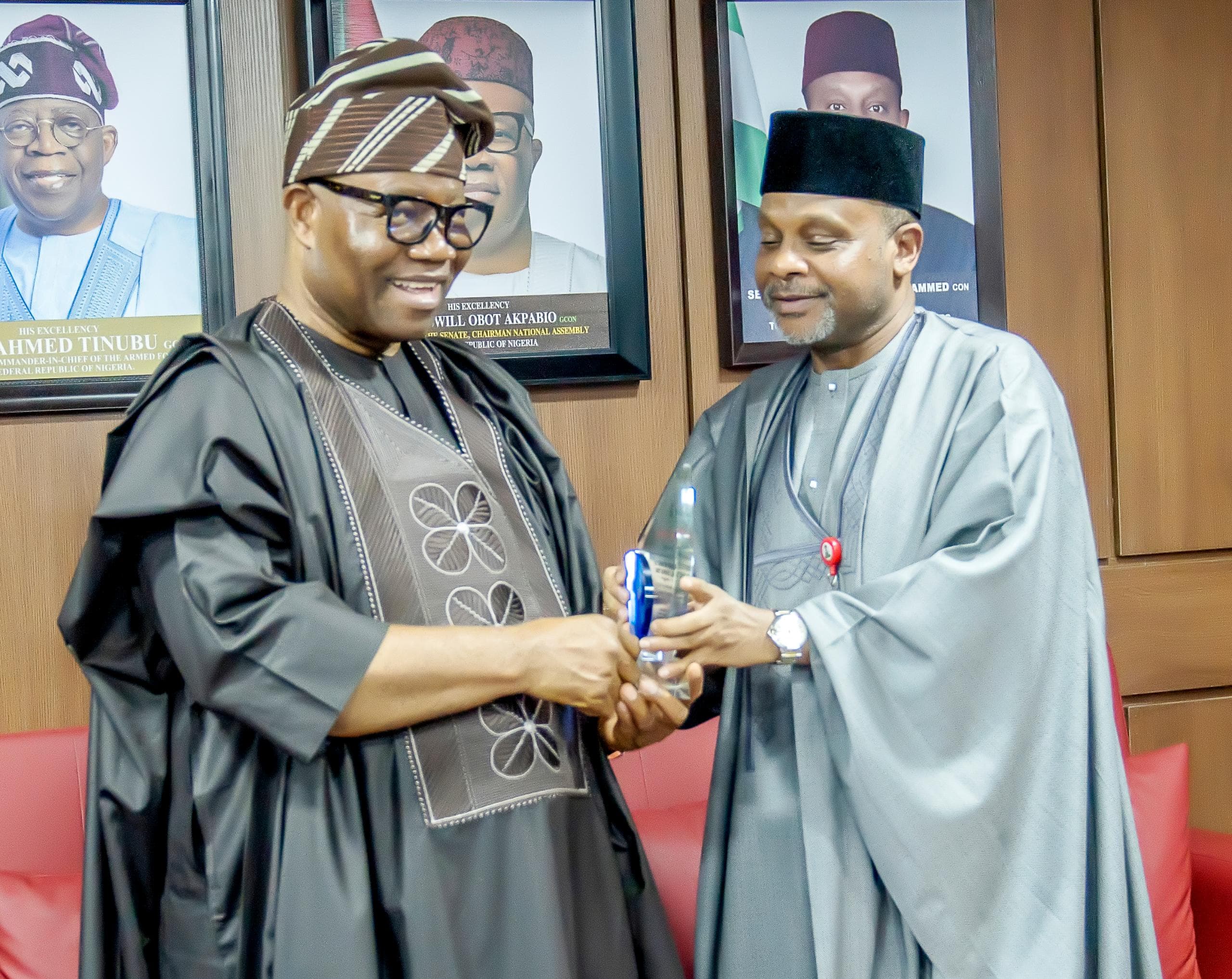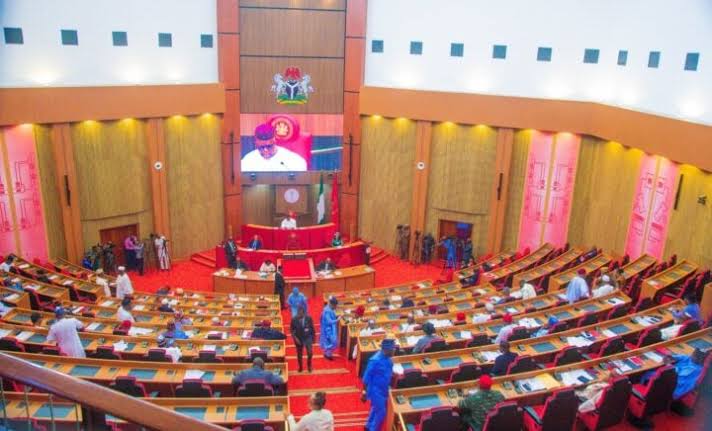
The Senate has strongly criticised the Federal Government’s practice of running multiple budgets within a single fiscal year, describing it as disruptive to economic planning, and has directed the Federal Inland Revenue Service (FIRS) to increase its 2026 revenue target to ₦35 trillion.
The lawmakers’ intervention comes against the backdrop of a massive ₦30 trillion revenue shortfall in the 2025 fiscal year, after the Federal Government realised only ₦10 trillion out of a projected ₦40 trillion.
The Senate’s concerns were raised during an interactive session between its Committee on Finance, chaired by Senator Sani Musa (Niger East), and key economic managers on the 2026–2028 Medium-Term Expenditure Framework (MTEF) and Fiscal Strategy Paper (FSP). The session also reviewed the implementation of the 2024 and 2025 budgets and projections for the 2026 fiscal year.
Providing an overview of fiscal performance, the Minister of Finance and Coordinating Minister of the Economy, Mr Wale Edun, said while the 2024 budget largely met its revenue targets, the 2025 budget suffered a major setback.
“Funding for the capital components of the 2024 budget was fully realised through a total revenue of ₦26 trillion,” Edun said. “However, in 2025, out of a projected ₦40 trillion revenue, only ₦10 trillion has been realised, leaving a shortfall of ₦30 trillion.”
As a result, Edun disclosed that about 70 per cent of capital projects captured in the 2025 budget had to be rolled over into the 2026 fiscal year.
He attributed the revenue gap to structural weaknesses, noting that the government had relied heavily on treasury management and financial engineering to sustain spending. He added that reforms were underway to strengthen revenue collection through automation, digitalisation and process re-engineering, including directives compelling revenue-generating agencies to remit funds directly into the Treasury Single Account (TSA).
Senators at the session expressed strong displeasure over the recurring rollover of budgets, warning that the practice undermines fiscal credibility and project execution.
Senator Danjuma Goje (Gombe Central) said the trend must stop. “This ugly situation of implementing multiple budgets in a single fiscal year must end. It is unacceptable to Nigerians. Things must be normalised starting next year,” he said.
Similarly, Senator Olalere Oyewumi (Osun West) faulted what he described as unrealistic budget proposals. “Budgets are meant to reflect the needs and priorities of the people. When proposals are not realistic, non-implementation becomes inevitable, leading to multiple budgets. The government must present achievable budgets going forward,” he said.
Senators Victor Umeh (Anambra Central) and Ireti Kingibe also queried why borrowing approvals granted by the National Assembly were not utilised to bridge revenue gaps, noting that repeated budget rollovers complicate fiscal management and long-term planning.
Responding, Senator Musa assured that efforts were underway to normalise budget projections and implementation from 2026. He announced the formation of a three-man ad hoc committee to liaise with the Minister of Finance and the Accountant-General of the Federation to ensure that local contractors are paid for projects executed in 2024 before the expiration of the current budget on December 31.
In a move to strengthen revenue mobilisation, the Finance Committee directed FIRS Chairman, Mr Zaccheus Adedeji, to raise the agency’s 2026 revenue target to ₦35 trillion from the earlier projection of ₦31 trillion.
Adedeji disclosed that FIRS generated ₦20.2 trillion in 2024 and ₦25.2 trillion in 2025 but lamented that the gains were often eroded by the practice of multiple budget implementations. “Revenue being realised by FIRS and other agencies, including Customs, is being swallowed and made insufficient by the rollover of budgets,” he said.
Also at the session, the Minister of Budget and Economic Planning, Senator Atiku Bagudu, and the Minister of State for Petroleum Resources, Senator Heineken Lokpobiri, defended the assumptions underpinning the proposed ₦54.4 trillion 2026 budget. These include oil production of 1.84 million barrels per day, an oil price benchmark of $64.85 per barrel, and an exchange rate of ₦1,512 to the dollar.
Edun reiterated that the government’s strategy was not to expand borrowing but to boost revenue through broader mobilisation of savings, private investment and public-private partnerships. “For sustainable growth, especially in an economy where about 90 per cent of activity is driven by the private sector, there must be deliberate efforts to mobilise savings and investments across the population,” he said.
The Senate’s intervention underscores mounting concern over fiscal discipline and revenue sustainability. With a higher revenue target set for FIRS and assurances of budget normalisation from 2026, fiscal authorities now face renewed pressure to align ambitious spending plans with realistic revenue generation and effective implementation.
Senate Slams Multiple Budgets, Raises 2026 Revenue Target to ₦35tr