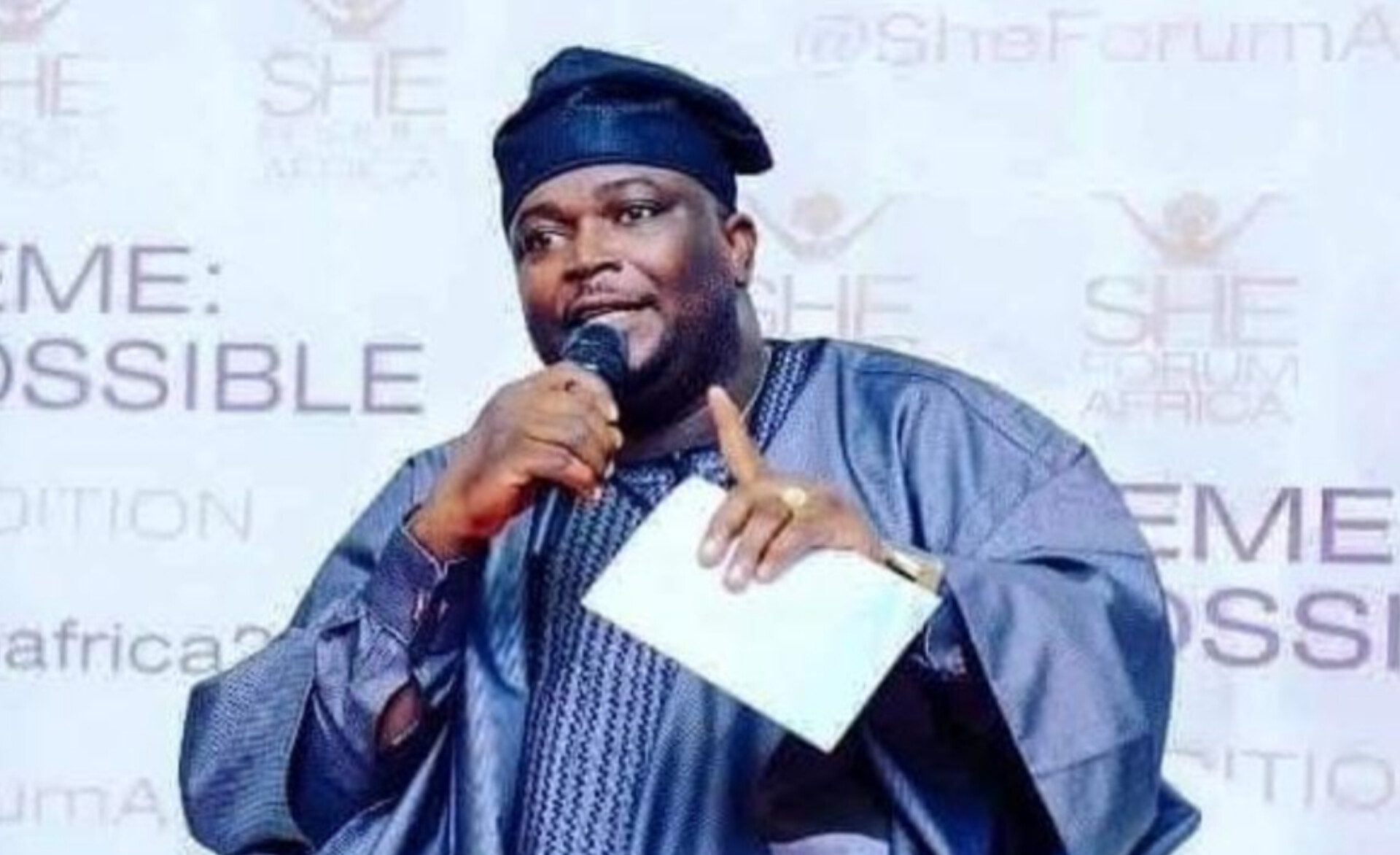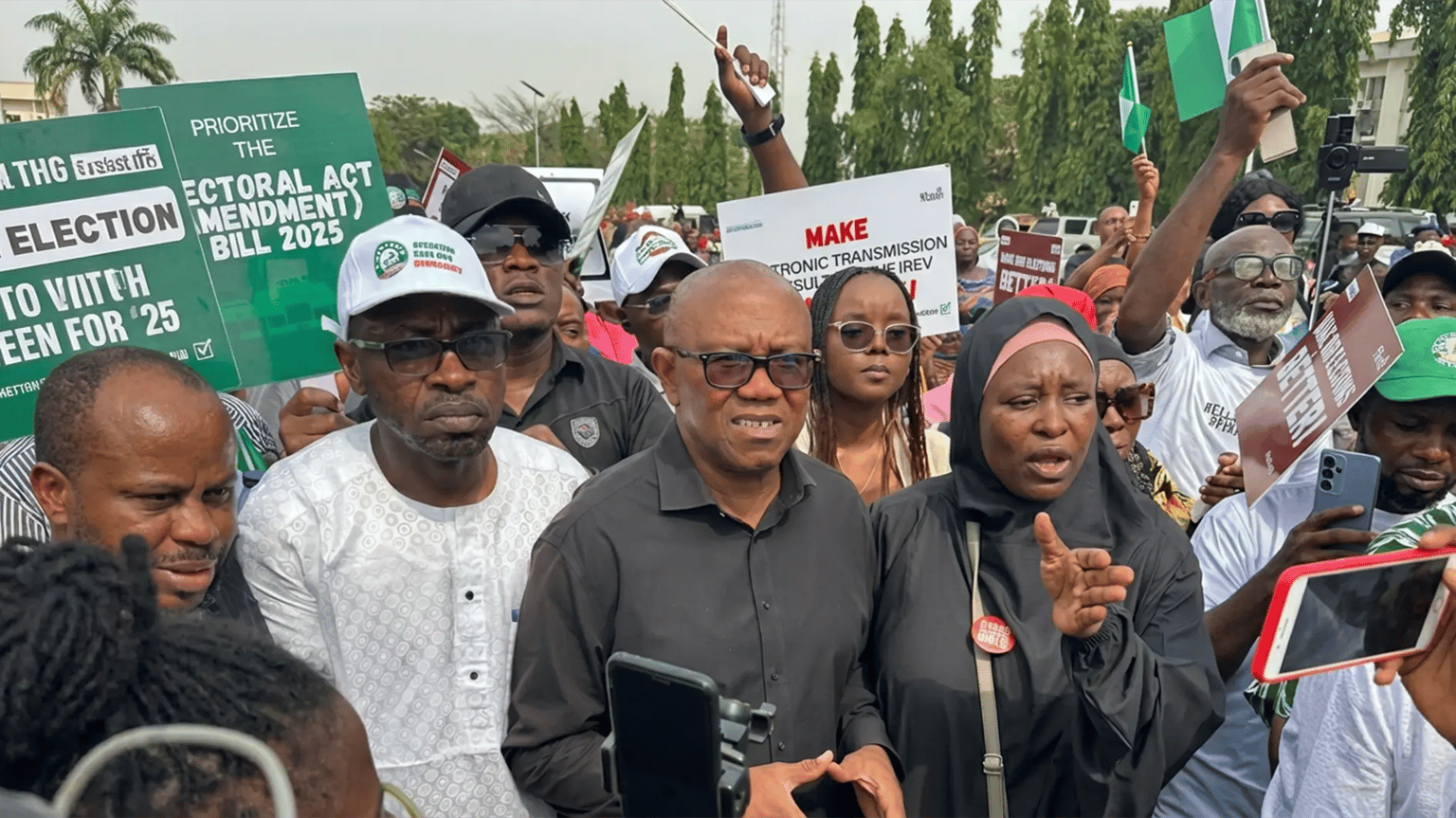
The secretary of the Coalition of United Political Parties (CUPP) Peter Ameh, has reacted strongly to the recent failed coup in the Republic of Benin, warning that such military takeovers are symptomatic of a broader governance crisis across West Africa.
Ameh who is also former National chairman of Inter Party Advisory Council (IPAC) said the attempted coup should not be viewed in isolation. “Military interventions are rarely spontaneous. They are often the consequence of civilian leaders betraying the democratic trust of their people,” he stated. According to him, many elected presidents have turned constitutions and state institutions into tools for clinging to power, rigging elections, and suppressing opposition.
“Leaders like Alpha Condé in Guinea, Alassane Ouattara in Côte d’Ivoire, and the Gnassingbé dynasty in Togo have already eroded public confidence in democracy. When citizens face insecurity, corruption, unemployment, and no hope for change through the ballot box, coups begin to appear as a viable, if regrettable, alternative,” Ameh said.
He also criticised ECOWAS, noting that the regional bloc is quick to condemn military interventions but often silent when elected leaders subvert democratic norms.
“This inconsistency undermines ECOWAS’s credibility and emboldens both autocrats and rebellious officers,” he added.
Ameh highlighted why West and Central Africa remain hotspots for military takeovers, citing extreme poverty, weak democratic institutions, unresolved post-colonial legacies, jihadist insurgencies, and the so-called “contagion effect,” where one coup inspires another.
He warned that the dynamics in 2025 differ from earlier examples such as the Gambia in 2017. Today’s juntas often enjoy street-level support, foreign backing, and coordination among themselves, making direct military intervention far riskier.
“Breaking this cycle requires more than condemning coups. ECOWAS must restore its credibility by punishing constitutional breaches as firmly as military seizures, strengthen democratic institutions, implement youth employment programmes, and build African-led security systems,” Ameh urged.
He concluded by emphasising that Africa is not rejecting democracy—it is rejecting fake, manipulated governance that fails to deliver justice and opportunity.
“Until civilian leadership embraces accountability and fairness, barracks will remain an attractive option for frustrated populations,” Ameh said.
Peter Ameh Condemns Benin Coup, Blames Failed Leadership Across West Africa